WTC Mumbai Responds to U.S. Tariff Refund Decision, Highlights Impact on Indian Exporters
The World Trade Center Mumbai has responded to the recent development in the United States enabling tariff refunds through a structured claims process. The announcement is seen as having implications for global trade and Indian exporters. The development relates to trade flows exceeding USD 160 billion.
The World Trade Center Mumbai has commented on the United States’ move to enable tariff refunds through a structured claims mechanism. The development applies to trade flows of over USD 160 billion and involves approximately 3,30,000 U.S. importers.
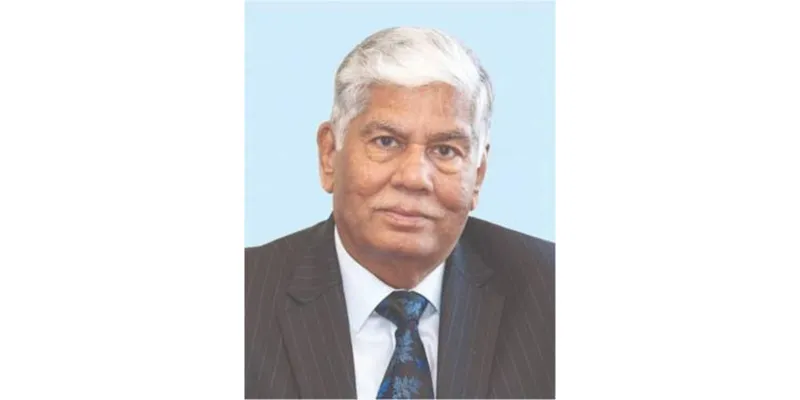
Commenting on the development, Dr. Vijay Kalantri, Chairman, World Trade Center Mumbai and President, All India Association of Industries (AIAI), said, “We hail the decision to refund tariffs, which will provide significant relief to both global and Indian exporters. As exports continue to grow and the United States remains one of India’s largest trading partners, this step will help restore the working capital of MSMEs across the country.”
He further stated, “This brings a much-needed sigh of relief for exporters, trade, and businesses, supporting further advancement of global commerce, while we also hope that the benefits of these refunds are effectively passed on to exporters and not retained solely at the importer level in the U.S. The refund process, covering trade flows of over USD 160 billion and involving approximately 3,30,000 U.S. importers, is expected to ease financial strain across supply chains and improve liquidity within the export ecosystem, sending a strong signal that economic decisions must remain distinct from political considerations.”
Dr. Kalantri added, “The move will particularly benefit MSMEs, which are often impacted by tariff-related cost burdens and delayed recoveries in international trade, while also strengthening confidence in global trade systems and encouraging fair, transparent, and rules-based practices.”
The development is expected to influence trade flows, supply chain liquidity, and exporter engagement within the global trade ecosystem.