Woolmark Launches ‘Return to Real’ Campaign as Research Highlights Consumer Preference for Natural Fibres
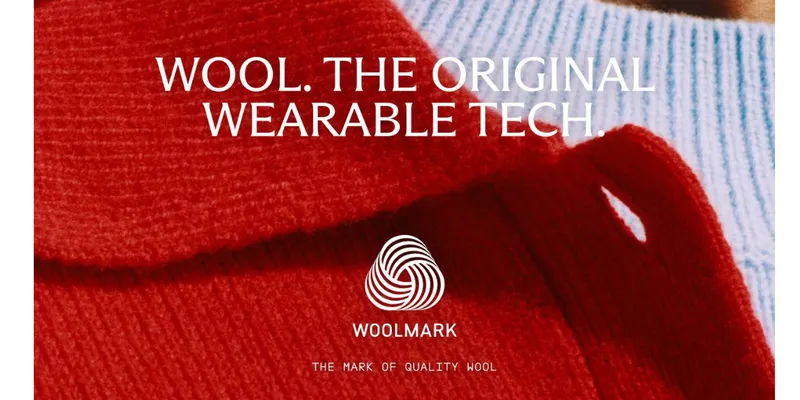
Ipsos research across five markets finds that 82% of consumers would choose natural fibres over synthetic alternatives when price, style and fit are equal, while Woolmark’s new platform highlights Merino wool’s performance and quality credentials.
Woolmark has launched its global ‘Return to Real’ campaign, drawing on consumer research and performance studies to highlight the role of natural fibres in fashion. Research commissioned by Woolmark and conducted by Ipsos across the United States, France, Germany, Italy and China found that an average of 82% of consumers would choose natural fibres over synthetic alternatives when price, style and fit are equal.
Merino wool was preferred over polyester in every market surveyed, with an average preference of 65%. The findings come amid growing consumer attention to garment materials, quality and performance. Worldwide Google search interest in “Merinowool” has more than doubled over the past five years, with momentum continuing over the past 12 months.
“Consumers want to know what a garment is made from, what that means in everyday use and whether the claims can be trusted,” said Woolmark Managing Director Bryan Fry. “That puts fibre, and the evidence behind it, back at the centre of the conversation.”
Research Highlights Merino Wool’s Premium Positioning
In the Ipsos research, Merino wool ranked first for perceived premium quality and high quality in four of the five markets surveyed. The findings also indicate consumers’ willingness to pay more for natural fibres: an average of 67% of respondents across the five markets said they would pay more for clothing made mainly from natural fibres.
Brands are using Merino wool beyond traditional tailoring and knitwear, including in technical sportswear and everyday essentials, with its performance characteristics contributing to its premium positioning.
Independent Verification and Performance Evidence
The research found that an average of 71% of consumers across the five markets consider independent certification or verification of fibre content and quality important.
For more than 60 years, Woolmark has supported research, testing, education and certification related to wool performance. This work is reflected in its new Natural Intelligence report, which examines thermal comfort, moisture and odour management, softness, next-to-skin comfort, durability and performance.
The report includes findings from Woolmark’s four-year Dynamic Breathability collaboration with North Carolina State University. The research found that 100% Merino wool base layers helped create a more stable microclimate next to the skin during stop-start activity.
“Natural fibres are attracting attention, but people also need clear reasons to choose them,” Mr Fry said. “Wool has a long history of performance. Our job is to make that performance easier to understand and easier to trust.”
‘Return to Real’ Connects Natural Fibres with Innovation
The research and performance evidence underpin Woolmark’s new global platform, ‘Return to Real’, which centres on the concept of Natural Intelligence. The platform presents Merino wool as a natural material whose properties have been refined by nature over thousands of years and examined through decades of research.
The campaign revisits Woolmark’s 1960s message, “you can’t fake the real thing”, in the context of artificial intelligence, rapid technological change and growing interest in authenticity.
Launching across key global markets through out-of-home advertising, creators and digital media, the campaign includes lines such as “Not all intelligence is artificial” and “The original wearable tech”. It encourages consumers to pay closer attention to the materials used in their clothing and the evidence supporting their performance.
“Technology moves quickly, but innovation does not always mean starting from scratch,” Mr Fry said. “Sometimes it means looking again at what nature has already worked out. Return to Real invites people to look more closely at the fibre in their clothes and the intelligence that has been there all along.”