Wire Harness, Power Cord, and Cable Manufacturing: What Buyers Should Know
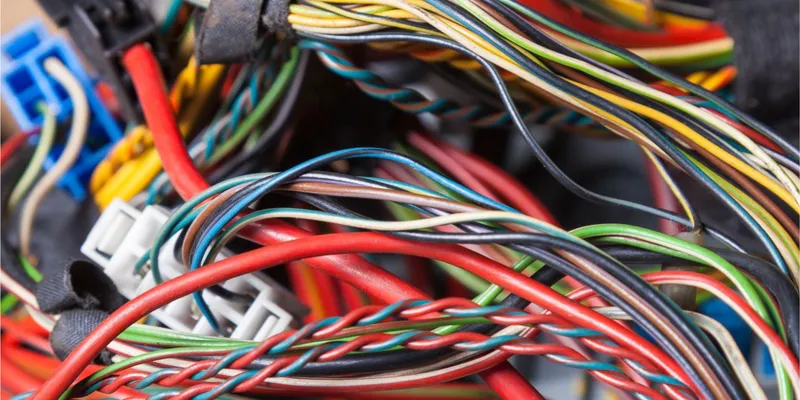
Modern electrical products and infrastructure depend on three closely related supply chains: assemblies that connect components inside equipment, cords that safely deliver mains power to devices, and cables that distribute electricity across buildings and projects. Manufacturing quality in each category is defined by workmanship discipline, test coverage, and conformance to the right standards for the intended voltage, environment, and duty cycle.
Wire harness manufacturing (assembly-first thinking)
The term wire harness manufacturers usually refers to facilities that build ready-to-install wiring assemblies rather than selling bulk wire. In a harness, multiple conductors are cut to length, stripped, terminated (crimped or soldered where required), routed into a defined form, protected with sleeves/tapes/conduits, labeled, and then tested to verify that every circuit matches the design intent. A common benchmark for workmanship expectations in this field is IPC/WHMA-A-620, which describes materials, methods, tests, and acceptance criteria for cable and wire harness assemblies. In practical terms, good harness production emphasizes repeatable process control: correct strip length, correct terminal selection, controlled crimp geometry, and inspections that catch conductor damage, insulation nicks, or improper barrel closure before the harness reaches final test. Testing is where competent harness suppliers differentiate themselves. Continuity tests verify that each conductor is connected to the right endpoint, while isolation/insulation checks confirm there are no unintended shorts between adjacent circuits. Many operations also sample or lot-test mechanical strength using pull testing on crimped terminations to confirm the joint can handle vibration and handling loads during service. For buyers, the most useful questions are not only “What connector do you use?” but also “What is the control plan for crimp quality, tool calibration, and end-of-line electrical testing?”
Power cord manufacturing (safety, approvals, consistency)
The phrase power cord manufacturers generally points to suppliers making cord sets that connect a device to mains electricity, often combining a plug and an equipment-side connector plus flexible cord in between. Many device power cords interface with standardized appliance couplers defined by IEC 60320, which specifies connector types used on equipment power inlets. In day-to-day procurement, this matters because the connector type governs fit, current rating, and compatibility with the equipment inlet. For India-focused products, safety approval alignment often involves the plug standard and the flexible cable standard used in the cord. BIS guidance notes that plugs are certified to IS 1293 and that the power cord used shall be ISI marked as per IS 694 (as referenced in BIS FAQ material). IS 694 itself covers PVC insulated cables/cords with rigid or flexible conductors for rated voltages up to and including 450/750 V for a wide range of types. From a manufacturing perspective, a good power cord program is built around repeatability: stable conductor stranding, consistent insulation thickness, reliable molding/strain relief, and clear traceability so that any field issue can be isolated to a batch. For OEM buyers, documentation and ongoing compliance (not only a first-time sample) are often the real risk reducers.
Cable manufacturing (engineering, materials, and verification)
In everyday language, cable manufacturers produce bulk cables for electrical distribution and interconnection—used in homes, commercial buildings, industries, and infrastructure. A “cable” can be single-core or multi-core, flexible or rigid, shielded or unshielded, and designed for fixed installation or frequent movement, so selection must start from application details rather than a generic size. Standards alignment is a practical starting point because it anchors construction requirements and test expectations. IS 694, for example, specifies requirements for PVC insulated (and often PVC sheathed) cables/cords with copper or aluminium conductors for rated voltages up to and including 450/750 V, which is a common reference point for many building-wire use cases. Buyers should confirm the cable’s voltage grade, conductor type, insulation compound, and temperature capability match the site conditions (conduit heat buildup, UV exposure, moisture, chemicals, or mechanical abrasion). Quality in cable production also depends on manufacturing controls that are invisible at purchase time: conductor resistance consistency, insulation integrity, dimensional accuracy, and routine testing records. That is why reputable procurement processes request batch traceability and test documentation, especially for large projects where failures can be expensive to locate and repair.
Practical sourcing checklist
- Define the application first: fixed wiring vs. moving cable vs. immersion/vibration environment, then lock voltage/current and temperature requirements.
- For harnesses, ask about IPC/WHMA-A-620 alignment, crimp inspection method, pull testing practice, and 100% electrical test coverage.
- For power cords, verify plug/cable compliance expectations (IS 1293 for plugs and IS 694 for cords as referenced by BIS guidance) and confirm the equipment-side connector type matches IEC 60320 compatibility needs.