Why Storage Water Heaters Are Gaining Global Market Momentum
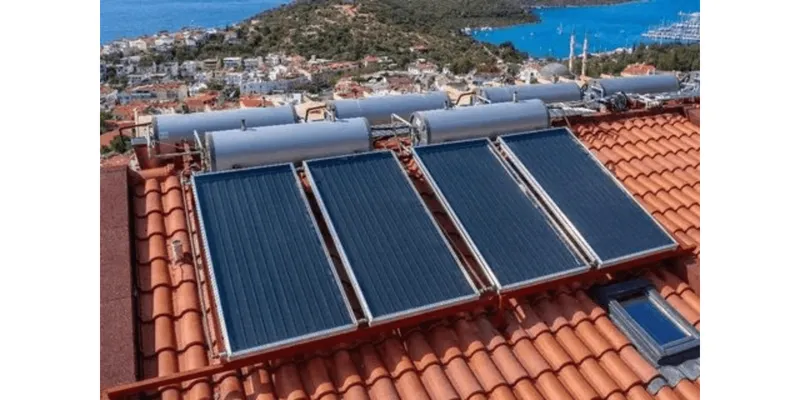
The global water heating landscape is undergoing a notable transformation as storage water heaters gain strong traction across both residential and commercial segments. Over the past decade, user preferences have steadily shifted toward solutions that deliver consistent hot water availability, improved energy efficiency, and dependable long-term performance. As urban lifestyles accelerate and energy consumption patterns evolve, storage-based systems are increasingly being recognised as a reliable answer to modern heating demands.
Industry observations, including insights highlighted by Fairfield Market Research, indicate that storage water heaters are emerging as one of the most widely adopted technologies across developed and emerging markets alike. This momentum is being driven by a combination of comfort-driven lifestyles, technological innovation, energy efficiency regulations, and expanding construction activity worldwide.
Comfort-Centric Living Driving Residential Demand
In fast-paced urban environments, convenience and uninterrupted access to essential utilities have become non-negotiable. Storage water heaters respond effectively to this expectation by maintaining a reserve of hot water that can support simultaneous usage across multiple outlets. Unlike instant systems that may struggle during peak demand or under fluctuating water pressure, storage heaters ensure consistent output even during high-consumption periods.
This reliability makes them particularly suitable for apartments, family homes, and shared residential spaces. As housing footprints become more compact, consumers are increasingly prioritising dependable systems that deliver performance stability without technical disruptions, reinforcing growth in the residential segment of the Storage Water Heater Market.
Energy Efficiency Advancements Strengthening Market Appeal
Technological progress has significantly improved the energy performance of modern storage water heaters. Advanced insulation materials, intelligent temperature regulation, and enhanced heating elements have collectively reduced heat loss and energy wastage. Manufacturers are aligning product development with global sustainability goals, responding to stricter energy efficiency standards and environmentally conscious consumer behaviour.
Across regions such as Europe, North America, and parts of Asia, improved efficiency ratings are translating into lower operating costs over the product lifecycle. This makes storage water heaters an increasingly attractive investment for cost-sensitive households and commercial users seeking predictable long-term savings.
Expanding Commercial Adoption for Performance Reliability
In commercial environments—such as hotels, hospitals, educational institutions, restaurants, and office complexes—hot water reliability is mission-critical. Storage water heaters are gaining preference due to their ability to deliver stable temperature output under continuous and heavy usage conditions.
Large tank capacities, combined with corrosion-resistant materials and smart monitoring features, help extend equipment lifespan while reducing maintenance costs. With global growth in hospitality infrastructure and healthcare facilities, especially in emerging markets, commercial demand for storage water heaters continues to accelerate.
Strong Uptake in Cold Climate Regions
Geographical and climatic factors play a major role in heating technology selection. Storage water heaters are particularly well suited for colder regions where inlet water temperatures are extremely low. Unlike instant heaters, which may struggle to raise water temperatures efficiently in such conditions, storage systems ensure readily available hot water throughout prolonged winters.
Markets across North America, Northern Europe, and parts of East Asia consistently report higher adoption and replacement rates, contributing to sustained growth momentum in these regions.
Technology Integration Reshaping Product Design
Today’s storage water heaters are evolving beyond basic insulated tanks. Digital interfaces, smart thermostats, mobile connectivity, and energy optimisation algorithms are becoming standard features. Hybrid storage systems that combine heat pump technology with conventional heating mechanisms are also gaining attention due to their superior efficiency.
Manufacturers are further enhancing product appeal through the use of eco-friendly refrigerants, advanced anti-corrosion coatings, and space-efficient vertical designs that align with contemporary architectural needs and smart home ecosystems.
Replacement Demand Accelerating Market Growth
A significant portion of market expansion is being driven by replacement demand as households and businesses upgrade outdated systems. Older units often lack energy efficiency, safety features, and modern control mechanisms, prompting consumers to transition to advanced storage heaters.
In regions with aging infrastructure, replacement cycles are particularly strong, supported by increased awareness of safety standards and stricter regulatory frameworks. Quieter operation, faster heating, and enhanced control systems are further motivating users to invest in newer models.
Safety, Compliance, and Reliability Influencing Purchase Decisions
Product safety has become a critical consideration across residential and commercial applications. Modern storage water heaters are equipped with pressure relief valves, dry heating protection, adjustable thermostats, and enhanced corrosion resistance. These features significantly reduce risks related to overheating, leakage, or system failure.
As consumers become more informed and building codes increasingly mandate certified safety compliance, demand for advanced storage-based systems continues to rise steadily.
Construction and Real Estate Growth Creating New Opportunities
Rapid expansion in residential housing, commercial complexes, and tourism-related infrastructure is reinforcing installation demand globally. In emerging economies, urbanisation and the growth of middle-income households are accelerating adoption, with storage water heaters increasingly integrated as standard fixtures in new developments.
Builders and developers favour these systems due to their reliability, ease of installation, and wide technician familiarity. This trend is opening new growth avenues across Asia-Pacific, the Middle East, Latin America, and Africa.
Outlook
The rising adoption of storage water heaters reflects a convergence of lifestyle evolution, technological progress, energy efficiency priorities, and infrastructure expansion. By offering uninterrupted hot water supply, improved safety, and alignment with sustainable building practices, modern storage heaters are well positioned to meet evolving global demand.
As innovation continues and geographic penetration deepens, the Storage Water Heater Market is expected to maintain strong growth momentum across residential and commercial sectors.