Why Choose Polyester Fabric
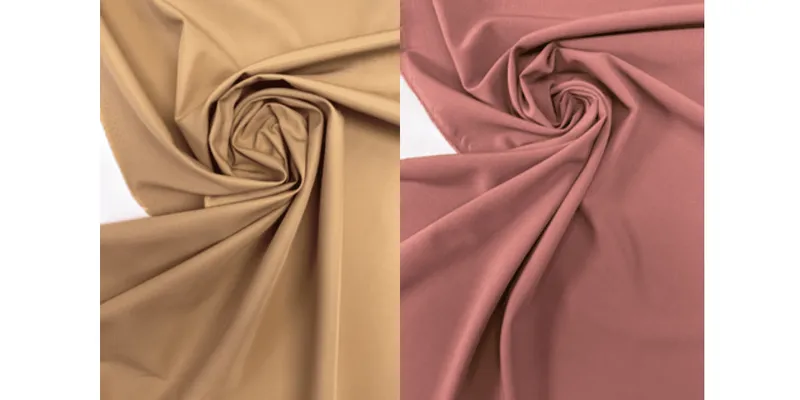
What Is Polyester Fabric?
Before you can understand why polyester fabric is worth choosing, it is important to learn what this material actually is. This introduction gives the reader a clear base and explains why we begin with the fundamentals.
Polyester is a synthetic fabric made from long and stable fibers created through a process where polymers are melted and shaped into fine threads. This structure makes the material strong, steady in form, and predictable in use. It keeps its shape even after many washes and active wear, which is one of the reasons it is used so widely in clothing, home textiles, and technical applications.
Polyester has a natural ability to resist moisture and to dry very fast. This makes it a practical choice for daily wear and for sports garments. It does not hold odors, it does not wrinkle easily, and it does not shrink in the wash. These qualities are important for anyone who values comfort and the long life of their textiles. The color on polyester also stays bright for a long time because the fibers hold dye very well and do not fade quickly in sunlight.
Another important point is the flexibility of polyester technology. Manufacturers can adjust the structure of the fibers to make the fabric softer, denser, more elastic, or more matte. This allows polyester to be used for many different purposes, from light fabrics for blouses to heavy fabrics for technical products.
Understanding what polyester is helps the reader see why this material is so popular and what practical advantages it brings to everyday use.
What are the positive qualities of Polyester Fabric?c
Polyester fabric offers many qualities that make it a reliable choice for designers and makers who need a stable and practical material. One of its main advantages is strength. The fibers stay firm even when the fabric is used often and washed many times. This gives the material a long life and makes it suitable for clothing that needs to keep its shape. It is also resistant to wrinkles and does not shrink, which helps the final garment look clean and well-structured without extra care.
Another important quality is its ability to dry very fast. The fabric does not absorb much water, which makes it comfortable for active wear and for pieces that need to stay light and easy to handle. Polyester also holds color extremely well. The shade stays bright because the fibers keep the dye inside and do not lose it in sunlight or during washing. This gives designers more freedom to work with rich colors and long-lasting tones.
Polyester fabric is also valued for its versatility. It can be blended or processed in different ways to create soft, lightweight textures or more dense and stable constructions. This makes it suitable for many types of garments, including custom dresses made to order. Many small workshops and fabric specialists work with polyester because it allows them to create detailed shapes and smooth finishes.
It is also worth noting that some producers use polyester in a thoughtful and responsible way. They aim to reduce waste and to work with every remaining piece of the material so that the production becomes more efficient. This approach supports sustainability by making sure that the fabric is used to its full potential.
Polyester is also used to create many practical products, such as structured dresses, light summer skirts, sportswear, uniforms, soft jackets, and interior items like cushion covers or decorative textiles. These examples show how flexible the material is and how easily it adapts to different needs.
For readers who want to source polyester fabric, the market has many skilled suppliers who focus on quality and careful handling of materials rather than mass production. What are the negative qualities of Polyester Fabric?c
Polyester fabric has many strengths, but it is also important to understand its limitations. Knowing the weaker sides of the material helps readers make thoughtful decisions when choosing textiles for clothing or interior use. One of the main concerns is breathability. Polyester does not let air pass as freely as natural fibers. This can create a warmer feeling during summer or in situations where the body generates a lot of heat. For people with sensitive skin, this lack of airflow may cause mild discomfort.
Another point to consider is that polyester can create static. The fibers may attract small particles or cling to the skin, which can be annoying in dry climates. Some modern finishes help reduce this effect, but it still remains noticeable in certain garments. Pilling is another common issue. When the fabric rubs against rough surfaces, small balls may appear on the surface. This does not ruin the material, but it can affect the clean look of the garment if it is not cared for properly.
There is also the question of environmental impact. Polyester is made from synthetic components and does not break down quickly in nature. This means that responsible use and thoughtful production matter a lot. Some modern workshops and small producers aim to use every piece of fabric that remains after cutting. They try to reduce waste and give new life to leftover pieces, which helps soften the environmental footprint.
Another challenge comes from heat sensitivity. Polyester can lose its shape when exposed to very high temperatures. This means that care instructions must be followed during ironing or washing. Understanding these qualities does not make polyester a bad choice. Instead, it helps readers see where the fabric performs best and where a more breathable or natural option may be more suitable.
Is Polyester Fabric the Right Choice?
After looking closely at both the strengths and limitations of polyester fabric, it becomes clear that this material can be a very practical choice when used with the right purpose in mind. Its long life, fast drying behavior, and strong color retention make it suitable for clothing that must look neat and stay stable through repeated wear. These qualities also make it useful for custom garments where shape and finish matter a lot.
At the same time, it is important to understand the conditions in which polyester may not perform at its best. It is less breathable than natural fabrics, and it can create static in dry climates. These factors do not make the fabric unsuitable, but they help the reader understand where comfort expectations may differ. Careful handling during ironing and washing is also needed because very high heat can affect the fibers.
For many makers and workshops, polyester fabric remains a dependable and flexible material. It can be produced in many textures and levels of firmness, which allows it to adapt to different types of garments. It is also often chosen by producers who value the responsible use of materials and who try to work with every remaining piece to reduce waste.
Considering all these points, polyester is a good choice for readers who need durability, easy care, and consistent quality. It works especially well for structured clothing, active wear, and custom projects where strength and color stability are important. Understanding its qualities helps each reader decide if this material fits their needs and expectations.