What the Masquerade Trend Reveals About Luxury Textile Demand
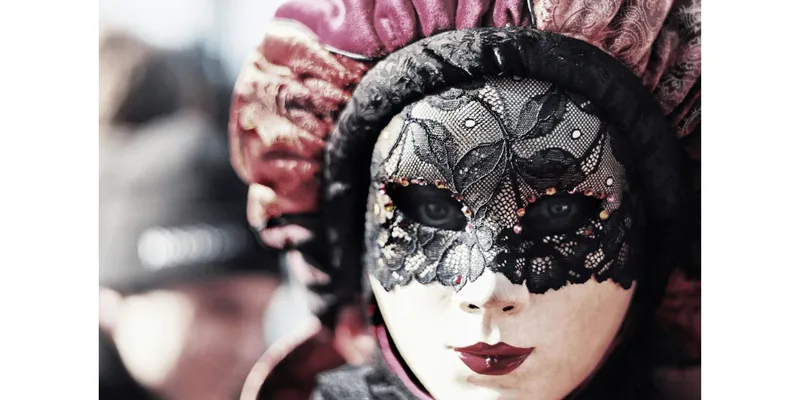
What the Masquerade Trend Reveals About Luxury Textile Demand
Written by: Edrian Blasquino
The masquerade trend has been around for years. This theme, prevalent in many parties and other events, offers attendees a fun and more playful way to express themselves.
Although masquerades are still common, their trend can show a lot about the demand for luxury textiles. Let’s explore more of these revelations in this article.
1. Consumers Are Craving Sensory Depth
One thing that the masquerade trend highlights is that more people are craving sensory depth. Think of how many visuals in the past decade have changed to flat and minimalistic. Many people may feel like there’s a lack of sensory depth in the world around them. As such, this trend shows something bigger than ornate aesthetics.
Masquerade parties invite touch and reward close attention. In these events, it’s not just masks that are making a statement. What people are wearing also gets attention. Fabrics with a presence like velvets, brocades, jacquards, and plush layered weaves provide a sense of warmth.
Since these textiles offer a form of tactile comfort, luxury textiles meet this demand by offering deeper texture stories. Textile brands come out with pile variations and dimensional weaves that communicate emotional value. Options like soft luster and rich weight feel intentional as they invite the hand to linger.
2. Desire for Escapism Elevates Fantasy-Driven Materials
Another reason why the masquerade trend works is that it taps directly into a widespread cultural desire for escapism. The past few years have been marked by uncertainty, and many people are
The fabrics used in masquerade events evoke a world of myth and storytelling. Reaching out for a velvet embroidered with baroque motifs means engaging in a form of emotional escape. In this aspect, the textile becomes a portal to a different, more imaginative persona.
In this environment, luxury textile demand rises sharply because premium materials are more capable of delivering that dreamlike quality. For example, high-end weaves hold depth and detail that mass-produced fabrics can’t mimic. These fabrics intentionally heighten everyday materials, and it’s why consumers crave them.
3. Heritage Craftsmanship Is Becoming a Status Signal
When it comes to the masquerade trend, heritage craftsmanship becomes a modern status symbol. Consumers are increasingly drawn to textiles that showcase skill and visible hours of labor. Elaborate embroidery and hand-applied embellishment show something that’s far more valuable, and that’s time, intention, and lineage.
Luxury buyers nowadays are looking for materials that speak to origin and authenticity. Brocades that echo centuries-old weaving traditions and jacquards that require specialised looms all reflect depth and cultural continuity. While the special designs are technically complex, they also carry the weight of tradition.
So for luxury textiles, craftsmanship emerges as a quiet form of status. Instead of logos or loud branding, more buyers are gravitating towards subtler markers of luxury. They may prefer the density of a weave or the evenness of embroidery, two qualities that are instantly recognizable to those who understand them.
4. High-End Materials Communicate Identity and Confidence
Crafting timeless elegance through masquerade party outfits also conveys identity and confidence. It can be something personal to the wearer, too. Underneath all the bold and theatrical designs, masquerades also highlight what consumers want to say about themselves.
Choosing certain materials means making a deliberate statement about their confidence and their willingness to stand apart from the crowd. In masquerade events, this expressive exaggeration can make simple outfits into declarations of personality.
In the end, another revelation of the masquerade trend about the luxury textile demand is that these high-end textiles serve as powerful storytelling tools. They’re a way for consumers to craft a visual narrative about who they want to be.
5. Limited-Edition Textiles Drive Exclusivity
One of the most revealing aspects of the Masquerade trend is how strongly it aligns with the modern consumer’s desire for exclusivity. Nowadays, it seems like mass production has made almost everything feel replicable. But through masquerade and limited-edition textiles, consumers have a sense of ownership over something that’s truly unique.
Masquerade-inspired materials and fabrics can be produced in small batches. They’re woven on specialty looms or crafted with hand-applied embellishments that become immediate markers of distinction.
Limited edition textiles like these require hours of specialized work. It’s not something that buyers can easily get their hands on. Consumers know about the need for skilled artisans and precise craftsmanship, and that scarcity heightens the perceived value of each piece.
The Bottom Line
The masquerade trend is a clear indication of how many consumers are changing what luxury means nowadays. Those who recognize how special the fabrics and textiles used in this industry know that there is serious craftsmanship and identity that goes into each design.
The masquerade trend is just a surface expression of a larger movement. As consumers seek richness in both their wardrobes and their spaces, the demand for high-end textiles will only grow.
Image source: Pixabay