What Is a Textile Factory? A Complete Guide to Modern Textile Manufacturing
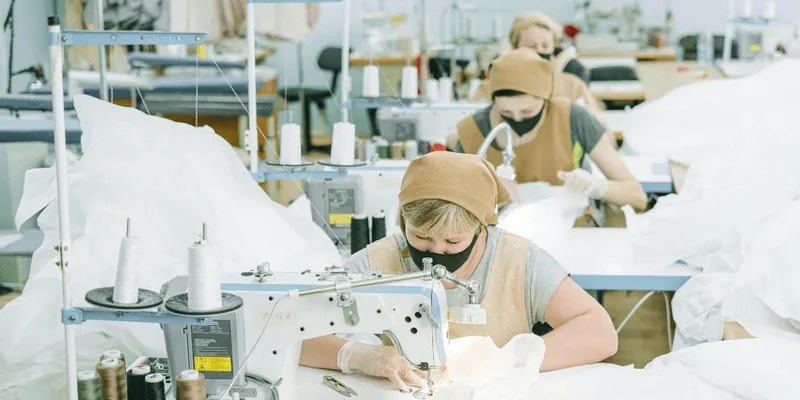

In the modern fashion and apparel supply chain, the term textile factory is often mentioned—but what exactly does it mean, and why is it so important to the global clothing industry? Textile factories form the foundation of fabric and garment production. They transform raw materials such as cotton, wool, or synthetic fibers into the fabrics that become the clothes, upholstery, and accessories we use every day.
This article explains what a textile factory is, how it works, the different types of textile factories, and what makes a good supplier for international brands. Whether you are a sourcing manager, fashion designer, or startup brand, understanding textile manufacturing is crucial for making smart supply chain decisions.
1. What Is a Textile Factory?
A textile factory is a manufacturing facility where fibers are processed, spun, woven, knitted, dyed, and finished into fabrics. These factories may also handle downstream processes like cutting, sewing, and packaging finished garments.
Textile factories operate as key players in the global apparel value chain, supplying fabrics to fashion brands, furniture makers, automotive companies, and industrial sectors.
Typical stages in a textile factory include:
- Fiber preparation: Raw fibers (cotton, wool, silk, polyester, etc.) are cleaned and prepared for spinning.
- Spinning: Fibers are twisted into yarn or thread using spinning machines.
- Weaving or knitting: Yarn is converted into fabric. Weaving produces structured fabrics like denim or canvas, while knitting creates stretchable fabrics used in sweaters and t-shirts.
- Dyeing and printing: Fabrics are colored or printed with patterns.
- Finishing: Chemical or mechanical treatments improve softness, shrink-resistance, or other properties.
2. Types of Textile Factories
Different factories specialize in different parts of the production chain. Here’s a breakdown:
Type of Textile Factory | Main Function | Example Products |
|---|---|---|
Spinning Mill | Converts raw fibers into yarn | Cotton yarn, wool yarn, polyester thread |
Weaving Factory | Uses looms to produce woven fabrics | Denim, poplin, canvas |
Knitting Factory | Produces knitted fabrics or garments | Sweaters, vests, knitted dresses (sweater factory) |
Dyeing & Printing Factory | Adds color, patterns, and textures | Printed cotton, digital-printed polyester |
Finishing Plant | Applies coatings and treatments | Soft-finish, waterproof, anti-pilling fabrics |
Integrated Textile Factory | Handles full process from fiber to garment | OEM/ODM custom knitwear and ready-made garments (knitwear factory) |
Integrated factories are becoming more common, especially in China and Southeast Asia. These offer end-to-end production, allowing brands to go from concept to finished garment under one roof—saving time, cost, and improving quality control.
3. The Role of Textile Factories in the Global Supply Chain
Textile factories are the engine of global fashion production. Every garment you see in stores starts with a fabric, and every fabric begins in a textile mill.
Here’s why textile factories matter:
- Mass Production Efficiency: Large-scale factories use advanced machinery to produce millions of meters of fabric each year.
- Quality Consistency: Automated production ensures uniform fabric texture and color.
- Customization: OEM (Original Equipment Manufacturer) and ODM (Original Design Manufacturer) services allow brands to develop unique fabric designs and custom garments.
- Sustainability: More textile factories are investing in eco-friendly yarns, recycled materials, and waste-water treatment systems.
For example, many sweater factories and knitwear factories now combine knitting, embroidery, and finishing technologies to deliver high-quality custom knitwear for brands across Europe and North America.
4. Modern Textile Manufacturing Process
Let’s look more closely at each stage in the production process inside a textile factory:
(1) Fiber Processing
Natural fibers (cotton, wool, linen) must be cleaned, carded, and combed to remove impurities. Synthetic fibers (polyester, nylon, acrylic) are melted or extruded into filaments before spinning.
(2) Spinning
Modern spinning mills use automated ring or open-end spinning machines to turn fibers into uniform yarn. This step affects fabric strength, softness, and elasticity.
(3) Weaving or Knitting
- Weaving interlaces warp and weft yarns to form stable fabrics.
- Knitting uses needles to form loops, creating stretchable fabrics used in sweaters, sportswear, and underwear.
Knitting factories often specialize in fully fashioned knitwear, meaning the garment is knitted to shape instead of being cut from fabric rolls—reducing waste and improving fit.
(4) Dyeing and Printing
Fabrics are dyed using eco-friendly dyes and pigments. Printing technologies such as digital inkjet and rotary screen printing allow detailed designs with less water and energy consumption.
(5) Finishing and Inspection
In this stage, fabrics are treated with softeners, anti-shrink coatings, or functional finishes like UV protection or moisture wicking. Quality inspectors check each roll for defects before shipment.
5. Modern Trends and Technologies in Textile Factories
Today’s textile factories are not just about mass production—they are increasingly driven by innovation, automation, and sustainability.
Key Trends:
- Automation & Smart Machinery
- Computerized knitting and weaving machines boost precision and reduce labor costs.
- AI-driven quality inspection systems detect flaws instantly.
- Sustainable Production
- Recycled polyester and organic cotton are replacing traditional fibers.
- Factories install closed-loop dyeing systems to save water and reduce waste.
- Digital Fabric Design
- CAD (Computer-Aided Design) tools allow brands to simulate textures and patterns before production.
- Digital sampling reduces turnaround time and material waste.
- Customization & On-Demand Manufacturing
- With flexible production lines, textile factories can produce smaller, more personalized batches for emerging fashion brands.
6. How to Choose a Reliable Textile Factory
If you’re sourcing textiles or knitwear, selecting the right manufacturer is critical. Here are five key factors to consider:
- Production Capability: Can the factory handle your desired fabric type, volume, and quality requirements?
- Certifications: Look for ISO 9001, BSCI, WRAP, or OEKO-TEX 100 certifications to ensure ethical and sustainable production.
- Experience: Established factories with 10–20 years of industry experience typically have stronger technical know-how and quality control.
- OEM/ODM Service: Choose a partner who can turn your design ideas into finished fabrics or garments. A capable sweater factory or knitwear factory can help your brand develop exclusive knitwear collections with the right yarn, texture, and style.
- Sustainability Practices: Verify whether the supplier uses eco-friendly yarns, recycles waste materials, or implements renewable energy.
7. Textile Factory vs. Sweater Factory
While both belong to the textile industry, they serve slightly different roles:
Category | Textile Factory | Sweater Factory |
|---|---|---|
Focus | Produces fabric materials (woven or knitted) | Produces finished knitted garments |
Products | Cotton fabric, denim, jersey | Cardigans, pullovers, knitted vests |
Machinery | Looms, spinning machines, dyeing lines | Computerized flat knitting machines |
Output | Bulk fabric rolls | Ready-to-wear garments |
Common Markets | Apparel, upholstery, industrial fabrics | Fashion brands, e-commerce, retailers |
Sweater factories are a specialized type of knitting factory focused on producing high-quality knit garments, often using wool, cotton, and blended yarns.
8. Conclusion
A textile factory is the backbone of global fashion and manufacturing. From raw fibers to finished fabrics, textile factories enable the production of everything from everyday clothing to high-performance technical textiles.
Today’s textile factories are not only centers of production—they are hubs of innovation, combining smart technologies, sustainable materials, and advanced design tools. Whether you’re a small fashion label or a global retailer, partnering with a reliable sweater factory or knitwear factory can help you achieve better quality, faster delivery, and more responsible manufacturing.
As sustainability and customization continue to shape the future of textile manufacturing, choosing factories with OEM/ODM capabilities, green production standards, and proven experience will be key to long-term success.