Weaving a Sustainable Future: The Textile Industry’s Path to Responsible Production
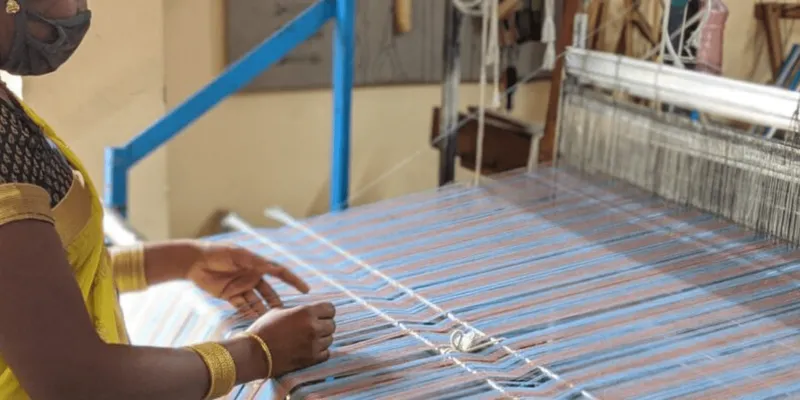

SUSTAINABILITY is no longer a choice but a major RESPONSIBILITY. India’s textile industry, contributing approximately 13% to industrial production and consuming significant energy, is rising to this challenge. As we mark Sustainability Day, it’s worth reflecting on how the sector is transforming itself, embracing eco-friendly innovation, reducing water and waste, and using renewable energy to grow responsibly while protecting the environment.
Eco-friendly innovation is guiding this transformation. Textile manufacturers are increasingly adopting energy-efficient machinery, green chemistry, and sustainable fibres that reduce environmental impact without compromising quality. Renewable energy use is rising steadily, with solar, wind, and biomass solutions now powering significant portions of production units, thereby reducing dependency on conventional power sources and cutting carbon emissions.
Water, one of the most vital resources in textile production, is now being treated with greater care. Advanced water recycling systems are enabling mills to reuse significant volumes, while effluent treatment ensures harmful discharges are minimized. Some units have reported water usage reductions of up to 40%, showcasing how innovation can deliver measurable environmental benefits. Waste management, too, is receiving attention through circular production practices, such as repurposing fiber offcuts and recycling yarns, reducing landfill contributions, and promoting a more sustainable lifecycle for textiles.
These efforts align perfectly with India’s vision to achieve ‘Net Zero’ emissions by 2070. By adopting cleaner technologies, renewable energy, and responsible production methods, the industry is contributing meaningfully to national climate goals. The shift is not just regulatory but reflects an evolving mindset where growth and sustainability go arm in arm.
Globally, sustainable textiles are projected to reach over USD 90 billion by 2030, indicating a surge in consumer and brand preference for environmentally responsible products. Indian textile manufacturers are stepping up to meet this demand, aligning with international sustainability standards, enhancing export competitiveness, and driving innovation across the value chain.
Measurable progress demonstrates that these promises are translating into action. Many textile units report tangible reductions in carbon footprints, significant increases in renewable energy adoption, and optimized water consumption. These milestones highlight that sustainability is no longer an abstract goal but a practical, achievable objective that adds value to both industry and society.
Yet, the journey is far from complete. True sustainability requires collaboration across the entire supply chain, from fiber producers to manufacturers, brands, and retailers. Knowledge sharing, investment in cleaner technologies, and continued dedication to responsible practices are essential to scale these initiatives, ensuring they deliver both environmental and economic benefits.
As we reflect on Sustainability Day, the message is clear: the threads we weave today have the power to shape a more sustainable future. By embracing renewable energy, water recycling, waste reduction, and eco-friendly innovation, the textile industry is proving that growth and responsibility are not mutually exclusive. The path to carbon-neutrality is not a piece of cake, but with each step toward sustainability, India’s textile industry is showing the world how tradition, technology, and care for the environment can work together to build a future that benefits both people and the planet.