Vishal Mega Mart Company Analysis FINANCIAL AND BUSINESS ANALYSIS REPORT

1. Introduction
Brief Company Overview
Vishal Mega Mart stands among India’s top discount retailers, selling low-cost items in clothing, everyday goods, and household supplies. With a widespread presence, the business runs numerous outlets nationwide, aiming mainly at budget-conscious shoppers and families with moderate earnings.
Industry Overview
With city populations growing, India's retail sector races ahead. As paychecks rise, shopping habits shift - fueling growth in structured stores. Value-focused brands and grocery outlets now draw more buyers seeking lower prices without hassle. Urban demand pushes these chains forward, slowly reshaping how people spend.
Purpose of the Analysis
This report examines Vishal Mega Mart by exploring its business approach, money outcomes, and standing in the marketplace - drawing from balance sheets, income data, and essential metrics.
2. Company Overview
Background and History
Vishal Mega Mart began operations around the start of the 2000s, growing fast as a discount retailer in India. Following shifts in leadership and internal reorganization, growth slowed - then resumed once stability returned.
Capital Market
Business Model
A typical day sees low costs shaping how goods reach shelves. Because efficiency drives operations, savings pass directly to shoppers. This approach relies heavily on streamlining supply chains. With minimal overhead, pricing stays within reach for most budgets.
High sales volumes
Efficient supply chain management
Private label products
Store expansion in smaller cities
Profit stays intact when prices stay low through this approach. Yet competitiveness does not suffer under such conditions.
Key Products and Services
Products fall into three main groups at this firm
Apparel (clothing and accessories)
General merchandise (home products, kitchen items, etc.)
FMCG (food and daily essentials)
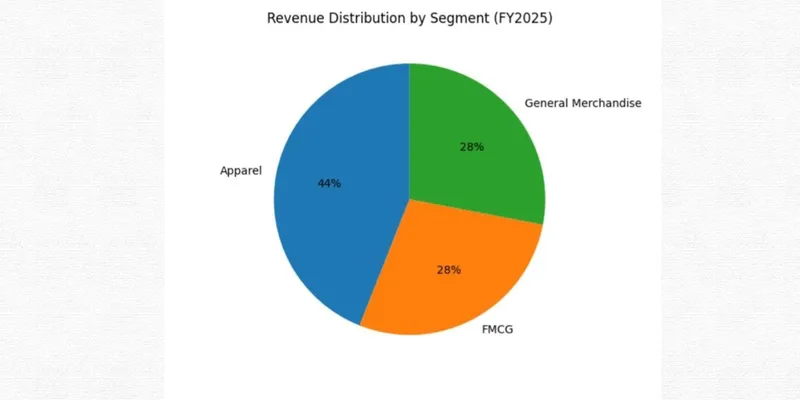
Fashion items bring in the most money, while everyday goods come next, then fast-moving consumer products trailing behind
Capital Market
Market Position
Vishal Mega Mart stands out across India's budget-friendly retail scene. By targeting smaller urban centers, it gains ground in areas where formal shopping networks remain underdeveloped.
3. Promoter or Founder Overview
Name of Founder
Founded first by Ram Chandra Agarwal, the business began with his leadership at the start.
Professional Background
From modest beginnings, Ram Chandra Agarwal ran several small ventures prior to launching Vishal Mega Mart. Though money problems arose along the way, growth continued through tough market conditions.
Role in Growing the Company
Starting small, the founder defined how affordability would shape the business model. Driven by his aim, stores offered dependable goods without high costs. Because of this approach, expansion throughout India gained speed quickly.
Firm ownership shifted when investors stepped in, leading to changes that steadied operations while allowing room to grow. Though uncertain at first, the shift brought stability through strategic adjustments afterward.
4. Financial Statement Analysis
Income Statement Analysis
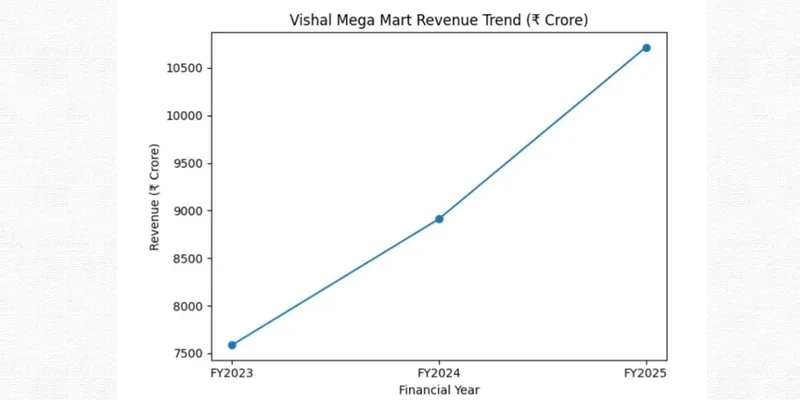
The following chart shows the revenue growth of Vishal Mega Mart over the last three financial year
Net Profit Trend (3 Years)
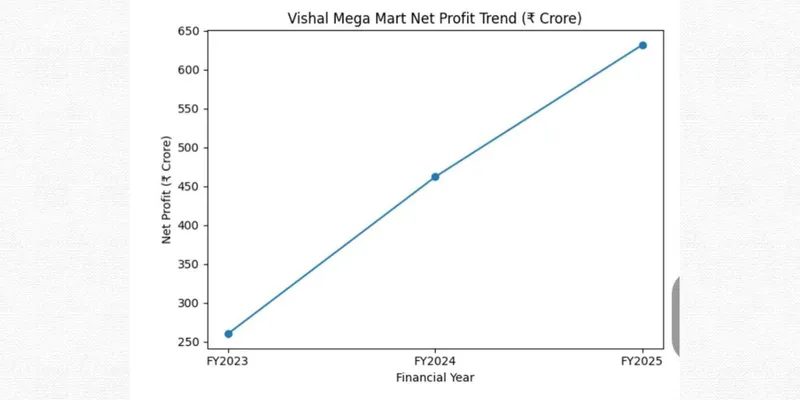
This chart represents the net profit growth of the company during the same period.
Key observations:
Fresh capital flowed into physical locations, boosting overall holdings. Inventory levels climbed soon after, adding weight to the balance sheet.
Liabilities mainly consist of operational expenses and supplier payments.
Fueled by stronger profits kept within the company, shareholders’ equity shows a rise. Equity climbed - not because of new investments, but through increased internal accumulation.
Cash Flow Statement Review
Operating cash flow at Vishal Mega Mart stays in the black - this matters greatly for daily retail function. A steady stream of incoming funds supports inventory updates, staff payments, plus routine expenses without relying on outside financing.
Key observations:
Fueled by stronger revenue, operating cash flow climbed. Though profits rose, the boost came mainly from more customers buying products.
Store growth and upgrades drive spending on new locations. Cash moves into construction and systems during scaling phases.
Key Financial Ratios
Profitability Ratios
Net Profit Margin Around 5 To 6 Percent
EBITDA Margin: ~14%
Liquidity Ratios
A solid current ratio appears here, supported by consistent movement of stock. Inventory flows well, which helps maintain balance in short-term obligations.
Leverage Ratios
Fairly low borrowing sits against a backdrop of solid holdings.
Efficiency Ratios
Fueled by the value retail approach, inventory moves quickly through stores. While pricing plays a role, it's the overall model that keeps stock rotating at high speed.
Category Revenue Distribution FY2025
Pie Chart Data
Capital Market
5. Key Insights And Interpretation
Strengths Active in smaller cities across regions Wide presence of stores throughout india Affordable pricing attracts price-sensitive consumers Growing revenue and profitability
Weaknesses
Margins tend to run smaller when set beside those of high-end retail outlets Dependence on physical stores High operational costs due to store expansion
Risk Factors
Intense competition from organized retailers and e-commerce Economic slowdown affecting consumer spending Supply chain disruptions
Future Outlook
The future looks favorable for Vishal Mega Mart Expansion into smaller cities Growing demand for value retail Increasing consumer base Fueled by broad market reach, the firm could sustain momentum going forward. Growth
6. Conclusion
Vishal Mega Mart now stands among India's leading discount retailers, built on low prices and wide reach.
7. References
Vishal Mega Mart. (2023–2025). Company Information and Business Overview. Retrieved from:
https://www.vishalmegamart.com
Vishal Mega Mart Annual Reports and Financial Data. Available at:
National Stock Exchange of India. Company financial statistics and performance data.
Bombay Stock Exchange. Corporate filings and financial statements.
IBEF. Indian Retail Industry Report.
https://www.ibef.org/industry/retail-india