US Tariffs and West Asia Conflict Add Fresh Uncertainty for Indian Textile Exporters
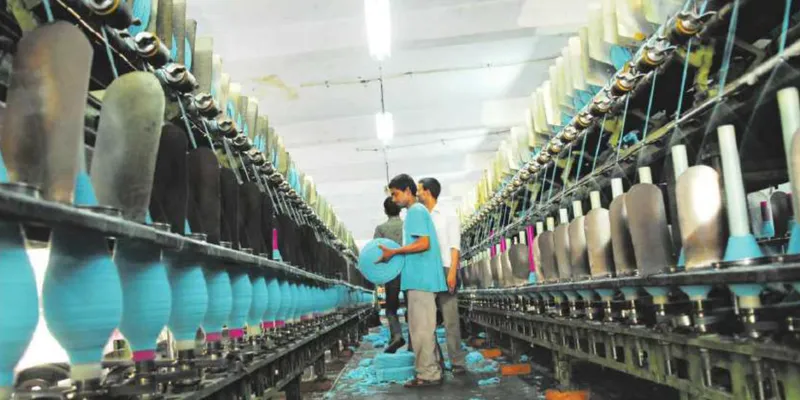
Rising cotton prices, potential US tariff changes and renewed conflict in West Asia create fresh challenges for India's textile and apparel export sector.
Indian textile and apparel exporters are facing renewed uncertainty after months of navigating volatile raw material costs. The sector is awaiting clarity on US tariff negotiations later this month, while the renewed conflict in West Asia is expected to increase freight costs and disrupt supply chains.
The industry had only recently begun to see relief from rising input costs. Cotton prices had increased earlier this year over concerns that an El Niño-led impact could reduce domestic production. Prices eased after the Centre removed the import duty on extra-long staple (ELS) cotton (with a staple length of 32 mm and above), improving domestic supplies of premium fibre used in fine-count yarn and high-end textiles. Higher imports also helped stabilise the market.
Some exporters had already taken measures to prepare for raw material volatility before cotton prices peaked.
“We anticipated that cotton prices could rise because of El Niño concerns, so we worked with spinning mills to pre-book yarn, lock in prices and secure production capacity well in advance,” said Shubhang Goenka, director at Chennai-based textile and apparel exporter Meenakshi India Ltd.
By mid-May, benchmark 29 mm Gujarat cotton prices had increased about 10% to ₹65,800 per candy (356 kg), up from ₹59,700 a month earlier. The increase was driven by concerns over domestic output and a weakening currency amid the West Asia conflict.
Domestic cotton prices have started firming again. According to the Cotton Association of India (CAI), benchmark 29 mm cotton spot prices rose ₹400 to ₹65,000 per candy on 14 July, while 28 mm cotton increased ₹500 to ₹64,200 per candy.
Globally, cotton futures on the Intercontinental Exchange (ICE) climbed more than 6% during the week ended 10 July, reflecting renewed concerns over global supply.
“Global cotton prices are expected to remain firm because of production challenges in key producing countries, with Indian prices likely to broadly follow global trends. However, since manufacturers can pass on the increase in cotton prices to the consumers with not much impact on demand,” he added.
Analysts said the effect of rising cotton prices differs across the textile value chain. Cotton is the primary raw material for home textiles and textile products such as bed linen, towels and fabrics. Apparel manufacturers, which produce garments and clothing, depend more on polyester.
Shounak Chakravarty, director at Crisil Ratings, said raw material accounts for about 55–60% of production costs in the readymade garment segment, with cotton making up nearly 30% of overall raw materials and the balance consisting of man-made yarns, including polyester.
India and the US are expected to continue negotiations on an interim trade agreement later this month. While both countries have indicated that a framework is ready, discussions are continuing on the final tariff structure.
The US is India's largest export market for textiles and apparel, accounting for about $10.5 billion in shipments.
Exporters said demand remains healthy, but uncertainty surrounding US tariffs is making global buyers more cautious.
“The market is very complicated right now,” said Marc Lewkowitz, president and chief executive of Supima.