US Tariff Threat Raises Uncertainty for Indian Exporters
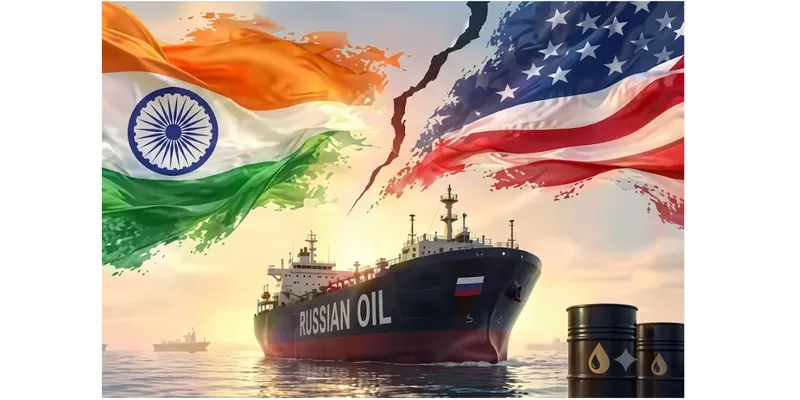
New Russia sanctions law gives Washington authority to impose tariffs of up to 100% on major buyers of Russian energy, while exporters await clarity on implementation
Indian exporters are facing increased uncertainty following the enactment of the Lindsey O. Graham Sanctioning Russia and Iran Act of 2026, which gives the US administration authority to impose tariffs of up to 100% on major purchasers of Russian oil and natural gas, including India. The legislation does not automatically impose a 100% tariff on Indian goods; the actual impact will depend on whether and how the tariff authority is invoked, along with the products covered and the implementation timeline.
The US House of Representatives passed the legislation on September 16 by 262–159, following Senate approval in August. US President Donald Trump signed the Act into law on September 18.
Trade watchers have said the implications for Indian exports can be assessed more precisely once Washington provides details on the specific levies, product coverage and implementation process.
Exporters monitor potential tariff impact
Ajay Sahai, director general, Federation of Indian Export Organisations (FIEO), said the development adds uncertainty for exporters.
“This is a cause of concern as it adds to uncertainty,” he said. “It also raises questions at the viability of those exports which are subject to 100% tariffs.”
The legislation gives the US President expanded authority to impose tariffs on the largest purchasers of Russian oil and natural gas, subject to conditions specified in the Act. India is among the major purchasers of Russian crude, making the potential use of the tariff provision an important issue for Indian exporters.
Apparel exporters assess possible consequences
Apparel Export Promotion Council chairman A Sakthivel said the legislation provides the US with a tool to pressure India to reduce tariffs on American goods.
Exporters have also indicated that some front-loading of shipments could occur if the tariffs are actually imposed.
“We are monitoring the situation,” said an official.
The potential impact could vary across export sectors depending on the products ultimately covered and the tariff rates applied.
Trade uncertainty remains a concern
Sanjay K Jain, managing director at TT Ltd, said the legislation provides Washington with additional leverage and legislative backing to impose tariffs.
“However, the US is facing high inflation, and any such move will add fuel to fire besides causing uncertainty,” he said.
The legislation's tariff provisions are part of a broader package targeting Russia's energy sector and other activities, while also extending sanctions relating to Iran. The Act authorises tariffs of up to 100% on the five largest purchasers of Russian oil and natural gas, with specified exceptions and conditions.
GTRI flags possibility of further trade pressure
Think-tank GTRI cautioned that the legislation could give the US additional leverage in negotiations with India over Russian oil purchases and broader bilateral trade concessions.
For Indian exporters, the immediate issue remains the uncertainty around whether the tariff authority will be used, which products could be affected and when any measures could take effect.
The development comes as Indian businesses continue to monitor US trade policy and assess the potential implications for shipments to one of India's major export markets.