US' Scripps institute reaffirms biodegradability of Lenzing fibres
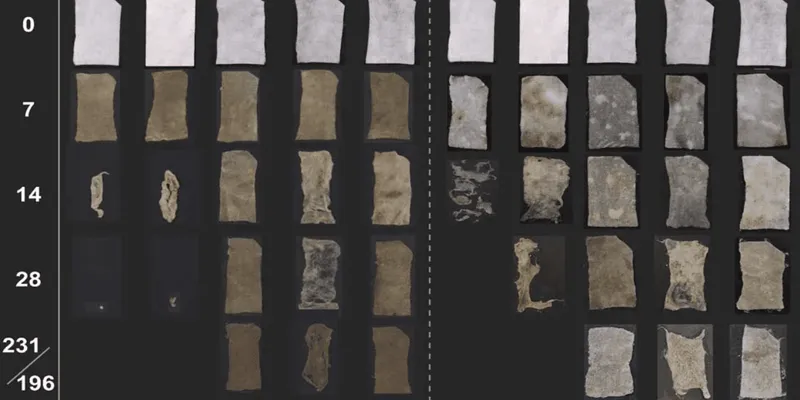
Lenzing fibres are biodegradable in the ocean and return to being part of the environment at the end of their life cycle, according to new scientific evidence obtained by The Lenzing Group, a global leader in the provision of specialty fibres for the textile and nonwoven sectors. Lenzing Lyocell fibres entirely biodegrade in sea-surface conditions in a remarkable short period of time, according to study done in 2021 by scientists at the esteemed academic research institution Scripps Institution of Oceanography (SIO) at the University of California, San Diego. The biodegradability of Lenzing Lyocell, Lenzing Viscose, and Lenzing Modal fibres on the sea floor was further validated in a second study that was published in May 2023, offering unambiguous evidence that they are a superior substitute for petroleum-based fibres. The evaluations are the outcome. In a separate endeavour to comprehend how textiles and nonwovens that are dumped in the environment as garbage end their lives. One of the oldest, biggest, and most significant marine research facilities in the world is SIO. In its most recent study, it compared the degradation processes of nonwovens made of cellulosic materials like cotton, petroleum- and bio-based synthetic materials like polyester and PLA, and the Lenzing Group's wood-based Lenzing Lyocell, Lenzing Viscose, and Lenzing modal fibres in particular scenarios. The materials were evaluated under a variety of controlled aquaria environments and real ocean situations. The trials' results are startling: although the wood-based cellulosic fibres entirely disintegrated within 30 days, both on the sea surface and at the sea floor, the petroleum-based fibres tested took much longer to do so. were essentially unchanged after more than 200 days, according to a press release from the business. "A circular economy is a key component of our business approach. The Lenzing Group employs a highly effective technology for digesting all raw materials to create fibres that, at the end of their life cycle, will replenish the ecosystem. In addition to providing a fully sustainable substitute for petroleum-based fibres, our aim is to increase public awareness of pressing issues like plastic pollution, according to Michaela Kogler, project manager in research & breakthrough innovation at the Lenzing Group. Raising public understanding of biodegradability is particularly crucial because not all products with the label "organic" are actually compostable and biodegradable. The ability of Lenzing Lyocell, Lenzing Viscose, and Lenzing Modal fibres to biodegrade has undergone testing at Normec Organic Waste Systems (OWS), a leading global provider of biodegradability and compostability testing facilities, in Belgium. The latter verified the findings in controlled aquaria settings and in the marine environment. The assessment, which takes into account all relevant natural and man-made situations where biodegradation may take place, was carried out in accordance with the current applicable international standards. Lenzing Lyocell, Lenzing Viscose, and Lenzing Modal fibres quickly biodegrade in all test environments (soil, commercial composting, home composting, freshwater, and marine water) within the time frames specified by the applicable standards, according to certificates from the certification organisation TÜV Austria. Environmental plastic pollution is a serious issue now and could continue to have a significant impact on many people. later generations. Fast fashion business models in the fashion industry have a particularly severe negative impact on the environment. In the past 20 years, the amount of synthetic fibres made from petroleum that are used in textiles has about doubled. This pattern is probably going to last. According to a survey by the non-profit organisation Changing Markets Foundation, polyester is already present in more than half of all textiles produced worldwide, and this number is expected to climb. Lenzing therefore supports the EU's focused initiatives to fight plastic waste in general, such as those associated with the single-use plastic directive (EU) 2019/904. The EU Commission specifically specifies the products that come under this category in its newly issued guidelines for implementing the regulation, which will offer the necessary clarity for EU member states in their joint campaign against environmental pollution from plastic waste. Lenzing’s wood-based, biodegradable cellulosic fibres can play a role in creating a sustainable and innovative solution to this man-made problem, which will escalate in the future. The single-use plastic directive introduced in July 2021 sets out standardized labelling requirements for certain products, either on packaging or on the products themselves, such as plastic-based feminine hygiene products and wet wipes for body care or household use. One of the first steps towards solving this problem is to educate consumers and offer alternative, more circular materials.