US Forced Labour Tariffs Highlight Need for India-US Trade Deal, but Uncertainty Remains
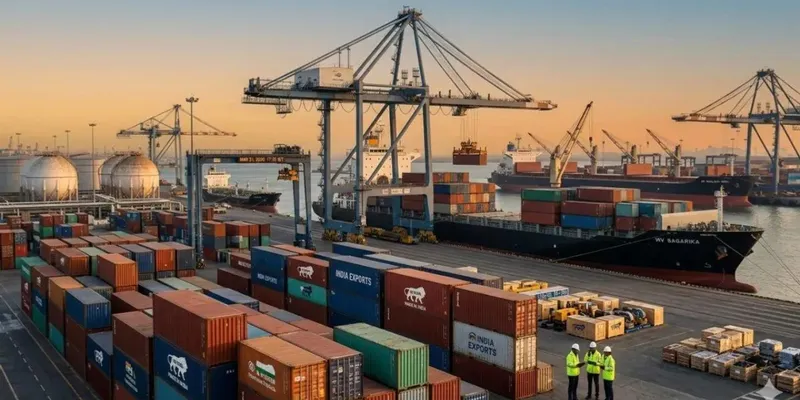
Section 301 tariffs offer advantages to countries with trade agreements, while India continues to face evolving tariff risks amid ongoing trade negotiations.
The latest Section 301 tariffs imposed by the United States on imports linked to alleged forced labour have renewed attention on the importance of an India-US trade agreement. While India has secured a reduction in the proposed tariff from 12.5% to 10%, uncertainty remains as additional investigations under Section 301 continue.
The 10% tariff introduced by the United States on imports from India and several other countries over goods allegedly produced using forced labour reflects a shift from the temporary tariff structure announced earlier. The revised Section 301 tariffs are more permanent and include country-specific benefits for nations that already have trade agreements with the United States.
Following the U.S. Supreme Court’s February 2026 decision, the earlier proposal of reciprocal tariffs faced significant changes. The previous framework, which proposed a temporary 10% tariff on all countries for 150 days, has expired. The newly announced Section 301 tariffs now distinguish between countries based on existing trade agreements with the United States.
Under the revised framework, imports from India face a 10% tariff in addition to the existing base tariff applied by the United States. By comparison, the European Union and Taiwan will face a total tariff of 10%, while similar trade-related benefits have also been extended to Japan, South Korea and Switzerland, all of which have trade agreements with the United States at different stages of implementation.
The product-specific exemptions and country-based quotas included in the final version suggest that the tariff structure extends beyond a uniform policy against forced labour. If preventing forced labour had been the sole objective, the tariffs would have been applied equally to all affected countries regardless of trade agreement status.
The policy also raises questions regarding the treatment of countries based on their trade with third parties. Although India has not been accused of using forced labour, it has been subjected to tariffs because of broader policy considerations involving other countries.
India secured a reduction in the proposed tariff from 12.5% to 10% after issuing a notification prohibiting the import of goods produced using forced labour. However, implementation of the notification may present practical challenges, as effective enforcement could require cooperation from countries such as China and Malaysia to facilitate inspections of labour conditions by Indian government officials.
While the notification contributed to a tariff reduction, uncertainty remains because the separate Section 301 investigations concerning excess capacity have not yet concluded and could lead to additional tariffs in the future.
The evolving tariff landscape indicates that trade negotiations between India and the United States continue to remain significant. At the same time, changes in U.S. tariff policies may continue even after future trade agreements are concluded.