Understanding IP Law in India's Textile Industry
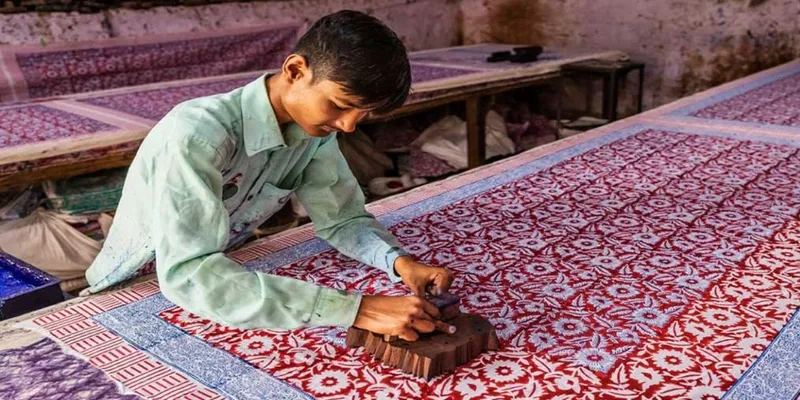
India's textile industry is famous worldwide. Beautiful designs, vibrant colors, and rich history make Indian textiles unique. But this popularity brings challenges, especially around Intellectual Property (IP) rights. Protecting these rights is essential for businesses to thrive and grow. This article explains IP law specifically for India's textile industry. We'll explore why IP matters, common issues businesses face, and practical steps to protect your creative assets.
Why IP Law Matters for Indian Textiles
IP law protects your original designs and creative work. It stops others from copying your designs without permission. For textile companies, this protection is vital. It helps brands maintain uniqueness and compete fairly. India’s textile exports were worth over $44 billion in 2022. But IP theft costs businesses millions every year. Understanding IP law helps businesses avoid losses and keeps their designs safe.
Key Types of IP Protection in Textiles
Copyright
Copyright protects original artistic creations like textile designs. In India, your design is automatically protected once it's created. However, registering your copyright makes legal action easier. "When our unique embroidery design was copied, having a registered copyright helped us quickly win the legal case," says Rina, owner of a textile startup in Jaipur.
Trademark
Trademarks protect brand names and logos. Textile businesses often use trademarks to ensure customers recognize their products. A registered trademark stops competitors from using similar names or logos. "We trademarked our logo early. It helped us build our brand without worrying about copycats confusing customers," says Amit, a Mumbai textile exporter.
Geographical Indication (GI)
GI protects products famous for their unique regional qualities. Examples include Banarasi sarees and Kanchipuram silk. GI tags help consumers trust product quality and origin. India currently has over 450 GI-tagged products, many from the textile sector. Protecting GI helps artisans and small businesses compete globally.
Common IP Issues Faced by Indian Textile Businesses
Design Theft
Design theft is a big problem. Competitors sometimes copy popular designs, hurting original creators. "A competitor copied our popular saree design. We lost customers until we took legal action to stop them," explains Deepika, a saree designer from Surat.
Counterfeit Products
Counterfeit textiles flood markets, damaging brand reputations. Customers unknowingly buy fake products, hurting trust and sales. In 2022, counterfeit textiles accounted for nearly 15% of textile sales losses in India. Fighting counterfeit products is essential to protect brands.
Online IP Violations
The internet makes it easy for people to steal and sell designs online. Social media and marketplaces like Amazon see many violations. Businesses must actively monitor and report these violations. Tools like DMCA takedowns can remove unauthorized content quickly.
Practical Steps to Protect Your IP
Register Your Designs
Always register your original designs. Registered IP gives you legal power to stop theft. It makes legal battles shorter and less expensive.
Use Strong Contracts
Clearly define IP rights in your contracts with designers, manufacturers, and distributors. A clear agreement reduces disputes. "Clear contracts saved us when a supplier tried selling our designs elsewhere," says Priya, owner of a Delhi-based textile brand.
Educate Employees
Train your employees about IP rights. They must understand the importance of keeping designs confidential and spotting violations quickly.
Monitor Online Platforms
Regularly check online platforms for unauthorized use of your designs. Swift action prevents small issues from becoming big problems.
Work with IP Experts
Hiring IP experts can be helpful. They handle registrations, monitor violations, and manage legal actions, letting you focus on creativity and business growth.
Protecting Your IP Online
Online reputation is vital for any business. According to experts, removing court records from the internet can help protect your brand’s reputation. Similar actions apply when protecting IP online. Fast responses to violations maintain customer trust and brand integrity. For online issues, quickly report violations to platform administrators. Many platforms, like Instagram and Etsy, have clear reporting systems to handle IP theft swiftly.
Success Stories in IP Protection
Textile companies that actively protect their IP often thrive. "We aggressively protect our IP. Last year, we shut down dozens of counterfeit sellers online. Our efforts boosted customer trust and increased our sales," shares Vivek, owner of a Bangalore-based textile brand. “In my work around the world, I’ve seen how vital it is to protect creative designs in the textile sector,” says Sanaka Samarasinha. “Strong intellectual property laws ensure that Indian artisans and brands get credit and fair reward for their work. Without clear protections, we risk losing both economic value and the cultural heritage woven into every fabric.”
Looking Ahead
As India's textile industry grows globally, IP protection will become even more important. Companies that invest in strong IP strategies now will see greater success in the future. Understanding IP law isn’t just about legal compliance. It’s about ensuring your creativity and hard work benefit your business, not copycats. Take proactive steps to protect your textiles and secure your brand’s future. Protecting your textile designs through IP law means more than just legal safety—it means business growth, brand strength, and industry leadership.