UK Buyers Increase Sourcing Interest from Tiruppur Ahead of India-UK FTA Implementation
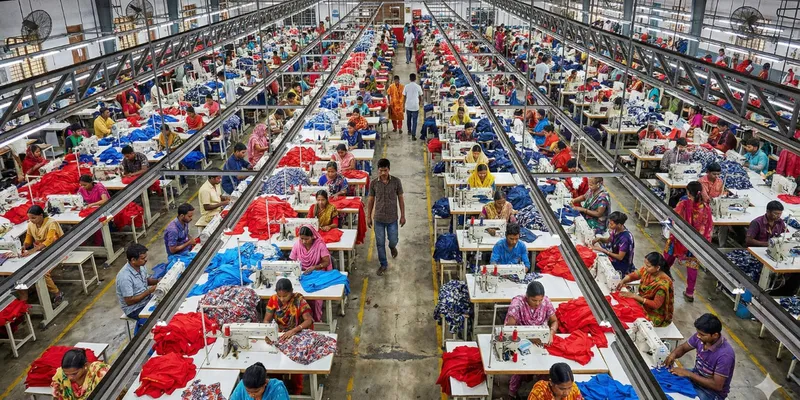
Exporters expect higher garment orders as the India-UK Free Trade Agreement comes into force from July 15.
Garment buyers from the United Kingdom are looking to expand sourcing from Tiruppur as the India-UK Free Trade Agreement (FTA) comes into force on July 15, according to industry representatives.
A. Sakthivel, Chairman of the Apparel Export Promotion Council (AEPC), said buyers already sourcing from Tiruppur and other parts of India are increasing their orders. He added that some new buyers who previously sourced from Bangladesh are also turning to India.
According to Sakthivel, Tiruppur continues to be a leading knitwear hub, while Bengaluru specialises in woven shirts and Delhi serves as another major garment manufacturing centre.
He said India has a competitive advantage over countries such as Bangladesh and Vietnam because of the availability of raw materials, enabling manufacturers to offer more competitive pricing.
Sakthivel stated that the full impact of the India-UK Free Trade Agreement is expected to become visible over the next couple of months.
He also noted that while buyers intended to increase purchases from India, many had delayed commitments until there was clarity on the implementation of the trade agreement. As a result, several UK brands have been scouting for new suppliers in India over the past seven to eight months.
Exporters said Tiruppur was previously a major supplier of core garments to the UK market. However, Bangladesh's duty-free market access had resulted in a decline in orders from the UK. With India set to receive duty-free access under the India-UK FTA, exporters expect those orders to return to Tiruppur.
Currently, around 10% of Tiruppur's exports are shipped to the UK.
Industry representatives also observed that purchasing patterns in European markets have changed. Large brands are introducing economy product lines, while smaller retailers are recording higher sales and opening new stores. At the same time, demand for premium garments has declined, creating new sourcing opportunities for textile clusters such as Tiruppur.