Types of Walkers Explained: Choosing the Right One for Comfort and Stability
Moving safely around your home or society can be challenging if balance or strength is limited. Walkers provide reliable support, helping users stay steady while walking and boosting confidence in daily activities.
Choosing the right walkers affects both safety and comfort, and there are several options to consider. The right walker can make standing, turning, and walking smoother, reducing strain and fatigue.
Understanding how different walkers function helps users select one that fits their lifestyle and environment. Let's learn how to identify the right walker so that every step is secure, making daily routines easier and helping users maintain independence with confidence.
What are Walkers and Who Can Use Them?
A walker functions as a walking aid that helps people who struggle with walking and balance problems. The design of walkers enables users to walk safely because they create a stable support system that keeps weight properly distributed throughout the walking frame.
These products can be adjusted as manufacturers construct them with aluminum, which serves as their main material. The design functions in indoor spaces and outdoor areas because its operational setup determines its performance.
This device provides essential support for people who experience dizziness or fatigue during their regular activities.
Types of Walkers
Different walkers provide different levels of support and stability while maintaining different degrees of operational simplicity. Here are the different types of walkers by AGEasy that you can choose from according to your specific requirements:
- Step Walker
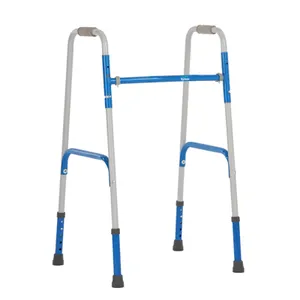
A step walker, also called a standard walker, is the simplest type. It has a four-legged frame without wheels.
Users lift the walker slightly, move forward, and place it down again. This type provides maximum stability because all four walker legs stay on the ground.
Step walkers are ideal for users who need strong support and have enough strength to lift the walker with each step. While it requires extra effort, the stability it provides is ideal for indoor use or for users with balance challenges.
- Walker with Wheels
A walker with wheels has small front wheels that allow users to push it forward without lifting it completely. The design of this product helps users experience less fatigue while they move their bodies more easily during walking activities.
These walkers have two front wheels and two rear rubber tips to maintain control, and some include brakes for safety. A walker with wheels is helpful for users who want easier movement while still maintaining stability.
- Walker Without Wheels
Walkers without wheels come in adjustable heights and sometimes feature padded hand grips. The lack of wheels prevents accidental rolling, offering maximum security for users with balance issues.
Rubber tips on each leg help prevent slipping, giving users added confidence while walking. Lifting the walker with each step encourages proper posture and even weight distribution, which supports safe and strong walking mechanics.
These walkers are especially effective for indoor use or on flat, level surfaces, making daily movement more secure and comfortable.
- Rollator
A rollator is a walker equipped with four wheels, a built-in seat, and often a storage basket. The device can be moved across long distances because it operates smoothly without requiring users to lift it.
Hand brakes provide extra safety, and the seat offers a convenient place to rest whenever needed. Combining mobility and comfort, rollators are a popular choice for users who are steady on their feet but require support for extended standing or walking.
5 Features to Look For in Walkers
When choosing a walker, look for certain features that support safety, comfort, and ease of use:
- Adjustable Height
Supports proper posture by allowing the arms to rest comfortably at the sides with a slight bend at the elbows. Correct height alignment reduces pressure on the shoulders and back and helps maintain balance while walking.
- Hand Grips
Cushioned, non-slip hand grips reduce hand fatigue and help users maintain steady control. For wheeled walkers or rollators, brakes support safer stopping and slowing, with locking brakes adding stability when sitting or standing still.
- Weight Capacity
The walker must deliver stable and reliable support according to the user's body weight requirements. Weight limit checks protect the frame from stress, which enables the equipment to maintain its durability throughout time.
- Portability and Durability
Foldable, lightweight walkers are easy to store and carry. An aluminium frame keeps handling smooth while maintaining dependable stability.
- Seat and Storage Options
For rollators, a padded seat offers a convenient resting spot during longer walks. Built-in baskets or pouches provide practical storage for personal items, keeping hands free while moving.
Carefully reviewing these features helps ensure the walker matches the user’s mobility level, environment, and daily routine.
Take the Next Step Toward Safer, More Confident Mobility
The process of evaluating your mobility requirements should include a detailed examination of features that provide comfort and control and that extend the product's lifespan. Walkers help users to operate their daily activities with ease through its need for appropriate height adjustment and a reliable brake system.
Many brands, such as AGEasy, create walkers that prioritize user comfort and product reliability to assist users in walking with increased assurance. The process of selecting a walker requires you to choose an equipment piece that matches your daily activities while seeking professional help from medical experts.
The right choice helps individuals maintain steady movement as their confidence builds throughout the day.