Transport Costs Between Major Textile Hubs Rise Sharply Amid Fuel Price Increase
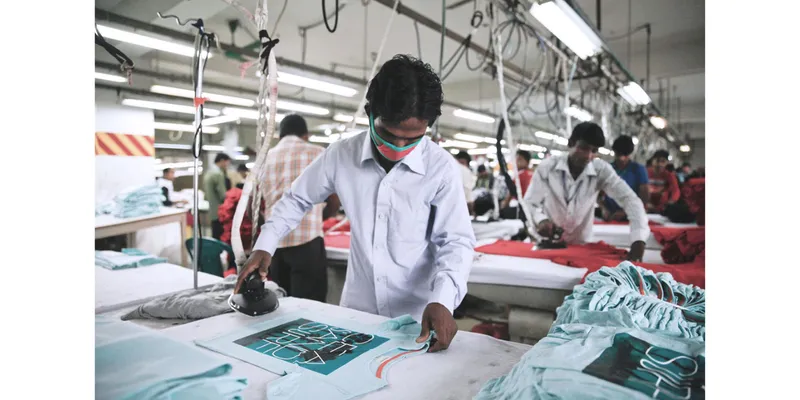
Higher freight rates and commercial LPG price hikes add pressure on textile processing and supply chains
Transport costs for raw textile materials moving between Bengaluru and major textile hubs such as Mumbai, Surat, and Ahmedabad have increased significantly, according to traders and industry operators. The rise in freight charges comes alongside a sharp increase in commercial LPG cylinder prices, a key input used in textile processing operations.
Industry participants said freight rates for a 60-kg shipment, which earlier ranged between ₹300 and ₹350, have now crossed ₹700 for transport between Bengaluru and major textile centres. Traders noted that transporters had already raised charges in anticipation of higher fuel costs before petrol and diesel prices were increased by over ₹3 per litre on May 15.
The increase in logistics expenses is expected to affect the movement of raw textile materials across the supply chain. Raw materials including grey fabric and yarn are regularly sourced from Surat and Ahmedabad, while processed textile materials are sent to Mumbai for further distribution.
“With processing units facing a double-whammy, traders say this is likely to push up fabric costs and disrupt the production cycle across the sector,” the report noted.
Trade activist Sajjan Raj Mehta said transporters are facing supply-related challenges and that freight rates may increase further.
Kiran Madhav, a trader, stated that transport expenses for textile materials moving between Bengaluru and textile hubs have risen sharply compared to earlier rates.
The article also highlighted the impact of the ₹993 increase in the price of a 19-kg commercial LPG cylinder. Textile processing units that depend on LPG for dyeing, washing, drying, and finishing operations are expected to face cost increases of up to 10%.
“During dyeing, fabric has to be heated at specific temperatures for colours to set properly. Large quantities of hot water are then needed to wash off chemicals and excess dye. Drying machines and stenters also require heat to remove moisture and prepare the fabric for further processing. Eventhe laststeps to improve texture, softness and shrink resistance dependon steam generated through LPG-fired boilers,” said Mahesh Kumar, a tie-dyeing unit operator in Nagarathpet.
He added that smaller textile processing units continue to rely heavily on commercial LPG as electricity-based alternatives are expensive, piped natural gas infrastructure is unavailable, and diesel or coal-based alternatives involve higher costs or restrictions. He also noted that fixed-rate supply contracts limit the ability of dyeing units to immediately pass on the increased costs.