Top Exporters Driving Global LNG Market Growth
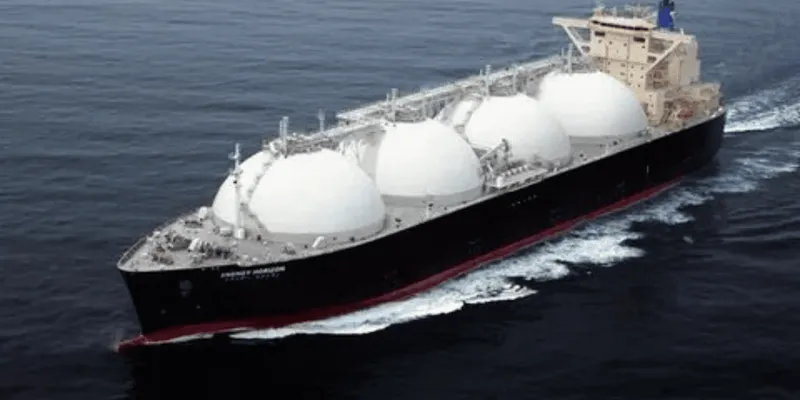
The Liquefied Natural Gas (LNG) Market has emerged as a vital pillar of the global energy infrastructure. Offering a cleaner alternative to traditional fossil fuels like coal and oil, LNG is gaining momentum as the world transitions toward sustainability. Its lower carbon footprint and reliability across industrial, commercial, and residential applications have accelerated global demand. At the heart of this expansion are the top exporting nations that now play a central role in defining global supply chains, pricing structures, and trade routes. This evolving landscape has ignited fierce competition among major LNG-exporting countries to enhance their global footprint, form new trade alliances, and invest in cutting-edge infrastructure.
This article highlights the top LNG exporters shaping market trends and explores how their export capabilities are strategically important in the broader context of the global energy transition.
Qatar: Dominating the LNG Market
Qatar maintains its position as the global leader in LNG exports, supported by its vast reserves and ongoing expansion of the North Field project. The nation plans to boost LNG production capacity from 77 MTPA to 126 MTPA by 2027, solidifying its dominance in the sector. Qatar’s strength lies in its long-term contracts with Asian powerhouses like China, Japan, and South Korea. The country’s state-run company, QatarEnergy, plays a key role in managing export strategy and developing essential infrastructure. As noted by Fairfield Market Research, this expansion will help stabilize global supply chains amid global uncertainties.
United States: The Rapid Riser
The United States has swiftly become a top global LNG exporter, fueled by the shale gas revolution. Export levels have reached record highs, supported by major terminals such as Sabine Pass, Cameron, and Corpus Christi, mainly serving European and Asian markets. Following the Russia-Ukraine conflict, European countries have increasingly turned to U.S. LNG to replace Russian supplies. U.S. LNG is also appealing due to its flexible pricing structure, with many contracts tied to the Henry Hub index. New ventures like Golden Pass LNG are poised to expand capacity even further.
Australia: Asia’s Proximate Supplier
Australia remains a significant player in the LNG export arena, with projects like Gorgon, Wheatstone, and Ichthys enabling it to serve high-demand Asian markets including Japan, China, and India. Its proximity to these regions reduces transit time and costs. Despite facing challenges like cost overruns and labor shortages, Australia maintains a strong reputation for safety and environmental standards. According to Fairfield Market Research, the country’s focus on operational efficiency and infrastructure modernization will help sustain its export momentum.
Russia: Navigating Geopolitical Hurdles
Historically a key gas supplier to Europe, Russia has built a significant LNG export portfolio through projects like Yamal LNG and Sakhalin-2. However, the ongoing geopolitical tensions and sanctions linked to the Ukraine war have impacted its role in the global market. In response, Russia is increasingly pivoting toward Asian markets such as China and India. The Arctic LNG 2 project aims to diversify routes and enable year-round shipping via the Northern Sea Route, though it faces delays. Russia’s future in LNG exports depends on how it adapts to external economic and political pressures.
Nigeria & Mozambique: Africa’s LNG Leaders
Africa is gaining prominence in the LNG market, with Nigeria and Mozambique leading the way. Nigeria has long exported LNG through the NLNG plant in Bonny Island, serving regions like Europe and Latin America. Mozambique is emerging as a strong contender with vast reserves and developments such as the Coral South FLNG and Rovuma LNG projects. These ventures are essential for both domestic economic growth and diversifying global LNG supply chains.
Canada: Untapped Potential
While not yet a top exporter, Canada holds enormous potential due to its abundant gas reserves and political stability. Its first major LNG export facility, LNG Canada, is under development in British Columbia and expected to begin operations in the near future. Once operational, it will provide Canada with a strategic gateway to Asia-Pacific markets. Though delayed by regulatory and indigenous land issues, Canada is expected to become a competitive supplier once these challenges are addressed.
Strategic Role of LNG Exporters in Energy Transition
LNG exporters are essential players in the ongoing global energy transition. With coal consumption in decline and renewables facing intermittency challenges, LNG is seen as a bridge fuel—balancing reliability with lower emissions. The geographic spread of LNG hubs supports more stable energy supply chains and reduces overreliance on individual suppliers.
Moreover, floating LNG terminals (FLNG), improved liquefaction technology, and carbon-neutral LNG innovations are strengthening the resilience and sustainability of LNG supply globally.
Future Outlook: Exporters to Shape LNG Market Direction
As the LNG industry undergoes transformation, exporting nations will be pivotal in shaping its future. From Qatar’s capacity upgrades and the U.S. shale surge to Australia’s Asia focus and Africa’s emergence, the global LNG export map is becoming increasingly diversified. With energy security, climate goals, and economic growth driving investment, the competition among exporters is set to intensify. As projects advance and new technologies emerge, policymakers, investors, and global buyers must stay alert to evolving strategies in this high-stakes energy market.
For deeper analysis of LNG exporter trends and global trade patterns, Fairfield Market Research provides valuable forecasts and insights.