Top 10 Booming Uses of Geocomposites in U.S. Infrastructure
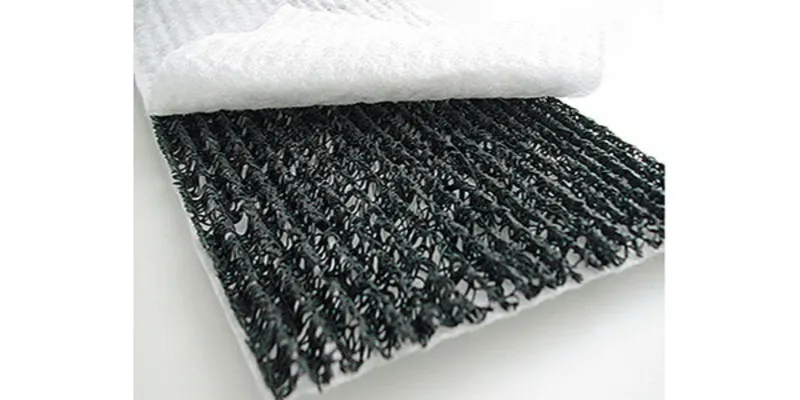
10 Fastest-Growing Applications of Geocomposites in U.S. Infrastructure
The U.S. geocomposites market is experiencing rapid transformation, fueled by a national push for infrastructure modernization, environmental responsibility, and sustainability. These engineered materials—combinations of geotextiles, geogrids, geomembranes, and more—are emerging as essential components in construction and civil engineering projects, offering enhanced durability, efficiency, and eco-conscious benefits.
According to Persistence Market Research, this sector is poised for significant growth in the coming years, driven by a blend of technological advancements and stricter environmental standards. Below are the ten most dynamic and expanding applications of geocomposites in the U.S. today:
1. Landfill and Waste Containment Systems
As landfills reach capacity and new sites are developed, geocomposites are essential in preventing leachate from contaminating soil and groundwater. These multi-functional liners integrate geomembranes with geonets or geotextiles, delivering advanced containment capabilities in compliance with EPA mandates.
2. Roadway and Highway Drainage
To reduce sub-surface water accumulation and prolong pavement life, DOTs nationwide are replacing traditional drainage layers with geocomposite alternatives. These materials channel water more efficiently, reducing risks of frost heave and potholes, especially in wet regions like the Pacific Northwest.
3. Retaining Wall Support
With urban expansion leading to more vertical infrastructure, geocomposites reinforce retaining walls by enhancing tensile strength and improving drainage. This is crucial for both commercial developments and public works requiring high-load stability.
4. Slope and Embankment Erosion Control
Post-wildfire areas and expanding cities need erosion-resistant designs. Geocomposites combine mesh and soil-holding fabrics to prevent erosion, supporting re-vegetation and managing water runoff in high-risk zones like California’s hillsides.
5. Tunnel Waterproofing and Drainage
In urban centers upgrading underground networks, waterproofing geocomposites are playing a critical role. Integrated drainage cores paired with geomembranes prevent groundwater intrusion in subway and sewer tunnels, reducing long-term maintenance needs.
6. Green Roof Systems
Sustainable architecture is embracing geocomposites to manage drainage, protect roots, and retain water in green roofs. These systems contribute to LEED certification while mitigating stormwater runoff and urban heat islands.
7. Railway Bed Stabilization
With increasing rail traffic, geocomposites help maintain track alignment by preventing ballast deformation and distributing loads. They enhance performance and reduce maintenance for freight and passenger lines.
8. Heap Leach Pads in Mining
Environmental scrutiny in mining has driven the adoption of geocomposites in heap leach pads for fluid management, containment, and gas venting. States like Nevada and Arizona are leading in the use of these environmentally sound systems.
9. Stormwater Management Basins
Cities are installing geocomposites in stormwater retention ponds to improve hydraulic containment and minimize land use. These systems also help meet flood control and water quality requirements in urban planning.
10. Airport Pavement Infrastructure
Busy airports are turning to geocomposites to reinforce subgrades beneath runways and taxiways. These materials extend pavement life, improve load-bearing capacity, and ensure compliance with FAA safety and performance standards.
The expanding role of geocomposites reflects a broader movement toward smarter, greener, and longer-lasting infrastructure in the U.S. These materials are no longer auxiliary—they are becoming foundational in planning and construction. Stakeholders who embrace this evolution stand to gain in efficiency, sustainability, and regulatory compliance as geocomposites reshape the future of American civil engineering.