TMMA(I) 66th AGM: Call for Technology-Led Competitiveness Amid Rising Textile Machinery Imports
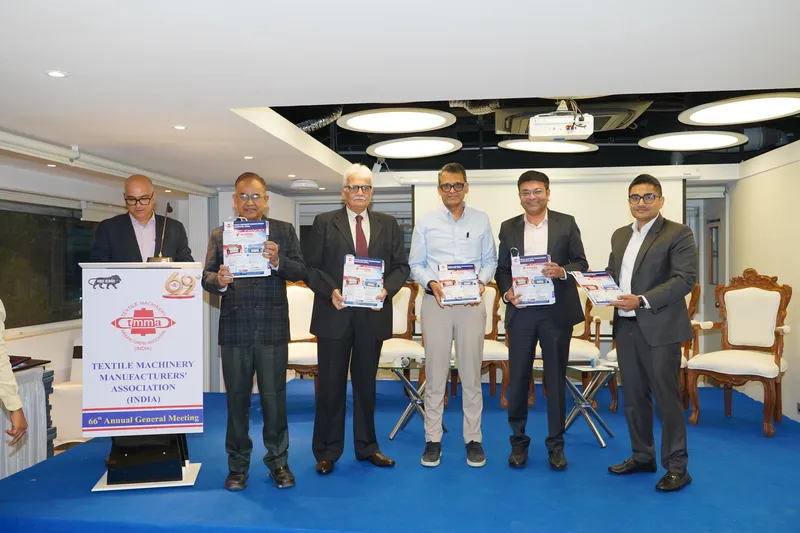
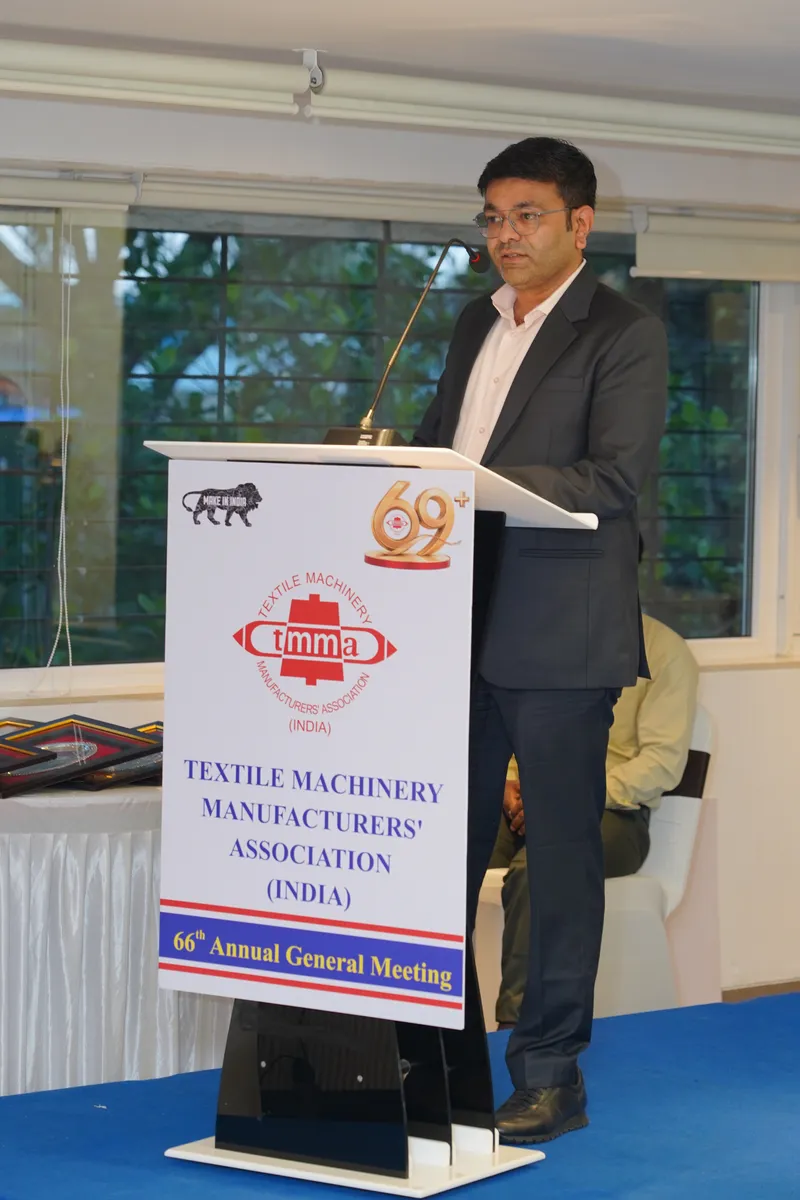
The 66th Annual General Meeting of the Textile Machinery Manufacturers’ Association (India) was addressed by Chairman Mr Prashant Mangukia. The Chief Guest was Mr. Durai Palanisamy, Chairman, SIMA Mills and Executive Director, Pallava Group, Coimbatore.
Major Highlights
Global context: FY2025–26 was described as a year of resilience amid geopolitical tensions, tariff uncertainties, changing trade policies and fragmented supply chains. The shift toward China+1, near-shoring and friend-shoring strategies was identified as a significant opportunity for India, provided the industry competes on technology, quality, productivity, delivery and reliability.
India’s economic foundation: Real GDP grew 7.7% in FY2025–26, compared with 7.1% in the previous year, supported by domestic consumption, investment, manufacturing and services. Continued infrastructure investment and deeper integration into global value chains were noted as positive for textile engineering.
Industry reality: The Textile Engineering Industry faced a challenging year, with double-digit declines in production and capacity utilisation and continued export pressure. Domestic textile machinery demand increased to approximately ₹32,397 crore, yet Indian manufacturers supplied less than 25% of the market by value. Imports rose sharply to approximately ₹26,999 crore, concentrated mainly in weaving and knitting machines. The core message was that the market opportunity already exists; the challenge is competitiveness.
Five Collective Priorities
The Chairman outlined five collective priorities:
- Stronger domestic manufacturing ecosystem.
- Technology and modernisation as a competitive advantage.
- Quality and a level playing field for Indian manufacturers.
- Exports—positioning Indian machines as globally trusted products through stronger international marketing, project exports, export finance and partnerships.
- R&D, innovation and skills development through industry–academia collaboration and skilled manpower.
Strategic Call to Action
The industry was urged to move from cost competitiveness to technology competitiveness so that the Indian Textile Engineering Industry becomes a global technology partner rather than merely a domestic supplier.
TMMA(I) reaffirmed its role in policy advocacy, industry–user dialogue, technology and market development, sharing industry intelligence, and creating collaboration opportunities.
Export and R&D Awards
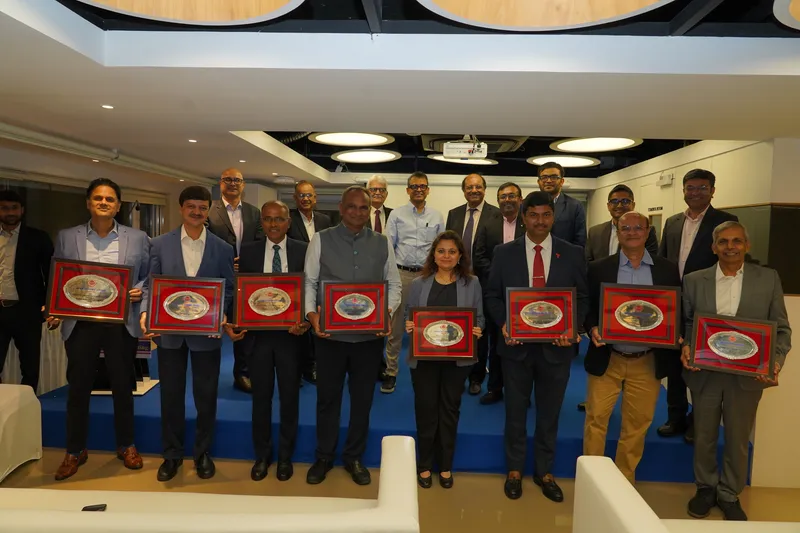
The Export and R&D Awards for 2025–26 were presented by the Chief Guest, recognising members’ achievements in exports, research, development and technological advancement. This was followed by his address.
Looking Ahead
The Chairman expressed confidence that, through collective action, speed, scale and technological capability, the Indian Textile Engineering Industry can emerge as a stronger and globally competitive pillar of India’s textile ecosystem.
Closing
The speech concluded with appreciation to members, the Managing Committee and government bodies, including the Ministry of Textiles, Ministry of Commerce & Industry, DPIIT, BIS and the Textile Commissionerate. It called on the industry to convert present challenges into future leadership for the sector.