Tiruppur's Textile Sector Sees Resurgence Driven by International Demand and Modernization
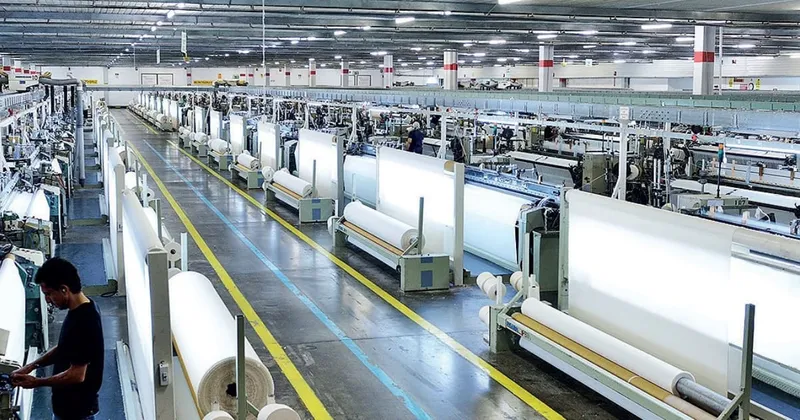
Tiruppur, a major knitwear hub in India, is experiencing a significant resurgence in its garment manufacturing sector, fueled by increased international demand and a push for modernization. This revival is having a ripple effect across the textile supply chain, from yarn production to weaving. Recent months have witnessed a surge in production activity and investment in Tiruppur's garment units. The Tiruppur Exporters Association (TEA) reports a notable increase in interest from international retail buyers, particularly those seeking alternatives to Bangladesh. Several buyers have initiated audits of local facilities, signalling potential order placements within the next six months. Currently, nearly 90% of Tiruppur's garment export units are operating at full capacity. This renewed demand is driving a wave of modernization. Recognizing the need for increased efficiency, manufacturers are investing in advanced machinery, including AI-powered equipment offering a 30% performance boost compared to older models. This technological upgrade is crucial for meeting the evolving demands of global buyers. The landscape of international retail has shifted, with a consolidation towards larger retailers and a focus on higher production capacities. Consequently, Tiruppur manufacturers are adapting by scaling their operations. Industry sources suggest that a minimum of 150 machines is now necessary to secure substantial orders from major international clients. This shift is prompting manufacturers to expand their production capabilities and upgrade their existing infrastructure. To meet the specific requirements of international buyers, Tiruppur is also increasing its reliance on imported fabrics, currently accounting for approximately 18% of its total fabric needs. The upswing in garment production has positively impacted the yarn sector. Smaller spinning mills, which directly supply Tiruppur's garment units, are experiencing a significant recovery in orders. After a two-year slump that affected roughly 40% of these mills, the sector is now operating near full capacity for the past three months. Industry stakeholders are urging the government to remove import duties on cotton and relax Quality Control Order norms to further capitalize on the international market opportunities. The Southern India Mills Association reports stable and low cotton prices, further supporting the mills. However, the weaving industry faces ongoing challenges. Those who invested in auto looms are struggling to achieve profitable pricing, and exports to Bangladesh have been hampered by payment delays. The Powerloom Development and Export Promotion Council anticipates that these issues will require several more months to resolve. Overall, Tiruppur's textile industry is undergoing a dynamic transformation, driven by international demand, technological advancements, and a focus on adapting to evolving market dynamics. While challenges remain in certain segments, the overall outlook for the region's textile sector is positive.