Tiruppur Knitwear Exports Decline 4.92% in FY26 Amid Tariff-Related Uncertainty
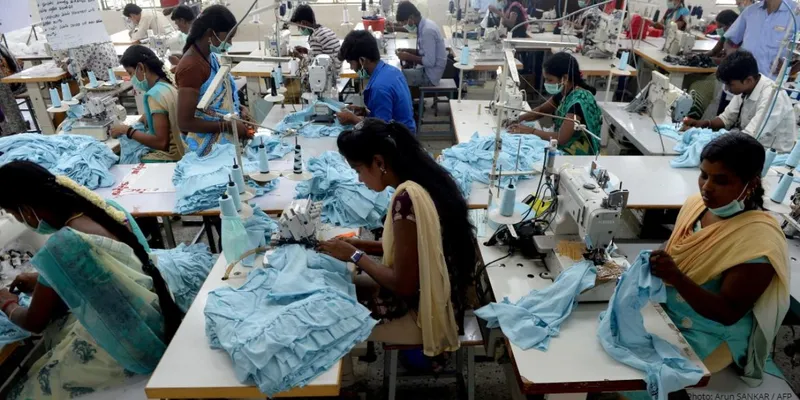
Exports from India’s largest knitwear hub fall to ₹42,544 crore as US tariff concerns and global disruptions impact order flows
After registering a 20 per cent increase in 2024-25, Tiruppur’s knitwear export sector witnessed a reversal in 2025-26, with exports declining nearly 5 per cent as uncertainty linked to US tariffs affected order placements during the second half of the fiscal year.
According to data released by the Tiruppur Exporters’ Association, exports from the country’s largest knitwear hub fell 4.92 per cent to ₹42,544 crore in FY26 from ₹44,747 crore in the previous year.
Industry representatives, however, described the performance as resilient given the range of global challenges faced by exporters, including the Russia-Ukraine war, the West Asia conflict and tariff-related concerns in the United States.
“Achieving an export turnover of ₹42,544 crore in FY26 remains highly commendable and stands as a true reflection of the determination, perseverance and unwavering commitment of every stakeholder involved in Tiruppur’s export manufacturing ecosystem,” said Kumar Duraisamy, Managing Director of the Tiruppur-based Eastern Global Clothing.
Exporters said the first half of FY26 remained comparatively strong, while business conditions slowed during the second half as buyers adopted a cautious approach following tariff announcements in the US market.
N Thirukumaran, Chairman of Esstee Exports India Ltd, said the tariff issue had a significant impact on business sentiment and order inflows.
Impact of West Asia Conflict
The industry also experienced the effects of the West Asia conflict, which increased prices of key raw materials and added to cost pressures.
Thirukumaran warned that a prolonged conflict could place further pressure on the sector through higher input and logistics costs.
Despite the decline in exports, industry participants remain optimistic about the outlook for the current fiscal year. Order inflows from both the US and European markets have shown improvement in recent months, indicating a recovery in demand.
Stakeholders are also closely monitoring India’s ongoing trade negotiations. Duraisamy said the proposed bilateral trade agreement with the US, along with free trade agreements with the UK, Australia, New Zealand and the European Union, could help improve competitiveness and support the next phase of export growth.
A Sakthivel, Chairman of Apparel Export Promotion Council, said the sector could grow 12-14 per cent in the current fiscal, supported by trade agreements and a stronger order pipeline.
“Things are better now with a good order book for the industry,” he said.