Tiruppur Garment Exporters Look to Gain Bangladesh Orders Amid Labour Unrest
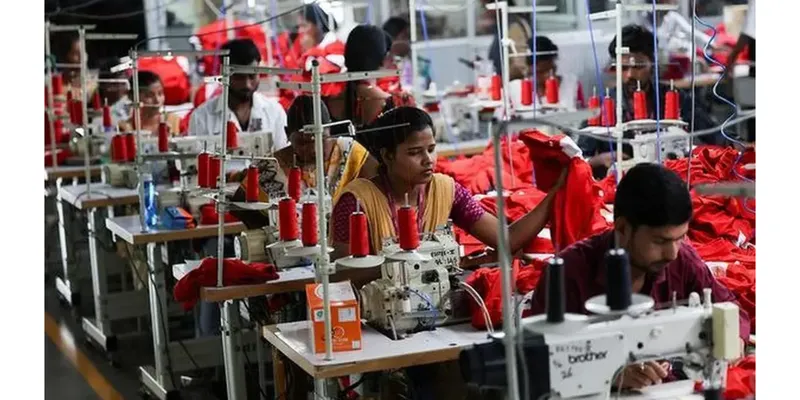
Production disruptions in Bangladesh prompt global buyers to explore alternative sourcing destinations, while Tiruppur exporters face capacity and scalability challenges
Garment exporters in Tiruppur are looking to secure additional international orders as labour unrest and factory shutdowns disrupt Bangladesh's ready-made garment industry. Although the developments could create sourcing opportunities for Indian manufacturers, industry representatives say the ability to fulfil large orders consistently will depend on production capacity, pricing, quality and delivery performance.
Bangladesh Production Disruptions Open Sourcing Opportunities for Tiruppur
Tiruppur's garment manufacturing sector is exploring opportunities to attract orders from Bangladesh as minimum wage protests and labour-related disruptions affect production in the neighbouring country. International buyers are reportedly considering alternative sourcing destinations amid concerns over manufacturing interruptions.
Bangladesh exports more than $45 billion worth of ready-made garments annually, compared with India's $16 billion, and remains a major competitor to India in markets such as the US and the UK. Tiruppur contributes nearly half of India's garment exports. Bangladesh also maintains a significant competitive advantage over India, particularly in cotton-based products.
Industry sources believe recurring wage-related protests could encourage international brands to diversify their sourcing networks, potentially benefiting Indian exporters.
The Bangladesh Garment Manufacturers and Exporters Association informed a news agency that the unrest had resulted in industry losses of nearly $428 million, while orders worth $254 million had moved to other countries.
Exporters Anticipate Increased Orders
Tiruppur Exporters' Association President KM Subramanian expressed expectations of additional business opportunities arising from the situation in Bangladesh.
“Yes, we are expecting good orders for Tiruppur,” he said.
Subramanian also pointed to changes in US tax structures and tax-free trade arrangements with European countries as factors creating opportunities for Indian exporters. According to him, major brands from the UK and Europe were exploring sourcing options in Tiruppur and identifying exporters capable of handling large orders.
“If Tiruppur secures even 1 per cent of Bangladesh’s orders next year, it will become totally self-sufficient,” Subramanian told businessline.
Production Capacity Remains a Key Challenge
Apparel Export Promotion Council (AEPC) Chairman A Sakthivel also indicated that Tiruppur exporters could benefit from the developments affecting Bangladesh's garment industry.
However, industry representatives highlighted limitations in India's ability to absorb and execute large volumes of diverted orders.
Kumar Duraiswamy of the Tiruppur Exporters' Association said the opportunity would depend on whether Indian manufacturers could meet international buyers' operational and sourcing requirements.
“Disruption in Bangladesh is an opportunity for Tiruppur. However, at present, the Indian textile industry’s ability to capture it at scale remains limited,” he said.
He further noted that establishing long-term business relationships would require manufacturers to maintain consistency across production capacity, quality, cost, lead time, compliance and reliability.
Bangladesh Raises Minimum Garment Worker Wages
Meanwhile, Bangladesh announced a 36 per cent increase in the minimum monthly wage for garment workers on Wednesday, raising it from $100 to $136. The decision followed weeks of widespread protests that had resulted in factory closures and production disruptions.
Bangladesh, the world's second-largest garment exporter after China, has experienced violent worker protests demanding higher wages since October.
For Tiruppur, the developments present a potential opportunity to attract international sourcing orders. However, the extent to which Indian exporters can benefit will depend on their ability to meet buyers' requirements and handle additional production volumes.