The Silent Revolution in Comfort with How Breathable Textile Market Is Redefining Everyday Performance
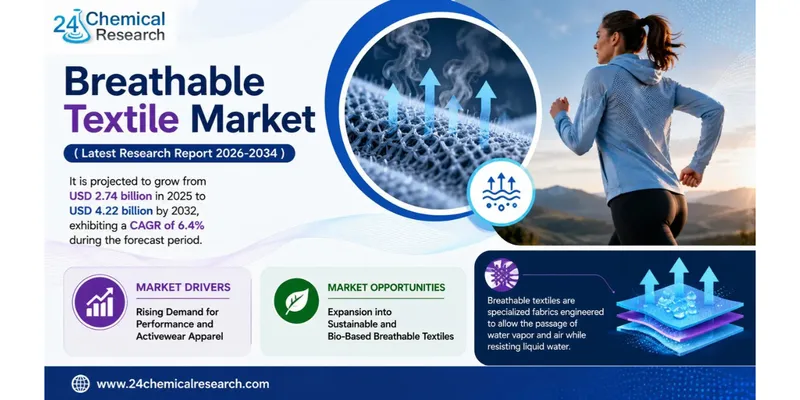
The textile industry is undergoing a transformation where comfort, climate adaptability, and sustainability are becoming as important as fashion and durability. Among the fastest-evolving segments, breathable textiles have emerged as a major innovation category supporting sportswear, healthcare fabrics, industrial clothing, home furnishing, military apparel, and smart wearable technologies.
Modern consumers no longer evaluate fabrics only by appearance or softness. They increasingly expect garments and textile products to regulate heat, manage moisture, improve airflow, and remain comfortable during long-term use. This shift has accelerated demand for breathable textile technologies across developed and emerging economies alike.
From moisture-wicking activewear and ventilated footwear linings to lightweight automotive fabrics and medical protective clothing, breathable textiles are becoming essential in both daily life and high-performance applications.

Consumer behaviour shifts (2025-2026);
- 55% of outdoor consumers willing to pay a premium for eco-friendly products.
- 63% demand supply chain transparency. 48% of major brands now publish full traceability reports.
- 60% of buyers research outdoor gear purchases on social media before buying.
- Patagonia's Worn Wear has kept 150,000+ items in circulation. Consumers extending gear replacement cycles, pushing brands toward durability-first design.
Understanding Breathable Textiles
Breathable textiles are engineered fabrics designed to allow the movement of air and moisture vapor while maintaining comfort and protection. These fabrics help regulate body temperature by enabling sweat evaporation and reducing heat build-up.
Breathable materials enhance airflow and wearer comfort without sacrificing durability or functionality, in contrast to conventional heavy fabrics that retain moisture.
Traditional Fabrics vs. Breathable Textile Market Innovations
Traditional Textile Materials | Modern Breathable Textile Solutions |
Trap heat and moisture during extended wear | Enable airflow and moisture vapor transfer for improved comfort |
Heavy fabric construction increases discomfort in hot climates | Lightweight engineered fabrics support temperature regulation |
Longer drying time after sweat or washing | Quick-dry technologies improve usability in active environments |
Limited flexibility for sports and performance wear | Stretchable and ergonomic fabric structures enhance mobility |
Conventional cotton blends absorb sweat and remain damp | Moisture-wicking textiles disperse sweat efficiently |
Restricted use in technical and industrial applications | Widely adopted in healthcare, defence, automotive, sportswear, and industrial sectors |
Why Breathable Textiles Are Gaining Global Attention?
The growing emphasis on wellness, fitness, outdoor recreation, and sustainable fashion has significantly expanded the adoption of breathable fabrics.
According to data published by the International Trade Centre and World Trade Organization, technical textile exports and performance apparel shipments have continued to rise globally as sportswear and functional clothing demand expands.
Asia remains one of the largest manufacturing and consumption hubs for breathable textile products, particularly in countries such as China, India, Vietnam, and Bangladesh.
Focus areas within segmentation where adoption is highest:
By Type:
- ePTFE (Fuels at highest share)
- Polyurethane
- Polyester
- Others
By Application:
- Garment (Boosts the growth for target market)
- Footwear
- Gloves
- Others
By End User:
- Sports & Outdoor Enthusiasts (Anticipated to dominate aimed market at highest)
- Military & Defense Personnel
- Industrial & Occupational Workers
- Healthcare Professionals
By Technology:
- Membrane Lamination (Expected to Grow Fast)
- Microporous Coating
- Hydrophilic Coating
- Smart & Phase-Change Technologies
By Distribution Channel:
- Specialty Retail Stores
- Online & E-Commerce Platforms (Leads the target market share)
- Direct-to-Brand (B2B Supply)
- Department & Multi-Brand Stores
In addition, you may click the following link to view the full report insights:
https://www.24chemicalresearch.com/reports/273927/global-breathable-textile-market
How Breathable Textile Technology Works?
Microfiber Engineering
Microfibers create extremely fine yarn structures that increase surface area and improve moisture dispersion. Polyester microfiber fabrics used in sportswear can dry significantly faster than conventional cotton fabrics.
Membrane-Based Technologies
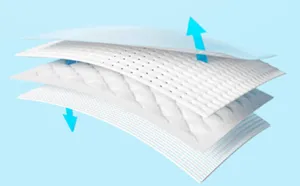
Advanced membranes allow water vapor to escape while blocking liquid penetration. These technologies are commonly used in:
Outdoor jackets | Protective clothing | Military uniforms | Medical garments
Microporous and hydrophilic membranes are widely adopted in premium breathable textile manufacturing.
Knitted and Mesh Structures
Open-knit constructions and mesh fabrics improve airflow and reduce heat retention. These are commonly found in:
Athletic wear | Running shoes | Performance uniforms | Industrial cooling garments
Bio-Based and Sustainable Fibers
Natural and regenerated fibers are increasingly being used to develop eco-friendly breathable fabrics.
Popular materials include:
- Bamboo fibre
- Lyocell
- Organic cotton
- Hemp
- Recycled polyester
- Bio-based polyamide
These materials help manufacturers align with sustainability targets while maintaining comfort performance
Follow the links provided below to view the most recent relevant reports:
Biobased Textile Membrane Market
Regional production shift of the Breathable Textile Industry
Asia Pacific
This region is considered as fastest growing at 5.55% CAGR. India, Vietnam, Bangladesh all scaling membrane-lamination capacity. Toray + MAS Holdings (Odisha) underscores India's PLI-backed ambitions.
Europe
Europe held 32.4% of 2025 volume. France's 2026 PFAS ban gave Sympatex first-mover shelf space. Germany's Monforts & Bruckner machinery enabled EU mills to pivot chemistry first.
North America
Consumers increasingly prioritize technical comfort features alongside sustainability claims. Demand in United States and Canada is largely driven by:
- Outdoor recreation industries
- Sportswear demand
- Healthcare textiles
- Defence modernization programs
Data Points Influencing Industry Expansion
- The global textile industry processes over 100 billion garments annually, creating strong demand for advanced fabric performance technologies.
- India’s textile and apparel exports crossed tens of billions of dollars in recent trade cycles, strengthening demand for value-added fabrics and technical textiles.
- Technical textiles are being adopted across more than 12 major industrial categories including healthcare, mobility, construction, agriculture, and sports applications.
- Modern moisture-management fabrics can reduce drying time dramatically compared with conventional cotton-heavy apparel systems.
- Advanced breathable membranes used in outdoor apparel may contain billions of microscopic pores per square inch, enabling vapor transmission while restricting liquid penetration.

Challenges Facing the Breathable Textile Industry
- High Manufacturing Costs
Advanced breathable membranes and engineered fabrics typically require complex coating technologies, specialized machinery, precision lamination systems, and multi-layer textile construction. These added manufacturing steps make production more technically demanding and increase costs compared with conventional textiles.
- Durability Concerns
Some breathable coatings and membranes may lose performance after repeated washing, abrasion, or chemical exposure. Maintaining long-term airflow and moisture-management efficiency remains a technical challenge for manufacturers.
Breathable Textiles and the Growing Upcoming years of Consumer Expectations
Passive textiles are giving way to intelligent, responsive, and comfort-focused materials in the coming years of textile market.
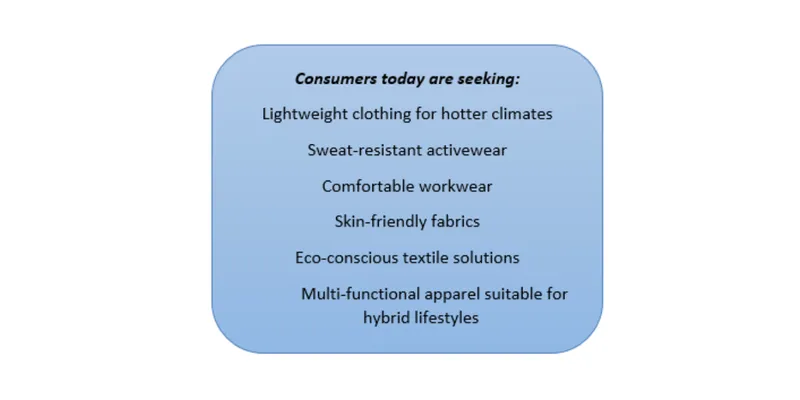
Consumers increasingly expect clothing and textile products to provide:
- Thermal comfort
- Moisture management
- Lightweight performance
- Sustainability transparency
- Multi-purpose usability
Breathable textiles are no longer limited to premium sportswear. They are becoming integrated into mainstream apparel, healthcare systems, industrial uniforms, automotive interiors, footwear, and smart wearable ecosystems.
As climate conditions become more demanding and consumer lifestyles become increasingly active, breathable fabric technologies are expected to become one of the defining pillars of next-generation textile manufacturing.
The breathable textile industry is evolving from a comfort-driven niche into a strategic innovation segment shaping the future of global textiles, sustainability, and wearable performance solutions.