The Science of Punch: How Leather Impacts Glove Performance
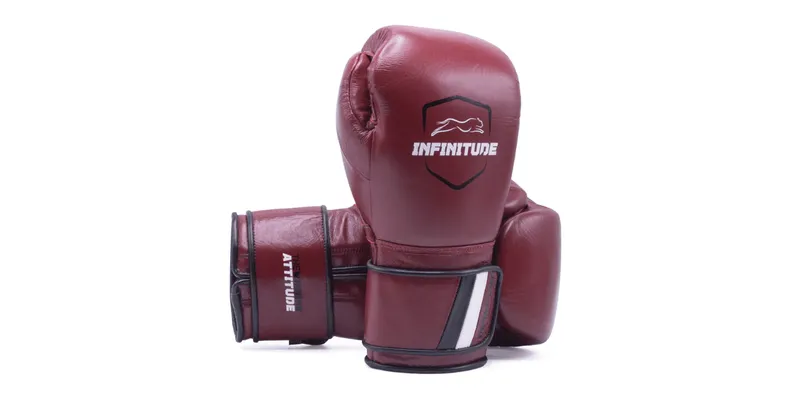
Leather directly affects glove performance by determining durability, flexibility, shock absorption, and hand comfort during impact. The type of leather used for manufacturing boxing gloves controls how long the glove lasts, how it behaves during punches, and how well it protects both the fighter and their opponent.
The outer shell of a glove influences longevity, tactile feedback, punch transfer efficiency, and hand fatigue over time. Glove leather serves as both armor and conductor, transmitting force, cushioning impact, and maintaining glove structure. These effects become more noticeable depending on the type of leather used.
How Do Different Leathers Influence Performance in Martial Arts?
Leather shapes the outcome of a punch. It connects craftsmanship to combat, influencing every strike from speed to shock distribution. The quality, source, and finish of the leather decide how the glove holds up over time and under pressure.
1. Cowhide Leather
Cowhide remains the preferred leather in professional gloves due to its strength and structure. It provides lasting endurance, enabling the gloves to handle heavy sparring, pad work, and extended sessions without wearing out quickly. For athletes seeking customized boxing gloves, cowhide offers the perfect blend of durability and support, ensuring that personalization doesn’t compromise performance.
Key Characteristics:
- Strong resistance to tearing
- Holds shape under force
- Balanced flexibility with firm padding
- Adapts over time without losing support
Scientific Note: Cowhide's fiber alignment contributes to higher tensile strength and abrasion resistance, often reflected in performance-based equipment like protective sports gear.
2. Goatskin Leather
Goatskin is softer and more pliable. Its flexibility benefits fighters focused on speed and precision. This leather type suits training gloves, where comfort matters. Though less firm than cowhide, it allows smoother control and easier glove adjustment.
Key Characteristics:
- Lightweight, ideal for fast combinations
- Breathable, reducing sweat buildup
- Quick to break in
- More natural hand movement
Structural Observation: Goatskin’s tighter grain and higher natural oil content offer greater softness and water resistance, though less rigidity.
3. Buffalo Leather
Buffalo leather is known for its grainy surface and raw toughness. Buffalo is tougher to break in, but it lasts through high-intensity sessions. It benefits fighters needing strong external support around the knuckles.
Key Characteristics:
- Heavier feel, adding power to the punch
- Extremely durable
- Offers a firm grip on the wrist and knuckle area
- Suitable for heavy bag training
Technical Insight: Buffalo hide has a more irregular grain and thicker epidermis, offering strength at the cost of flexibility.
4. Synthetic Leather (PU and PVC)
Synthetic options cost less and are commonly used in beginner gloves. PU (Polyurethane) and PVC (Polyvinyl Chloride) are the two main types. Though visually similar to real leather, synthetics lack the same resilience. They serve as a short-term choice for new boxers or cardio-based training.
Key Characteristics:
- Less breathable
- Wears out faster with regular use
- Limited flexibility
- Easy to clean
Research Insight: A study found that PU coatings degrade in strength when exposed to moisture and repeated stress, conditions typical in boxing glove use, making them less reliable for long-term or intense training.
How Leather Affects Key Aspects of Glove Performance?
Leather plays a key role in how gloves perform during training and sparring. Its natural strength, flexibility, and breathability improve comfort, control, and durability.
Punch Feel and Control
Natural leather improves grip and wrist control. As the glove bends with the hand, it offers a tighter, more secure punch. The surface of high-grade leather also reacts better to contact, especially on pads or heavy bags.
Shock Absorption
Well-treated leather supports the padding beneath. It helps maintain even pressure distribution across the fist and wrist. Durable leather holds the inner foam in place longer, reducing the risk of injury over time.
Breathability and Sweat Control
Natural pores in cowhide and goatskin allow better airflow. This reduces moisture buildup inside the glove, making the interior less slippery and more hygienic. Sweat trapped in synthetic gloves may lead to odor and bacteria growth faster.
Break-in Time
High-quality leathers may feel stiff at first, but mold gradually to the shape of the user's hand. This personalized fit increases control during sparring. Synthetics tend to stay stiff or lose structure altogether, never fully adapting.
Comparison Table: Leather Types in Boxing Gloves
Tanning and Finishing Processes That Enhance Leather Glove Performance
Not all cowhide or goatskin performs the same. The leather's treatment during the tanning process affects softness, strength, and moisture resistance.
- Oil-tanned leather offers extra flexibility and faster break-in
- Chrome-tanned leather resists wear better and feels firmer
- Hand-finished leather improves grip and overall comfort
Premium glove brands often highlight their tanning methods and manufacturing details with carefully selected, expertly finished leather built for lasting performance.
Final Thoughts
When choosing boxing gloves, understanding the leather makes a clear difference. Glove construction starts with leather, and every detail from its type to its treatment affects the punch. Natural leather, like cowhide or goatskin remains the gold standard for performance and longevity. Synthetic versions may serve beginners, but will fall short under real pressure.
A punch is only as good as the glove delivering it, and that glove is only as good as the leather wrapped around your knuckles.