The Illusion of Touch: Design Visuals that Audiences Can Almost Feel with AI
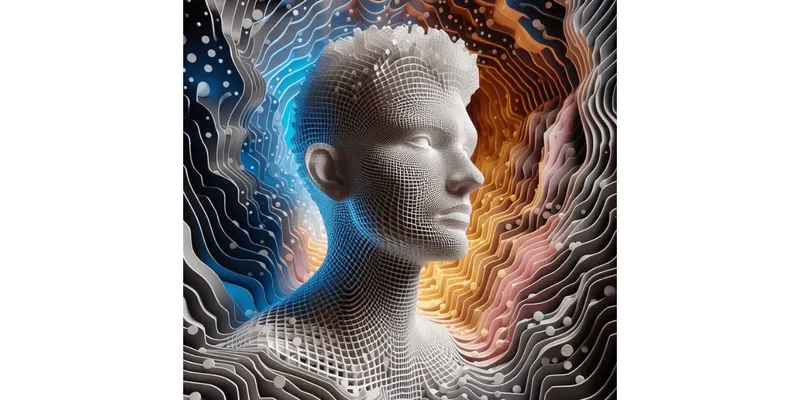
There's a silent revolution going on in visual design — one that you can't see, but feel. Campaigns are no longer based on visuals that are just pretty; they now set out to touch. Smooth gradients that melt like velvet, embossed fonts that invite tracing, and textures that whisper against your fingers — the border between visual and touch has started to blur.
With Dreamina and its AI photo generator engine, designers are now starting to mold these sensory simulations in digital space. The flatness of the screen is no longer a constraint but a surface for the simulation of texture, where pixels can imply fur, silk, or even static electricity. We are on the cusp of an era when seeing and touching will be almost indistinguishable.
When texture tells a story
Texture in design isn't decor — it's feeling masquerading as surface. These illusions are used by brands to evoke sensory memory: the glassy cold of perfume bottles, the cottony pull of denim, the fuzzy warmth of cotton. These textures form memory anchors for the viewer.
A poster with soft gradients caresses and feels intimate. A metallic sheen over a product image gives it weight and sophistication. Designers have found that the concept of touch can sometimes be greater than the touch itself.
This turnaround has altered the behavior of visual campaigns. Rather than shouting to get attention, they whisper to the senses — and audiences simply can't look away.
Why we reach for the screen
The psychology of this visual touchiness is compelling. Human minds don't keep sight and touch quite as separate as we imagine. When we see something fuzzy, our hands tingle to verify it. That's why a fuzzy blanket ad copy feels cuddly even through a phone screen, or why a shiny sneaker poster appears to glimmer in front of your eyes.
Contemporary campaigns rely on this cross-sensory deceit — creating textures that engage the imagination. They get you reaching out, not because you want to click, but because you want to touch.
The digital intimacy of textures
Markets adopting tactile illusions aren't just after aesthetic newness — they're after presence. When you can get someone to sense your brand through vision alone, you cross the physical divide of digital media.
These are some of the ways tactile illusion is transforming design:
- Soft distortion: Fuzzy or blurred gradients simulate depth, implying touch without actual texture.
- Embossed typography: Subtly lit 3D lettering creates the illusion of raised surfaces.
- Micro-shadows: Intentionally small shadows between planes mimic fabric wrinkles or skin pores.
- Material mimicry: Designers replicate surfaces such as brushed metal, suede, or frosted glass through light play.
Each trick engages the brain’s sensory wiring, pulling emotion out of static visuals.
Sculpting digital tactility with Dreamina
Dreamina’s design intelligence is made for this - to allow for sensations that transcend the visible. Its text-to-visual method provides designers the ability to create textures that transcend the basic idea of a material utilized in a design. You're not drawing furs, you're calling upon the memory of fur. You're rendering silk, you're calling upon it.
With Dreamina, tactility becomes a design language — a language that can transition from surreal softness to metallic sharpness with a few well-chosen words.
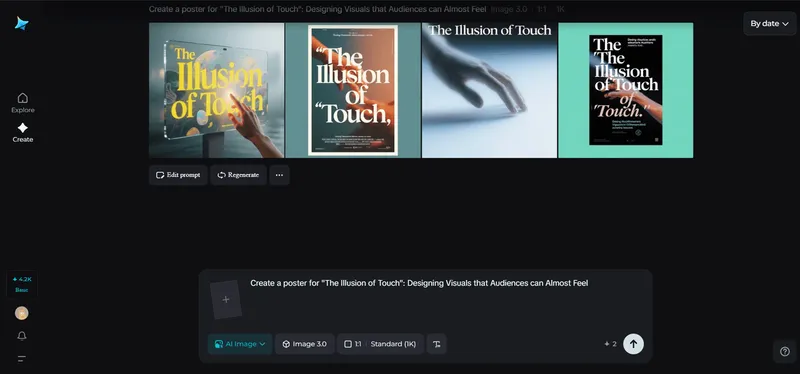
Step 1: Enter a text prompt
Go to Dreamina and begin by writing a descriptive text prompt that describes texture and feeling. Don't think color or shape — think touch and mood.
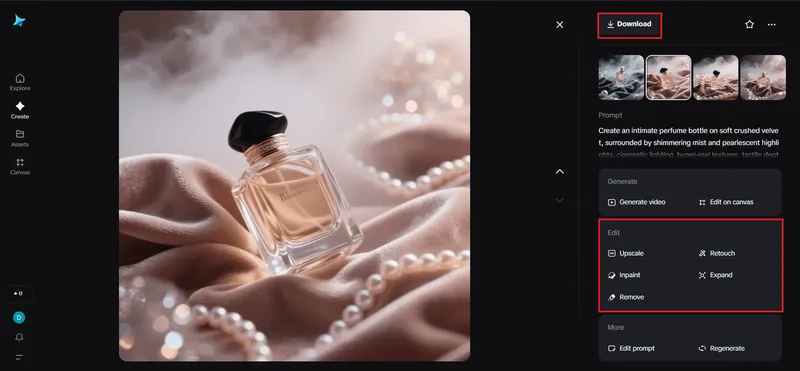
For instance: An intimate perfume bottle on soft crushed velvet, surrounded by shimmering mist and pearlescent highlights, cinematic lighting, hyper-real textures, tactile depth, elegance and dreaminess.
This instructs Dreamina to favor sensory realism — that which is almost physical. It's not simply about the visible, but about the felt through the eyes.

Step 2: Refine parameters and create
Choose your preferred model, select a size that suits your composition (square for products, vertical for posters), and size and resolution-adjust — 1K for concept art or 2K for production-quality images. Now, click on Dreamina's icon to create. Dreamina translates prompts as a sensory interpreter, bringing your writing into rich tactility — glossy borders, fuzzy gradations, embossed silhouettes — visual textures that pulse under illumination.

Step 3: Customize and save
Once your tactile illusion is complete, you'll want to finish it with Dreamina's tools. Inpaint the tactile illusion to improve texture details, expand to include the texture in a larger scene, remove to eliminate visual clutter, and you may want to retouch to darken highlights and/or deepen shadows for dimension and feel. After that, click Download to retrieve your artwork. What you'll have is not only a design—the tactile illusion piece is a digital artifact that fools the skin through the eyes!
The advent of sensory branding
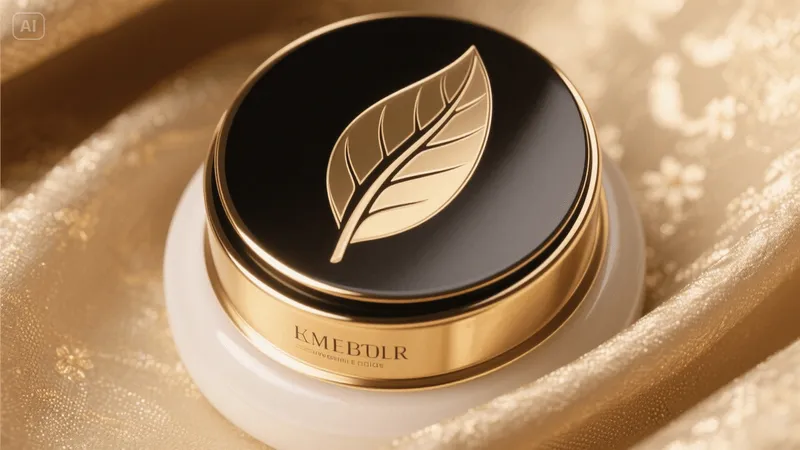
During the era of tactile design, a two-dimensional logo seems too removed. Brands are venturing into textures that match their voice tone — rough, plush, smooth, or even papery. This is where Dreamina's AI logo generator is an unspoken partner in crime. Rather than static logos, it assists brands in developing textured identities — debossed wordmarks for luxury, holographic sheen for technology, or woven textiles for sustainability.
Texture turns into tone. Your audience won't actually touch your logo, but they sense what it represents.
The sensory range of campaigns
Tactile illusion isn't limited to high-end design. Quick-moving consumer brands, wellness startups, and even event marketers are leveraging texture as emotional shorthand. Images that appear touchable equate to trustworthy.
For example:
- Food commercials with matte-finish lighting make food appear homemade.
- Skincare imagery focuses on softness and diffusion to bring on comfort.
- Tech posters employ brushed-metal gradients to convey precision.
These aren't arbitrary effects — they're emotional design techniques that connect brand message to sensory experience.
Editing reality to feel realer than real
Each texture illusion demands subtlety. Do it too much, and it's fake; do it too little, and no one notices. That's where precision tools — such as Dreamina's AI image editor — enter the equation. Designers can refine tactile balance: smoothing when needed, adding controlled blur, or sharpening light edges for convincing surface depth.
An image editor bridges art and science — refining sensory illusions so they resonate subconsciously and not loudly advertise themselves.
Textures that hear feeling
Pictures that modify their face in response to the viewer's state of mind. A potential campaign could matter when customers are relaxed and glossy when busy. With emergent AI design systems, that future is near.
Dreamina's adaptive text-based process already suggests it — you can define an emotional texture and watch it take shape visually—soft joy, rough honesty, slippery desire — all translatable through surface quality.
This is the new empathy in design: visuals that feel like they know you.
Tactile imagination and the beauty of illusion
It's what makes tactile vision so compelling because it reminds us of human-ness. Amidst a virtual world of glass surfaces and thumbs-scrolling frantically, the illusion of touch reconnects us with material experience. We hunger for friction, texture, the feel of surface under our hands — and design provides that back, one illusion at a time.
Dreamina assists artists in re-capturing that feeling — not by copying reality, but by suggesting it. By way of language, texture, and light, it allows us to infuse emotional tactility into pixels.
And the next time you create, don't only consider what your viewers will see. Consider what they'll sense. Will your picture whisper like velvet or sing like chrome? Dreamina provides the means to discover, making the visual tangible dreams.