The Eco-Belt: A Metal-Free, Biodegradable Travel Revolution India Must Lead
Ram Ramprasad
Summary
In 2024, over 4.7 billion people flew globally—each one navigating the same minor but frustrating routine: removing belts at airport security. What if this seemingly small inconvenience could unlock a powerful shift toward sustainable fashion and climate-friendly travel? By combining metal-free biodegradable buckles with India’s plant-based leather alternatives, startups have a unique chance to create a product that offers both traveller convenience and planetary healing. Yet, this opportunity remains largely untapped. This essay lays out why Indian startups are ideally placed to lead this global movement—and how bold branding, smart materials, and visionary design can turn the humble belt into a breakthrough product. The Eco-Belt is not just an accessory; it could become a symbol of India’s leadership in sustainable innovation.
The Problem: A Daily Travel Hassle with Hidden Costs
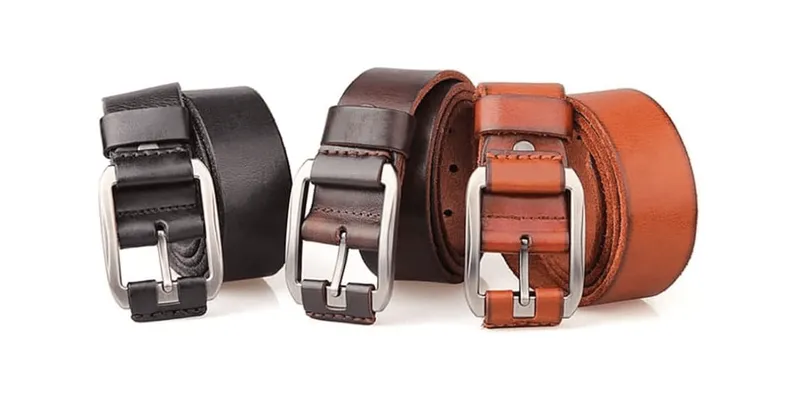
Every traveller has experienced the hassle at airport security: fumbling to remove a belt while holding a boarding pass, balancing a laptop tray, and trying to keep clothing in place. Multiply that moment by millions of travellers every day, and you begin to see the scale of this small but persistent issue. Few travellers are aware that metal-free belts exist. Fewer still know they could be made biodegradable, cruelty-free, and stylish. Most continue to wear belts with metal buckles and polluting leather, unaware that better alternatives already exist—but remain disconnected.
Leather: Fashion’s Dirty Secret
Leather belts remain a global wardrobe staple—but their environmental cost is high. Leather tanning uses toxic chromium salts, often dumped into rivers and groundwater, harming both ecosystems and communities. The process is energy-intensive, water-wasteful, and deeply linked to animal exploitation. India, as one of the largest leather producers in the world, bears much of the environmental and ethical burden. But it also holds the potential for radical reinvention. Properly treated leather waste can be hydrolysed into nitrogen-rich organic fertiliser, turning a pollutive material into a resource for regenerative agriculture. If scaled, this transformation could enrich Indian soils and provide an ethical and profitable path for leather manufacturers.
A New Material Revolution in India
India is a global leader in developing leather alternatives using agricultural and industrial waste. Startups are already pioneering this space. Malai Biomaterials in Kerala produces bacterial cellulose leather from coconut water. Banofi Leather in Kolkata transforms banana stem waste into durable alternatives. PHOOL.co in Varanasi recycles flower waste from temples into “Fleather.” Others, like Avinya and Ecopelle, are exploring materials derived from algae, straw, and other bio-waste streams. Globally, lab-grown leather companies like Modern Meadow (USA) are fabricating cruelty-free leather from yeast and collagen. India has both the bio-resource base and scientific talent to build on this innovation. Yet, belts—one of the most common leather products—have seen almost no attention from this new wave of sustainable materials.
The Missing Piece: Metal-Free, Biodegradable Buckles
Most belt buckles are made from metal—typically zinc, aluminium, or stainless steel. These trigger airport scanners and are difficult to recycle. But alternatives now exist. Biodegradable composites derived from plant-based polymers, fungal mycelium, or compressed agricultural fibre can match the durability of metal buckles without their downsides. These eco-buckles do not trigger scanners, are lightweight, and decompose naturally—unlike their metal or plastic counterparts. The technology is ready. What’s missing is integration.
The Missed Opportunity: The Eco-Belt Doesn’t Yet Exist
Despite India’s innovation in bio-leather and eco-composites, no one has yet merged these materials into a truly sustainable, metal-free travel belt. This is not a materials problem—it is a vision and execution gap. The elements are available. The market is ready. What’s needed is a startup bold enough to integrate sustainable materials into one cohesive product: a stylish, airport-friendly belt that travellers can wear with pride.
Marketing Matters: Awareness Is the Missing Link
Even where metal-free belts are available, they are marketed narrowly—often as niche products for those with metal allergies or for use by security personnel. They lack mass appeal and fail to tell a compelling story. To succeed, the Eco-Belt must be marketed as a modern, sustainable travel essential. Its story should be centred on fashion, convenience, and climate impact. Variations can include formal, casual, youth-focused, and luxury lines. Strategic collaborations with airports, airlines, influencers, and fashion designers can create visibility. A multi-channel marketing push—across media, social platforms, and retail—will be key to mainstream adoption. As environmentalist Nanditha Krishna has said, “We must replace extractive fashion with regenerative design—what we wear should heal, not harm.” The Eco-Belt can be the face of that transformation.
The Global Opportunity: Why India Must Lead
The global market is ripe for a stylish, metal-free, biodegradable belt—especially as travelers and consumers demand sustainable, ethical alternatives. India is uniquely positioned to lead:
- A robust startup ecosystem
- Abundant agricultural and leather waste
- A growing bioeconomy
- Recognition as a leader in sustainable textiles and materials science
All that’s needed is for one startup to integrate these components—and bring the Eco-Belt to life. Conclusion: A Small Product, A Massive Shift The belt is a simple item—but simplicity is often where large-scale change begins. Indian startups have the opportunity to deliver relief to travellers, healing to the planet, and recognition to India’s sustainable design community. The components are ready. The technology is proven. The market is waiting. What remains is the will to act—and the courage to lead.