The Director's Toolkit: Controlling Camera Movements in Seedance 2.0
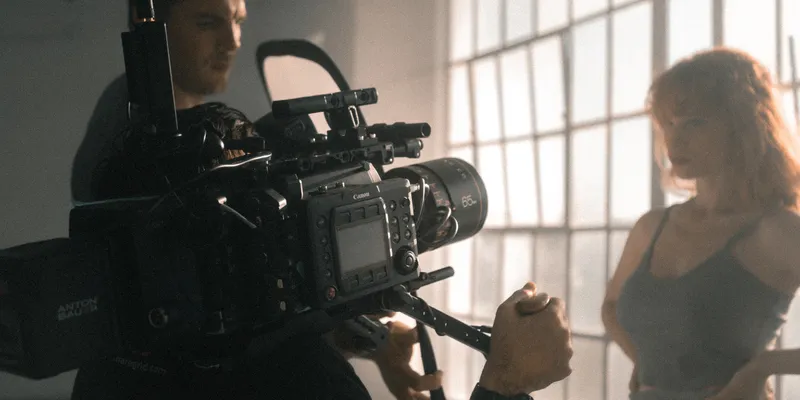
Cinematography transforms simple visual recording into expressive storytelling. The camera isn't merely a passive observer capturing events but an active narrative participant guiding viewer attention, creating emotional resonance, and shaping how audiences experience stories. Professional directors spend years mastering how camera positioning, movement, and framing choices influence emotional impact and narrative clarity. These skills traditionally required not just understanding cinematic principles but also coordinating crews, operating equipment, and executing complex technical setups that translated creative vision into actual footage.
AI video generation fundamentally changes this relationship between cinematographic knowledge and technical execution. Understanding camera language remains essential, but physically controlling cameras, coordinating crew, or managing complex technical setups becomes unnecessary when Seedance 2.0 can translate descriptive direction into sophisticated camera work. This democratization doesn't diminish the value of cinematographic expertise—it amplifies its accessibility, allowing creators with strong visual sensibilities to achieve professional camera work without requiring years of technical training or expensive equipment.
The Language of Camera Movement
Every camera movement carries implicit meaning that audiences read unconsciously based on a century of cinematic convention. A slow push-in toward a subject intensifies focus and often signals growing importance or emotional intensity. Pulling back reveals context and can create feelings of isolation, vulnerability, or insignificance as subjects diminish within expanding frames. These associations aren't arbitrary but have been established through countless films conditioning audiences to interpret camera movements as narrative signals.
Understanding this movement vocabulary transforms how creators approach direction. Rather than thinking "I want the camera to move forward," effective direction considers what emotional or narrative purpose that movement serves. Are you building tension as danger approaches? Focusing attention on crucial details? Creating intimacy with a character? The purpose determines not just that the camera should move but how fast, how steady, and exactly what the movement reveals or conceals along the way.
Lateral camera movements—pans, tracking shots, and dolly slides—serve different purposes than movements along the depth axis. Panning across a scene reveals information progressively, controlling what audiences see and when they see it. This sequential revelation can build anticipation or create surprise as the camera reaches significant elements. Tracking shots following subjects through space create momentum and energy while maintaining focus on moving subjects. The smoothness or shakiness of these movements further modulates their emotional impact, with steady movements feeling controlled and deliberate while handheld instability creates urgency or realism.
Vertical camera movements receive less attention but carry distinct meanings. Craning up from subjects often suggests ascension, achievement, or expanding scope. Descending movements can create feelings of descent into danger, intimacy, or confinement. These vertical shifts change perspective in ways that horizontal movements don't, adding dimensional complexity to cinematographic storytelling when used purposefully.
Static Framing as Deliberate Choice
The absence of camera movement deserves recognition as equally meaningful choice rather than default option. Static framing creates stability, allows careful composition, and focuses attention on subject movement and performance rather than camera choreography. Some of the most powerful cinematic moments involve locked-off cameras observing dramatic action without distraction from camera movement. The key distinction is between passive static framing—simply not moving the camera—and active static framing as deliberate artistic choice.
Static framing particularly suits contemplative moments, allowing audiences to absorb visual information and emotional subtext without camera movement directing attention forcefully. Wide static shots establish environment and geography, letting viewers explore the frame rather than being guided through it. Close-up static shots create intimacy and focus on emotional nuance in performance. These frame choices work best when the composition itself creates visual interest through subject positioning, lighting, depth, and internal frame movement.
The decision between static and moving camera work often depends on where you want attention focused. Movement naturally draws eyes, making it effective for directing attention but potentially distracting from other elements. Static framing allows multiple focal points within frames, trusting audiences to explore visually and discover important elements. Neither approach is universally superior—effective cinematography involves choosing appropriate techniques for specific narrative and emotional requirements.
Describing Camera Work for AI Generation
Translating cinematographic vision into text descriptions that AI systems interpret correctly requires understanding what language effectively communicates camera concepts. Professional cinematographic terminology—dolly, crane, pan, tilt, tracking—provides precise vocabulary that Seedance 2.0 recognizes and interprets appropriately. Using this established language rather than generic descriptions like "camera moves forward" improves consistency and predictability of results.
The specificity of movement descriptions impacts generation quality significantly. "Slow dolly in on character's face" communicates more clearly than "camera gets closer." Including pace qualifiers—slow, steady, rapid, smooth, sudden—helps the model generate movements matching your vision. Direction specifications—"dolly in," "crane up," "pan left to right"—provide clarity about movement type and direction. The more precisely you describe intended camera work, the more reliably the model executes your vision.
Combining camera work descriptions with emotional or narrative context often produces better results than purely technical direction. Rather than just "tracking shot following character," try "urgent tracking shot following character as they rush through corridor." The emotional modifier helps the model understand not just what movement should occur but the feeling it should convey, influencing not just camera mechanics but how the movement integrates with pacing, subject performance, and overall tone.
The relationship between camera work and subject framing requires coordination in descriptions. Specifying both camera movement and how subjects should be framed—"slow push-in maintaining medium shot on character"—ensures the model understands both the technical camera work and the compositional goal. Without this coordination, camera movements might drift toward or away from subjects unexpectedly, undermining intended framing choices.
Complex Camera Choreography
Single simple camera movements form the foundation, but sophisticated cinematography often involves sequences of different movements creating complex camera choreography. Seedance 2.0's multi-shot capability within sequences enables choreographing varied camera work across a single piece, creating visual dynamism that single-movement approaches can't achieve.
Shot transitions become opportunities for camera relationship changes. Starting with wide establishing shots then cutting to close-ups creates classic coverage patterns that guide attention from context to detail. Beginning with static framing then introducing movement creates contrast that makes the movement more impactful. These transition strategies from traditional cinematography translate effectively to AI generation when described clearly.
The narrative pacing established through camera work variations shapes how audiences experience sequences. Rapid camera movements or quick cutting between different angles creates energy and urgency. Slow deliberate movements or sustained shots create contemplation and allow emotional absorption. Seedance 2.0's ability to vary camera work within sequences enables pacing control through cinematographic choices rather than just editing.
Matching camera work to action or emotion in scenes requires thinking about how camera behavior supports or contrasts with subject behavior. When subjects move frantically, steady controlled camera work can create dramatic irony or emphasize chaos through contrast. Conversely, matching camera energy to subject energy reinforces and amplifies emotional intensity. These choices about camera-subject relationships shape audience emotional experience substantially.
Common Mistakes and How to Avoid Them
Several predictable errors plague creators learning to direct camera work for AI generation. One frequent issue involves over-complicating camera movement descriptions, trying to specify every nuance of complex choreography in single prompts. This typically produces confused results that partially implement some elements while missing others. Breaking complex camera work into separate shots with simpler individual movements often works better than attempting elaborate choreography in single generations.
Another common mistake involves requesting camera work inappropriate for the scene's emotional tone or narrative purpose. Dramatic sweeping movements might undermine intimate character moments that need subtle static framing. Aggressive rapid movements can overwhelm contemplative scenes requiring space for emotional absorption. Ensuring camera work choices serve story and emotion rather than merely showing off technical capability improves overall effectiveness.
Inconsistent camera style within pieces creates jarring experiences unless deliberately used for effect. Mixing handheld instability with smooth stabilized movements, or combining multiple distinct cinematographic styles without clear reason for the variations, often confuses audiences rather than engaging them. Maintaining consistent cinematographic approach—or making deliberate clear choices about when and why style shifts—creates more coherent viewing experiences.
Neglecting the relationship between camera work and editing rhythm represents another pitfall. Even well-executed individual camera movements can feel disconnected if they don't flow together with appropriate pacing. Thinking about how shots will sequence and ensuring camera work in each shot supports the overall rhythm creates more satisfying complete sequences than optimizing individual shots without considering their relationships.
Developing Your Cinematographic Voice
Mastering camera work direction ultimately serves developing distinctive cinematographic style that becomes recognizable signature of your work. Some directors favor static compositional elegance, others prefer dynamic kinetic energy. Some emphasize smooth controlled movements, others embrace instability and spontaneity. There's no universally correct approach—effective cinematography serves your specific creative vision and the particular demands of content you're creating.
Experimentation remains essential for developing personal style. Trying different camera approaches for similar content reveals what resonates with your sensibilities and what audiences respond to in your work. Some techniques that seem appealing in theory might not produce the emotional impact you want in practice. Others that seem conventional might become powerful tools when you discover how to deploy them effectively for your purposes.
The accessibility of sophisticated camera work through AI generation removes technical barriers that previously prevented experimentation. Without needing to coordinate crews or operate complex equipment, you can attempt elaborate camera choreography, test unconventional angles, or explore ambitious movements that would be risky or expensive with traditional production. This freedom to experiment accelerates developing cinematographic expertise because you can try more approaches more quickly than traditional production allows.
The journey from understanding camera work conceptually to directing it effectively for AI generation requires patience and practice. Early attempts might not match your vision, but each generation teaches what descriptions work and what refinement improves results. Over time, you develop intuition about how to communicate cinematographic intent effectively, transforming Seedance 2.0 from tool you're learning to operate into extension of creative vision that executes your directorial choices reliably. That mastery opens creative possibilities that blend technical accessibility with artistic sophistication in ways that fundamentally expand what individual creators can achieve.