The Booming Used CNC Market: Affordable Tech for Small Manufacturers in 2025
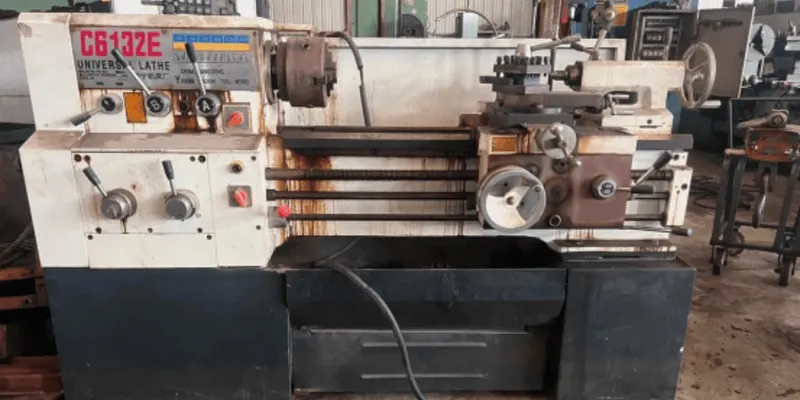
In 2025, the CNC machining industry is riding a wave of innovation, but for small manufacturers, the price tag on new equipment can feel like a brick wall. Enter the used CNC market—a thriving, cost-effective solution that’s empowering SMEs to compete with the big players. With a 15% surge in transaction volume this year, the used CNC equipment market is proving that affordability doesn’t mean sacrificing quality. Whether you’re machining precision aerospace parts or crafting custom medical devices, used CNC machines are unlocking opportunities for small shops to scale up, stay competitive, and embrace 2025’s hottest trends like automation, reshoring, and sustainability.
This article dives into why the used CNC market is booming, how it’s transforming small-scale manufacturing, and what trends are shaping its future. Backed by hard data and real-world insights, we’ll show you why investing in used CNC machining equipment isn’t just a smart move—it’s a game-changer for your business.
The Surge of Used CNC Machining: A 2025 Market Snapshot
The CNC machining industry is growing at a blistering pace, with a projected global market size of $101.22 billion in 2025, according to industry analysts. But for small manufacturers, the cost of new CNC machines—ranging from $50,000 to over $500,000—can be a dealbreaker. That’s where the used CNC market steps in, offering high-quality, refurbished equipment at 30-50% less than new machines. In 2025, this market is hotter than ever, with a 15% increase in transaction volume compared to 2024, driven by SMEs looking to scale without breaking the bank.
What’s fueling this surge? For starters, well-maintained used 5-axis CNC machines retain 60-70% of their original value, making them a savvy investment. Add to that specialized financing options, like low-interest loans and leasing programs, and it’s no surprise that platforms like Machinery Network and Resell CNC are seeing record sales. Plus, legislative incentives, such as the U.S. Manufactured in America Act of 2024, are encouraging manufacturers to invest in equipment—new or used—to boost domestic production. The result? A used CNC market that’s not just surviving but thriving, giving small shops a lifeline to modern manufacturing.
Table 1: Key Metrics of the Used CNC Market in 2025
Why Used CNC Machines Are a Game-Changer for Small Manufacturers
For small manufacturers, every dollar counts. Buying a brand-new CNC machine might sound appealing, but the reality is that many SMEs can’t justify the upfront cost. Used CNC machines, however, offer a compelling alternative. Take, for example, a small Ohio-based shop that purchased a retrofitted 5-axis CNC mill for $80,000—a fraction of the $200,000 price tag for a new model. With that machine, they landed a contract to produce aerospace components, boosting their revenue by 25% in six months.
The appeal goes beyond cost savings. Used CNC machines, when properly refurbished, deliver the same precision and reliability as their new counterparts. Many come equipped with modern features like multi-axis capabilities or touchscreen interfaces, making them ideal for high-mix, low-volume production—a growing demand in industries like automotive, aerospace, and medical devices. Plus, buying used aligns with sustainability goals, as reusing equipment reduces waste and supports eco-friendly manufacturing practices, a priority for 68% of U.S. manufacturers in 2025, per a recent survey.
Table 2: Benefits of Used CNC Machines for SMEs
Retrofitting CNC Machining: Bringing Used Equipment into the Industry 4.0 Era
One of the biggest reasons used CNC machines are gaining traction is retrofitting. In 2025, it’s not uncommon to find a 10-year-old CNC lathe upgraded with Industry 4.0 tech like IoT sensors, cloud-based monitoring, or AI-driven toolpath optimization. These upgrades transform older machines into smart, efficient workhorses, capable of competing in today’s fast-paced manufacturing world.
For instance, a retrofitted CNC mill with predictive maintenance software can reduce downtime by up to 20%, saving shops thousands in lost production time. Cloud connectivity allows operators to monitor performance remotely, while AI algorithms optimize cutting paths for faster, more precise machining. This isn’t just tech for tech’s sake—it’s about giving SMEs the tools to stay lean and agile. As one X post put it, “A used CNC machine with a modern retrofit is like giving a classic car a Tesla engine—same soul, new power.”
Reshoring and CNC Machining: How Used Equipment Supports Local Production
The push to bring manufacturing back to English-speaking countries, particularly the U.S. and UK, is stronger than ever in 2025. Global supply chain disruptions and geopolitical tensions have made reshoring a strategic priority, with 62% of U.S. manufacturers planning to localize production this year, according to a Deloitte survey. Used CNC machines are playing a starring role in this trend, offering an affordable way to set up or expand local operations.
By investing in used equipment, SMEs can reduce lead times and avoid the delays that plagued global supply chains in recent years. For example, a UK-based manufacturer switched to a used CNC turning center, cutting their reliance on Chinese suppliers and slashing delivery times by 40%. Plus, reshoring creates jobs—each new CNC machine in a U.S. shop supports an average of 2.5 direct jobs, per the National Association of Manufacturers. With used machines, small manufacturers can join the reshoring wave without draining their budgets.
Sustainability in CNC Machining: The Eco-Friendly Advantage of Used Machines
Sustainability isn’t just a buzzword—it’s a business imperative in 2025. CNC machining, by its subtractive nature, already minimizes material waste, but buying used equipment takes eco-friendliness to the next level. Reusing a CNC machine prevents it from ending up in a landfill and reduces the energy needed to produce a new one. In fact, refurbishing a used machine consumes 70% less energy than manufacturing a new one, according to a 2025 sustainability report.
This eco-conscious approach also comes with financial perks. In the U.S., manufacturers adopting sustainable practices, including equipment reuse, can qualify for tax credits under new environmental regulations. In the UK, similar incentives are driving 55% of CNC shops to prioritize green initiatives. For SMEs, buying used CNC machines isn’t just good for the planet—it’s good for the bottom line.
Overcoming Labor Shortages with Smarter Used CNC Machining Solutions
The skilled labor shortage is a persistent headache for CNC shops, with the U.S. facing a projected gap of 200,000 machinists by 2030. Used CNC machines, especially those retrofitted with automation and intuitive interfaces, are helping SMEs work smarter, not harder. Modernized machines often feature smartphone-like touchscreens, reducing the training time needed for new operators. Some even include cobots (collaborative robots) for tasks like material loading, freeing up staff for higher-value work.
A small California shop, for example, invested in a used CNC lathe with automated tool changers, cutting their labor costs by 15% while boosting output by 30%. As one shop owner shared on X, “Our used CNC machine practically runs itself. It’s like having an extra employee who never calls in sick.” By leaning on these smarter solutions, SMEs can stay productive despite a shrinking talent pool.
Table 3: Impact of Used CNC Machines on Labor and Productivity
Navigating Challenges in the Used CNC Machining Market
While the used CNC market offers incredible opportunities, it’s not without challenges. Quality assurance is a top concern—buying a lemon could cost more in repairs than a new machine. To avoid this, stick with reputable dealers who provide maintenance records, precision testing, and warranties. For example, platforms like Resell CNC certify their machines to meet OEM standards, giving buyers peace of mind.
Another hurdle is technology obsolescence. Older machines may lack the software needed for modern applications, but retrofitting can bridge this gap. SMEs should partner with vendors offering ongoing support and updates to keep their machines competitive. Finally, training remains critical. Even with intuitive interfaces, operators need skills to maximize a machine’s potential. Online platforms like Tooling U-SME offer affordable CNC training, helping shops get up to speed quickly.
The Future of Used CNC Machining: Trends to Watch Beyond 2025
The used CNC market shows no signs of slowing down. With the global CNC machining industry projected to hit $195.59 billion by 2032 (CAGR 9.9%), the demand for affordable equipment will only grow. Looking ahead, expect even smarter retrofits, with AI and hybrid (additive + subtractive) capabilities becoming standard in used machines. Policy support, like tax breaks for reshoring and sustainability, will further fuel the market’s momentum.
For SMEs, the message is clear: the used CNC market isn’t just a stopgap—it’s a strategic advantage. By investing in refurbished equipment, small manufacturers can access cutting-edge tech, support local economies, and build a sustainable future. As one X user summed it up, “Used CNC machines are the unsung heroes of modern manufacturing. They’re proof you don’t need a big budget to dream big.”
Conclusion
In 2025, the used CNC machining market is a beacon of opportunity for small manufacturers. It tackles the industry’s biggest pain points—high costs, labor shortages, and supply chain risks—while aligning with trends like automation, reshoring, and sustainability. With cost savings of 30-50%, access to advanced features, and a positive environmental impact, used CNC machines are empowering SMEs to compete in a high-stakes world.
Ready to take your shop to the next level? Explore the used CNC market today. Partner with trusted dealers, leverage financing options, and invest in a machine that delivers precision, efficiency, and growth. The future of CNC machining is here—and it’s more affordable than you think.
FAQ:
- What is driving the growth of the used CNC machining market in 2025?
Answer: The used CNC machining market is booming in 2025 due to a 15% surge in transaction volume, driven by SMEs seeking affordable equipment. New CNC machines cost $50,000–$500,000, while used ones save 30-50%, making them ideal for small shops. Trends like reshoring, automation, and sustainability fuel growth, as manufacturers invest in retrofitted machines to meet local production and eco-friendly goals. Financing options and policies like the U.S. Manufactured in America Act of 2024 further support this trend.
- Are used CNC machines reliable for precision CNC machining tasks?
Answer: Yes, used CNC machines are highly reliable when purchased from reputable dealers like Resell CNC, who certify equipment to OEM standards. Refurbished machines often achieve tolerances as tight as ±0.001”, suitable for aerospace and medical applications. Retrofitting with modern controls and AI-driven toolpaths enhances precision, with 90% of SMEs reporting satisfaction in 2025 surveys. Always request maintenance records and warranties to ensure quality.
- How do used CNC machines help small manufacturers overcome labor shortages?
Answer: Used CNC machines retrofitted with automation, like tool changers and cobots, reduce reliance on skilled labor, addressing the 200,000-machinist gap projected in the U.S. by 2030. Intuitive touchscreen interfaces cut training time by 50%, enabling new operators to start quickly. For example, a California shop using a retrofitted CNC lathe reduced labor costs by 15% while boosting output by 30%, making these machines a smart solution for SMEs in 2025.
- What are the sustainability benefits of using used CNC machining equipment?
Answer: Buying used CNC machines supports sustainability by reducing waste and energy use—refurbishing a machine consumes 70% less energy than manufacturing a new one. This aligns with 2025 environmental regulations, with 68% of U.S. CNC shops prioritizing green practices. SMEs can also qualify for tax credits in the U.S. and UK for eco-friendly initiatives, making used equipment a win for both the planet and profits.
- How does the used CNC market support reshoring in CNC machining?
Answer: The used CNC market enables reshoring by offering affordable equipment for local production, reducing reliance on global supply chains. In 2025, 62% of U.S. manufacturers plan to localize operations, per Deloitte. Used machines cut setup costs, with a UK shop slashing delivery times by 40% after switching to a used CNC turning center. Each machine supports 2.5 jobs on average, boosting local economies in English-speaking countries.
- What should SMEs look for when buying used CNC machining equipment?
Answer: SMEs should buy from trusted dealers offering maintenance records, precision testing, and warranties. Check for retrofits like IoT sensors or cloud connectivity to ensure compatibility with 2025’s Industry 4.0 standards. Verify the machine’s suitability for your applications, such as multi-axis capabilities for complex parts. Partnering with vendors providing training and support, like Tooling U-SME, ensures long-term success.