The Art of Personalization: Exploring the Future of Custom 3D Printing
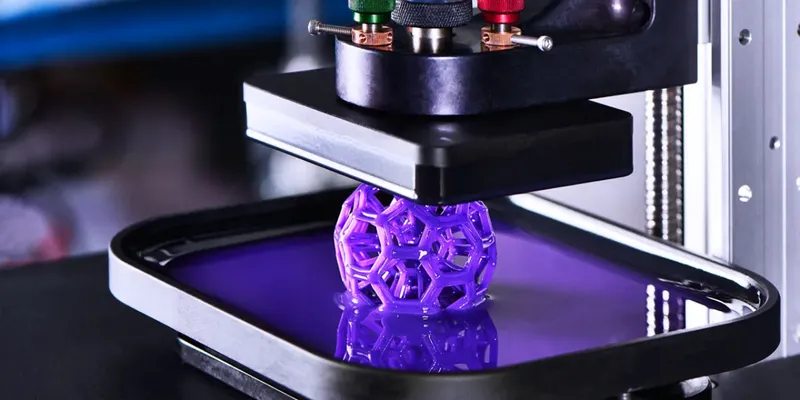
Manufacturing doesn't look like it did even five years ago. The equipment that once demanded factory floors and eye-watering capital investments? You can now find it sitting on worktables in suburban garages. Custom 3D printing has done something remarkable it's handed creative control to regular people. Medical devices shaped precisely to your body.
Jewelry crafted around your unique dimensions. We're watching "standard sizes" become relics of an older era. This transformation goes deeper than new technology. It's reshaping our entire relationship with making things, owning things, and imagining what's actually achievable.
How Custom 3D Printing Went From Factory Floors to Kitchen Tables
The timeline here is almost startling. These machines were corporate assets not long ago, costing more than luxury cars and requiring specialized training to use.
Making Complex Technology Actually Usable
Modern printers have shed their intimidating reputation. Auto-leveling beds, intuitive touch interfaces, factory settings that just work- these features mean you're not troubleshooting for weeks. Seriously, you can pull one from its box, feed in some material, and have your first creation finished before dinner.
Cloud software eliminated another massive headache. Professional services spotted an opportunity here. When you need industrial-grade quality but don't want the equipment investment, Custom 3D printing with RapidMade delivers exactly that professional results without the professional price tag or learning curve.
Materials That Changed Everything
We've moved way beyond simple plastics. Today's advanced polymers range from soft and flexible to incredibly rigid, sometimes within a single printed object. Think about a protective case that's hard where it needs to be but cushioned at contact points.
Eco-conscious materials are becoming mainstream rather than niche. Filaments derived from corn starch or reclaimed ocean plastic give environmentally aware makers real options. Some materials actually respond to environmental conditions like temperature shifts or humidity changes, enabling personalized 3D prints that literally adapt to their surroundings.
Speed Without Sacrificing Detail
Remember waiting days for prints to complete? Those days are fading fast. Technologies like continuous liquid interface production have cut production times by magnitudes. A ten-hour job now wraps up in under sixty minutes, making custom 3D printing practical for deadlines that actually matter.
High-resolution resin systems now compete with traditional injection molding for detail. AI monitoring catches problems during production, not after you've wasted materials and time. You get personalization without compromising on quality, finally.
What's Happening Right Now in 3D Printing Personalization
The pace of change borders on absurd. Concepts that felt futuristic last year are standard practice today. Current 3D printing trends are erasing the boundary between what exists on screens and what you hold in your hands.
AI as Your Design Partner
Artificial intelligence has evolved into something like a creative collaborator. Tell it what you're after, maybe "a minimal phone stand with flowing lines," and watch generative algorithms instantly produce multiple unique options. These aren't cookie-cutter variations. They're genuinely original.
Topology optimization strips away excess material automatically while preserving strength. The outcomes often look strange initially, but function beautifully. This method cuts material expenses and discovers solutions human designers wouldn't naturally consider.
Virtual Everything Before Physical Anything
Digital twins prevent expensive real-world mistakes. Augmented reality places a custom lamp design on your actual bedside table before you commit. Photogrammetry captures exact measurements, scan your wrist once, and jewelry designs fit perfectly on the first print.
Virtual showrooms are transforming retail. Explore personalized products in three-dimensional space, tweak colors and sizes live, then order your precise version. You get try-before-you-buy without companies maintaining physical inventory.
Localized Production Networks
Manufacturing geography is being rewritten. Rather than shipping finished products internationally, digital files move instantly while production happens near the end user. Smaller carbon footprints and faster delivery simultaneously.
Automated printer arrays run constantly, making individual custom orders economically viable. The future of 3D printing isn't giant centralized facilities but distributed networks serving hyper-specific local needs.
Real Applications Where 3D Printing Personalization Shines
Practical use cases demonstrate that this technology reaches far beyond hobby projects. Multiple industries are finding that 3D printing personalization addresses challenges that traditional manufacturing simply cannot.
Medical and Healthcare Breakthroughs
Surgical guides tailored to individual patient anatomy improve surgical precision and outcomes. Custom prosthetics created from body scans offer superior fit at lower costs than conventional options. Dental practices now produce aligners and crowns internally, eliminating multiple-week turnarounds.
Pharmaceutical researchers are testing medication printing with patient-specific dosages. Picture pills customized to your exact needs, potentially combining several prescriptions into one convenient dose.
Fashion and Wearable Design
Parametric jewelry uses mathematical modeling to match your specific proportions. Fashion creators are printing garments that fit body shapes ignored by traditional sizing systems. Smart wearables now integrate electronics directly into printed structures, creating seamless function and form.
Sustainable fashion sees huge benefits in that items are produced only after ordering, eliminating warehouse waste and overproduction problems. Your individual style stops requiring compromises.
Home Customization and Architectural Details
Lighting fixtures designed for your room's specific aesthetic. Acoustic panels optimized for your space's unique dimensions and materials. Need to replace a component from a discontinued product? Scan what broke and print its replacement.
Historical preservation projects use scanning and printing to reproduce architectural elements that would cost fortunes to hand-fabricate traditionally.
Your Questions About Custom 3D Printing Answered
How do costs compare between custom 3D printing and buying off-the-shelf?
Basic items might run higher when individually printed, but specialized or complex pieces frequently cost less. You avoid tooling costs, minimum orders, and retail markup. Custom medical equipment or replacement components often undercut traditional pricing significantly.
Do I need technical design knowledge to create personalized prints, or can I work with existing files?
Numerous platforms provide customizable templates needing zero design background. You can adjust sizes, add personalization, and modify colors through straightforward interfaces. Online libraries contain millions of free models ready for customization. For complicated projects, freelance designers or professional services handle technical aspects affordably.
What's the realistic timeframe from initial concept to finished custom product?
Timelines vary wildly based on complexity and printing method. Basic items might be completed within hours, while elaborate multi-component assemblies could require days. Professional services typically deliver within three to seven business days. The real advantage is iteration speed refinement and rapid reprints, unlike traditional manufacturing's lengthy retooling processes.
Taking Control of Your Creative Manufacturing Journey
We're living through manufacturing's democratization. The walls between what you imagine and what you can physically create keep falling as technology grows more accessible and affordable. Whether you're addressing practical challenges, pursuing artistic expression, or launching a business around unique products, personalized 3D prints provide creative freedom that simply didn't exist before.
The tools aren't coming someday, they're here now. What you decide to make is constrained only by imagination, not factory minimums or standardized catalogs. This shift transcends objects themselves. It's about reclaiming agency over our physical environment, shaping it around individual requirements and personal vision rather than mass-market compromises.