Textile Weaving and Processing Units Face Cost Pressures Amid Weak Demand
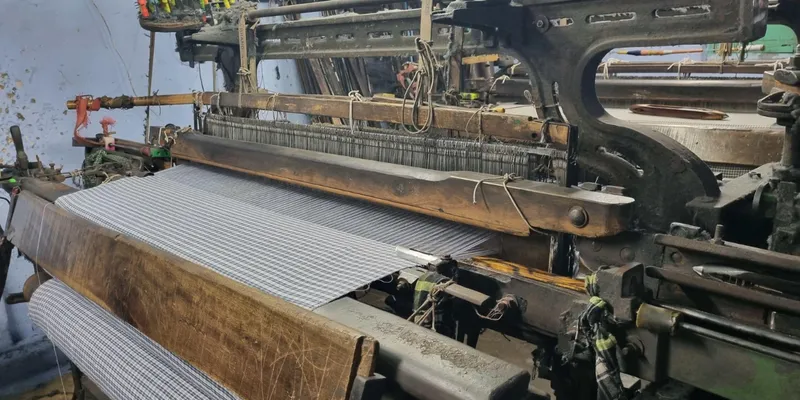
Rising cotton, yarn and processing costs, coupled with labour shortages, impact textile operations and margins
Ahmedabad: Textile weaving and processing units are experiencing pressure from higher production costs and subdued demand, with industry stakeholders indicating that conditions have become increasingly challenging over the past three months.
According to industry participants, sharp increases in cotton and cotton yarn prices have raised fabric production costs, making grey fabric more expensive for buyers. Concerns over future price movements have also led traders to limit purchases, resulting in lower demand for grey fabric across the market.
Processing units report that the slowdown in grey fabric buying has affected production schedules. Some units are operating at around 50 per cent capacity utilisation, while others have reduced operations to one or two days a week to manage inventory levels and control losses.
Industry representatives stated that the situation has created challenges for small and medium-sized operators that rely on a steady order flow. Rising input costs, including coal and colour chemicals, have further increased the cost of dyeing, printing and finishing operations.
Processing charges have reportedly increased by around 5 per cent to 7 per cent. However, unit owners indicate that the increase has not been sufficient to offset higher operating expenses.
The sector is also facing labour availability issues, adding to operational difficulties. Industry participants noted that weak order books and irregular production schedules have made worker retention more difficult.
India’s textile and apparel trade recorded mixed trends in April 2026, according to quick estimates released by the Union ministry of commerce and industry. Exports of cotton yarn, fabrics, made-ups and handloom products rose marginally by 0.57 per cent compared to April 2025. Textile exports increased by 3.58 per cent, while apparel exports declined by 11.66 per cent year-on-year.
Combined exports of textiles and apparel declined by 3.42 per cent during the month. On the import side, cotton raw waste imports fell 6.10 per cent to $82 million, while textile yarn, fabrics and made-up article imports declined 7.17 per cent to $179 million.
Industry representatives have also called for the removal of import duty on cotton, stating that improved raw material availability would support the textile sector during the current period of cost pressure.