Textile Industry Eyes Export Growth as West Asia Stabilises and FTAs Offer New Opportunities
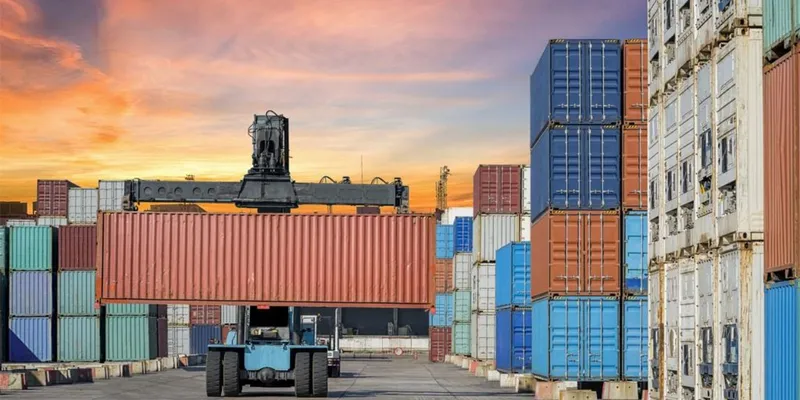
Industry expects easing logistics disruptions and greater access to Europe and West Asia through existing and upcoming free trade agreements.
The expected end of the Iran war is anticipated to support India's textile exports, particularly to Europe and West Asia, while helping reduce logistics costs and improve profit margins for manufacturers.
Industry stakeholders expect raw material costs—especially for polyester and cotton, whose prices are closely linked to synthetic fibre markets—to ease as regional supply chains stabilise.
The closure of the Strait of Hormuz during the conflict disrupted shipments of finished textile products and affected the supply of raw materials, creating challenges for the textile industry.
According to Ashwin Chandran, Chairman of the Confederation of Indian Textile Industries (CITI):
"The turbulence in West Asia had affected raw material supplies, supply chains, and industrial energy, exerting huge pressure on the entire MSME-dominated textile and apparel industry that traditionally operates on narrow margins and where most entities lack the muscle to withstand prolonged financial shocks."
Industry Expects Trade Momentum Through FTAs
Chandran said that improved conditions in West Asia could help India diversify textile and apparel exports beyond traditional markets.
"Return to normalcy in West Asia will end momentum to India's efforts to diversify textile and apparel exports beyond traditional markets," he said. "A disruption-free Strait of Hormuz will allow us to more effectively leverage the benefits of our active free trade agreements."
India currently has an operational trade agreement with the European Free Trade Association (EFTA) and has signed trade agreements with the European Union and the United Kingdom, which are yet to become operational.
In West Asia, India has Comprehensive Economic Partnership Agreements (CEPAs) with the UAE and Oman.
Exports Declined During Conflict
Textile and clothing exports have declined since the beginning of the conflict.
According to the report:
- Textile and clothing exports declined 14% in March compared to the previous month.
- Exports declined another 3.5% in April compared to March.
- On a year-on-year basis, shipments fell 11.66% in April.
- Polyester prices increased by 25% during the conflict, contributing to higher cotton prices.
- India's total textile and apparel exports stood at ₹3.16 lakh crore in 2025-26.
Industry representatives expect improved regional stability and operational trade agreements to support export recovery and strengthen India's textile trade with Europe and West Asia.