Textile Coatings Market To Reach USD 11.0 billion by 2034
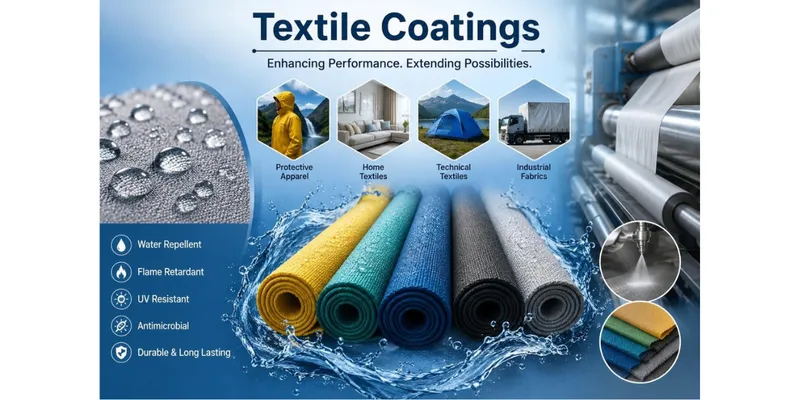
Market Summary
According to our Growth Market Report, the global textile coatings market size reached USD 7.1 billion in 2025, reflecting robust and broad-based demand across diverse industries. The market is expected to grow at a CAGR of 5.0% from 2026 to 2034, with the total market size forecasted to reach USD 11.0 billion by 2034. This growth is primarily driven by the increasing adoption of advanced coating technologies, rising demand for high-performance textiles in automotive and construction sectors, and the ongoing shift towards sustainable and functional textile solutions. As per our latest research, the textile coatings market is witnessing accelerated innovation, underpinned by the need for enhanced fabric durability, water resistance, and anti-microbial properties. The proliferation of smart textile coating technologies is also emerging as a significant growth catalyst, adding intelligence and interactivity to coated fabric applications.
Introduction: Why the Textile Coatings Market Is Gaining Global Momentum
The textile coatings market has evolved far beyond simply adding color or improving fabric appearance. Today, textile coatings are responsible for transforming ordinary textiles into intelligent, durable, weather-resistant, flame-retardant, antimicrobial, and waterproof materials that meet the growing demands of industries ranging from healthcare and construction to automotive, military, sportswear, and aerospace.
As global industries prioritize sustainability, product longevity, and functional performance, coated textiles have become an indispensable part of modern manufacturing. Innovations in nanotechnology, bio-based polymers, and smart coatings are redefining the capabilities of fabrics, enabling them to perform under extreme environmental conditions while remaining lightweight, flexible, and environmentally responsible.
This transformation positions the textile coatings market as one of the most technologically dynamic segments within the advanced materials industry.
What Is the Textile Coatings Market?
The textile coatings market encompasses the development, production, and application of specialized coating materials that are applied to natural and synthetic fabrics to enhance their physical, chemical, and functional properties.
Unlike traditional textile finishing processes, coatings create an additional protective or functional layer on the fabric surface, improving characteristics such as:
- Water resistance
- Flame retardancy
- UV protection
- Chemical resistance
- Antimicrobial performance
- Abrasion resistance
- Oil repellency
- Breathability
- Electrical conductivity
These enhanced properties significantly expand the application range of textiles across numerous industrial sectors.
Why Are Textile Coatings Becoming Essential Across Industries?
Modern consumers and industrial buyers no longer seek fabrics based solely on aesthetics. They demand textiles capable of delivering long-lasting performance under challenging operating environments.
For instance, hospitals require antimicrobial fabrics that minimize bacterial growth. Automotive manufacturers require coated textiles that withstand temperature fluctuations, UV exposure, and continuous wear. Construction companies need architectural membranes capable of resisting moisture, pollution, and harsh weather for decades.
This shift from decorative textiles toward functional textiles has dramatically increased demand for advanced coating technologies worldwide.
Key Market Drivers Fueling Industry Expansion
Growing Demand for Protective Clothing
Industrial workers, firefighters, military personnel, healthcare professionals, and chemical handling teams require specialized protective apparel capable of resisting heat, flames, chemicals, biological contaminants, and mechanical damage.
Advanced textile coatings significantly improve worker safety while maintaining comfort and flexibility, making them increasingly important in occupational safety equipment.
Rapid Growth of Technical Textiles
Technical textiles have emerged as one of the fastest-growing categories within the textile industry.
These specialized fabrics serve engineering and industrial applications rather than fashion, including:
- Medical implants
- Geotextiles
- Agricultural covers
- Industrial filtration systems
- Conveyor belts
- Airbags
- Inflatable structures
Most technical textiles rely on advanced coatings to achieve their desired mechanical and environmental performance.
Rising Automotive Production
Modern vehicles contain numerous coated textile components including:
- Seat upholstery
- Airbags
- Roof liners
- Door panels
- Convertible tops
- Interior insulation materials
Automotive manufacturers increasingly prioritize lightweight materials that improve fuel efficiency while maintaining durability and passenger comfort, boosting demand for coated textiles.
Expansion of Smart Wearable Technologies
Wearable electronics continue creating exciting opportunities for conductive textile coatings capable of integrating sensors, heating elements, biometric monitoring systems, and energy-harvesting capabilities into everyday clothing.
As smart garments become more mainstream, textile coatings will play an increasingly important role in wearable innovation.
Major Types of Textile Coatings
Polyurethane (PU) Coatings
Polyurethane coatings offer exceptional flexibility, softness, breathability, and abrasion resistance.
These coatings are widely used in:
- Outdoor apparel
- Sportswear
- Medical fabrics
- Artificial leather
- Protective garments
Their balance between durability and comfort makes them among the most widely adopted coating technologies globally.
Polyvinyl Chloride (PVC) Coatings
PVC coatings provide outstanding waterproofing, chemical resistance, and mechanical strength.
Common applications include:
- Truck covers
- Industrial tarpaulins
- Inflatable boats
- Tents
- Protective covers
- Architectural membranes
Although concerns regarding environmental impact exist, PVC remains popular for heavy-duty industrial applications.
Silicone Coatings
Silicone coatings deliver excellent flexibility across extreme temperatures while maintaining water repellency and UV stability.
They are commonly utilized in:
- Aerospace textiles
- High-performance outdoor equipment
- Medical devices
- Industrial insulation
Acrylic Coatings
Acrylic coatings provide excellent weather resistance, color stability, and UV protection.
They are frequently applied in:
- Home furnishings
- Outdoor furniture fabrics
- Awnings
- Decorative textiles
Applications Transforming Global Industries
Healthcare
Medical textiles increasingly require coatings that provide:
- Antimicrobial protection
- Fluid resistance
- Easy sterilization
- Chemical resistance
- Patient comfort
These innovations improve infection control while extending product lifespan.
Construction
Coated fabrics have become essential components in modern architecture through tensile structures, roofing systems, stadium covers, and weather-resistant building membranes.
Their lightweight nature allows architects to design visually striking structures without compromising durability.
Transportation
Coated textiles improve safety, durability, and passenger experience across automotive, railway, marine, and aviation industries.
Applications include seating, insulation, airbags, cargo protection, and interior decorative materials.
Sports and Outdoor Equipment
Outdoor enthusiasts increasingly demand high-performance fabrics capable of resisting:
- Rain
- Snow
- Wind
- UV radiation
- Dirt
- Abrasion
Textile coatings enable manufacturers to produce jackets, tents, backpacks, sleeping bags, footwear, and performance apparel suited for extreme environments.
Sustainability Is Reshaping Textile Coating Technologies
Environmental regulations are encouraging manufacturers to replace solvent-based coatings with water-based, bio-based, and low-VOC alternatives.
Companies are investing heavily in sustainable chemistry to reduce emissions while maintaining product performance.
Emerging innovations include:
- Plant-derived coating polymers
- Fluorine-free water repellents
- Biodegradable coating materials
- Recyclable coated textiles
- Circular manufacturing processes
These advancements help manufacturers comply with stricter environmental standards while meeting growing consumer demand for eco-friendly products
Emerging Innovations Driving the Next Generation of Textile Coatings
The future of textile coatings extends beyond passive protection toward intelligent functionality.
Researchers are developing coatings capable of:
- Self-cleaning surfaces
- Self-healing fabrics
- Phase-change temperature regulation
- Solar energy harvesting
- Antiviral protection
- Air purification
- Moisture-responsive ventilation
- Conductive electronics integration
Such innovations are expected to redefine the role of textiles across healthcare, defense, consumer electronics, and smart infrastructure.
Demand is also rising for protective clothing suitable for harsh environmental conditions.
Challenges Facing the Textile Coatings Market
Despite robust growth prospects, the industry faces several challenges.
Volatility in raw material prices can affect production costs and profitability. Environmental concerns surrounding certain coating chemicals have prompted stricter regulations, requiring manufacturers to invest in cleaner alternatives. Additionally, recycling coated textiles remains technically challenging due to the combination of multiple material layers, underscoring the need for innovations that improve end-of-life sustainability.
Future Outlook: The Next Era of Functional Textiles
According to our Growth Market Report, The future of the textile coatings market will be defined by innovation at the intersection of material science, sustainability, and digital technology. As industries seek fabrics that are lighter, stronger, smarter, and more environmentally responsible, advanced coatings will become the foundation of next-generation textile solutions. From intelligent medical garments and energy-efficient buildings to connected wearables and high-performance transportation systems, coated textiles are poised to play a pivotal role in shaping the materials of tomorrow. Manufacturers that invest in sustainable chemistries, advanced functional coatings, and scalable production technologies will be best positioned to capitalize on the growing global demand for high-value, performance-driven textiles.