Technology Reshapes the Cold Chain Market Amid Rising Global Demands
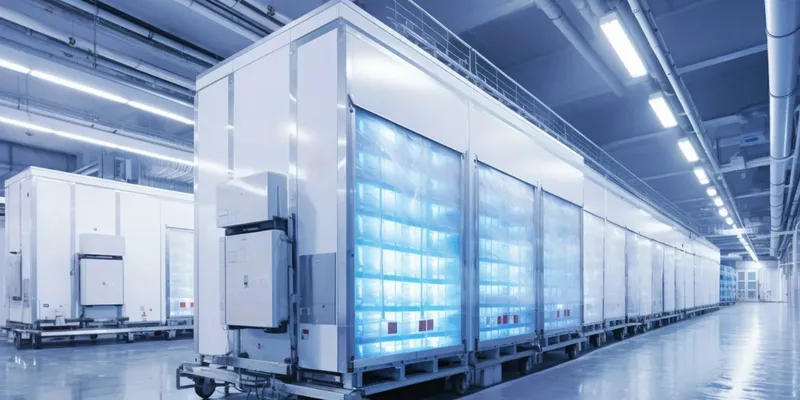
The cold chain market plays a vital role in safeguarding temperature-sensitive products across industries such as pharmaceuticals, healthcare, food, and chemicals. As global supply networks grow more complex and regulatory expectations tighten, traditional cold chain systems are no longer sufficient. Increasing volumes of biologics, vaccines, and perishable goods are driving the need for greater reliability, traceability, and efficiency. In response, technology is emerging as a decisive force, redefining how cold chain operations are monitored, managed, and optimized across the value chain.
Cold Chain Market Gaining Strategic Importance
Global trade expansion and shifting consumer preferences toward fresh, safe, and high-quality products have intensified the reliance on cold chain logistics. According to Persistence Market Research, the global cold chain market is expected to record sustained growth over the coming years, supported by rising pharmaceutical shipments, growth in e-commerce food delivery, and stricter compliance requirements.
Historically, cold chain logistics depended on conventional refrigeration, manual checks, and limited data visibility. While functional, these systems often exposed supply chains to temperature excursions, delays, and product losses. Technology-led solutions are now addressing these vulnerabilities by improving transparency, responsiveness, and operational control.
Key Technologies Transforming Cold Chain Operations
IoT and Real-Time Monitoring
Internet of Things (IoT) devices and smart sensors have become central to modern cold chain management. These systems continuously track temperature, humidity, and environmental conditions during storage and transit. Real-time alerts enable immediate corrective actions, reducing spoilage risks and improving product safety.
Beyond monitoring, sensor-generated data supports route optimization, risk prediction, and performance analysis, allowing operators to move from reactive responses to proactive management.
Artificial Intelligence and Advanced Analytics
Artificial intelligence (AI) and data analytics are enabling predictive decision-making across cold chain networks. AI-driven tools analyze sensor data, GPS inputs, and inventory records to forecast demand, optimize delivery schedules, and anticipate equipment failures.
Predictive maintenance reduces downtime by identifying refrigeration issues before breakdowns occur, while machine learning models help companies adjust capacity during peak demand periods, improving service reliability.
Blockchain for Traceability
Blockchain technology is strengthening transparency in cold chain supply chains, particularly in pharmaceuticals and food. By creating a secure, tamper-resistant digital record of product movement, blockchain enhances compliance, combats counterfeiting, and improves stakeholder trust.
When integrated with IoT systems, blockchain enables end-to-end visibility, offering verifiable data on storage conditions and transit history throughout the product lifecycle.
Automation and Robotics
Automation is increasingly embedded in cold storage and distribution facilities. Automated storage and retrieval systems, robotics, and autonomous material handling solutions improve accuracy, reduce manual errors, and accelerate throughput.
Robotic process automation is also streamlining documentation, regulatory reporting, and inventory reconciliation, enabling organizations to allocate human resources toward higher-value strategic functions.
Technology Supporting Sustainability Goals
Digital solutions are helping cold chain operators reduce energy consumption and environmental impact. Smart energy management systems optimize refrigeration cycles, while investments in energy-efficient equipment and renewable-powered cold storage support sustainability targets.
Improved energy efficiency not only lowers operational costs but also aligns cold chain operations with evolving environmental regulations and sustainability expectations.
Barriers to Adoption Remain
Despite clear benefits, technology adoption in the cold chain faces challenges. High upfront investment, system integration complexity, skill gaps, and cybersecurity risks continue to limit adoption, particularly among smaller operators. However, the long-term gains in efficiency, compliance, and waste reduction increasingly outweigh these concerns.
Future Outlook for the Cold Chain Market
The evolution of cold chain logistics will remain closely linked to technological progress. Emerging solutions such as digital twins, edge computing, augmented reality for warehouse management, and AI-enabled autonomous delivery are expected to further enhance resilience and precision.
As data-driven decision-making becomes central to regulatory compliance and customer expectations, technology-led cold chains will set new industry benchmarks for reliability and performance.
Conclusion
Technology is fundamentally altering the cold chain market by improving visibility, efficiency, and control across global supply networks. From real-time monitoring and predictive analytics to automation and blockchain-based traceability, digital innovations are strengthening product integrity while supporting regulatory and sustainability objectives.
Insights from Persistence Market Research underline that technology adoption is no longer optional but essential for long-term competitiveness in the cold chain sector. Organizations that invest strategically in digital transformation are better positioned to meet future demand while maintaining operational resilience.
Read Full Report On: Cold Chain Market Growth Analysis Report, 2032