Technology & Data Management
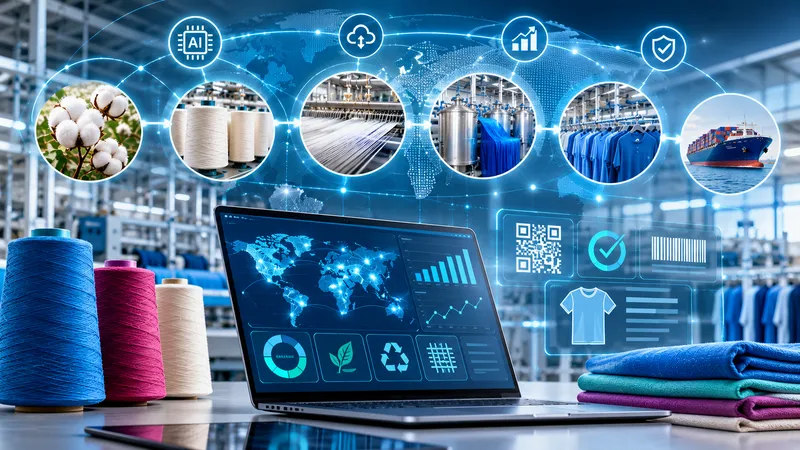
The role of AI, digital platforms, integrated supply chain systems, and data analytics in improving traceability and information accuracy.

Nishant Mhatre,
Director General (Tech),
ITAMMA
Introduction
AI is transforming India’s ₹12 lakh crore textile industry by boosting efficiency and reducing waste by up to 30%, with adoption growing at 40% annually. Key applications include AI-powered fabric inspection, automated design, and predictive maintenance, reducing costs and enabling MSMEs to improve production quality and speed. It is further enabling fabric sellers, designers, and manufacturers to visualize finished garments from raw fabric, automate product catalog creation, and reach buyers digitally at scale. Tools like StitchMagic — used by 5,000+ Indian textile businesses — reduce the time from fabric inventory to digital catalog from days to minutes. By 2027, AI-powered tools are projected to add ₹1.2 lakh crore in incremental value to India's textile sector through efficiency gains and expanded market access.
The AI Adoption Gap between Indian Sellers is noticed as below:
BUSINESS SIZE | AI ADOPTION | MAIN TOOLS USED |
Large manufacturers (500+ cr) | 35% | Trend AI, quality control |
Mid-size wholesalers (10-500cr) | 15% | Catalog tools, basic automation |
Small wholesale sellers (<10cr) | 7% | Photo enhancement, WhatsApp catalog |
Individual artisans | <2% | Limited smartphone tools |
AI is giving India's small fabric sellers the same digital capabilities that large fashion brands spent crores building
Key AI Implementations in Indian Manufacturing
- Computer Vision & Quality Control: AI-driven vision systems (such as Kiara Vision AI) instantly scan fabric and technical textiles for defects that the human eye might miss, slashing defect rates.
- Predictive Maintenance: AI analyzes sensor data embedded in factory machinery to predict equipment failures before them happen, significantly reducing costly unplanned downtime.
- Automated Yarn Production: Control panels from the blow room to ring spinning and winding automatically adjust production parameters with minimal human intervention, ensuring consistent yarn quality.
- Smart Dyeing: Automated systems calculate precise chemical and water quantities, ensuring consistent color matching while drastically reducing environmental waste and chemical usage
- Robotics & Egocentric AI Training: Indian factory hubs (like Karur, Tamil Nadu) are using workers wearing head-mounted cameras to record manual processes. This footage is used to train AI and robotics for repetitive tasks like stitching and folding.
JUMAC (INDIA), Ji+ is an IIoT-based Silver Management System that enables last-mile traceability, data-backed automation and centralised control. They have smarter spinning mills, with decision-making tools and increased DATA transparency. Also, according to a recently published report, implementation of the latest Internet of Things (IoT) tools can improve mill productivity and time-to-market by up to 25%.

Rimtex provides Silver Loading Technology, specifically in their Sumo Mini cans, that boosts productivity by increasing silver yield per can by over 10%, without requiring any changes to existing machinery, equipment, or silver can dimensions. This innovation has also proven beneficial for the open-end spinning segment, enabling up to 10% more sliver space within the same can size, optimising both capacity and efficiency.
The SliverBot is an Autonomous Mobile Robot (AMR) designed for smooth and hassle-free transportation of large-diameter sliver cans. It reduces manual labour, minimises human error, and cuts down on production downtime to improve efficiency and profitability. Built with an innovative X-Axis design, it offers a fresh approach to component selection by combining Xtensa Rings and Xgen Travellers for good yarn consistency. Supporting this system, Kalpar’s single-axle castor wheels are engineered to prevent dirt and fluff from collecting on the wheels. This ensures continuous, stoppage-free movement of the cans, protects the sliver from breakage during transport, and reduces the need for frequent manual cleaning.
Yash has developed advanced high-speed rewinding solutions for camera inspection systems and auto-cut rolling and cutting lines that operate at speeds of up to 100 meters per minute. These lines integrate high-speed mapping, automatic rolling, precision cutting, barcode labeling and weighing—ensuring minimal manual intervention and maximum accuracy.
Use of AI in monitoring plastic waste in textile industry in India
- Monitoring Pollution Levels: In Surat, 24/7 AI-powered surveillance is used to monitor air emissions from textile and dyeing facilities, identifying illegal dumping or high-pollution incidents.
- Circular Economy Analytics: AI systems, such as Refiberd, track textile waste flows and analyze waste data to enhance recycling, with platforms like World of Waste working on mapping textile waste to identify aggregation opportunities for recyclers (allowing for preventive maintenance and reduced material waste by 15-20%)
Benefits and Impact
The integration of AI in Indian textile manufacturing is helping improve productivity by 25–40%
Challenges to Adoption
- High Setup Costs: Implementing AI systems requires high initial investments, challenging for smaller, decentralized mnfgrs.
- Data Scarcity: AI requires extensive data to be effective, and many facilities in India lack automated data collection systems.
Fiber Identification and Sorting AND Near-Infrared (NIR) Spectroscopy
AI combined with NIR spectroscopy enables automated identification of fiber composition, crucial for separating plastic-blended textiles from natural fibers, which is often a bottleneck in recycling.
Quality Control (Defect Monitoring)
Real-time AI monitoring detects inconsistencies in yarn, such as thick or thin spots caused by synthetic contamination, enabling immediate correction.
Sorting of Textile Waste
AI-enabled robotic systems are increasingly used for sorting mixed textile waste to separate plastic-based materials (polyester) from natural fibers (cotton).
Computer Vision Monitoring
AI-powered cameras are installed directly on weaving and knitting machines to inspect fabrics in real-time. These systems detect defects like tears, stains, or weaving inconsistencies faster and more accurately than human operators.
Preventing Waste Accumulation
By identifying faults early—such as those caused by yarn breakage or tension issues—AI prevents the production of entire rolls of defective fabric, which would otherwise end up as waste.
Waste Tracking and Lifecycle Management
Waste Quantification
AI systems are being developed to map textile waste across manufacturing units, addressing the lack of data and helping companies identify what waste they are generating, when, and in what quantities.
Predictive Maintenance and Quality Control
AI-based systems monitor production, such as in dyeing and finishing (wet processing), to minimize defects. This prevents the creation of sub-standard products that eventually become waste.
Real-time Monitoring of Effluents
AI systems are beginning to be used for monitoring and treating chemical and fiber waste in effluent treatment plants, which is critical in wet processing.
Data Analytics for Sustainability
AI analyzes vast amounts of data to optimize production, reducing the initial usage of materials and improving compliance with EPR (Extended Producer Responsibility) targets.
Computer Vision for Defect Detection
AI systems, such as Smartex, utilize cameras to inspect fabric on production lines, spotting defects in real-time to prevent flawed materials from being processed, reducing waste from defects by over 20%.
Precision Cutting & Waste Reduction
AI-powered robots and smart cutting systems optimize fabric layout, reducing cutting scrap. These systems can reduce total cutting waste by over 20%.
Efficiency Gains
AI implementation reduces total waste in garment manufacturing by roughly 17%.
Production Waste Minimization
Machine learning algorithms and machine vision in manufacturing plants detect defects in real-time, reducing material waste and optimizing cutting patterns to reduce fabric waste by up to 20%.
Machine Vision
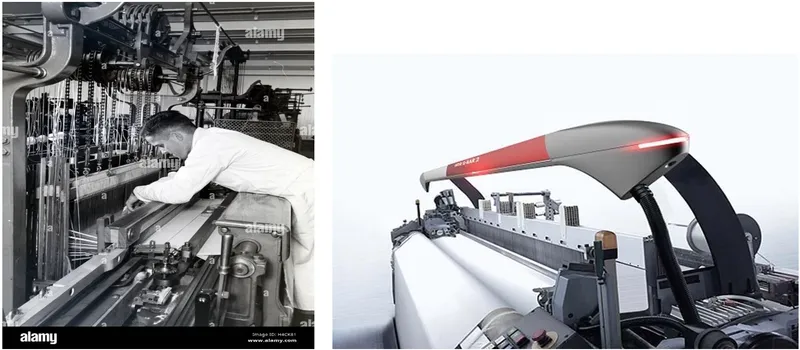
High-speed cameras powered by AI detect minute faults like color inconsistencies, weaving irregularities, or stains in real-time, often reaching 98% accuracy compared to lower manual rates.( Rieter-WiseEye on-loom fabric inspection System)
Improved Production Efficiency
- Predictive Maintenance (IoT): Sensors track machine health in real-time, predicting failures before they occur and reducing unplanned downtime by up to 30%.
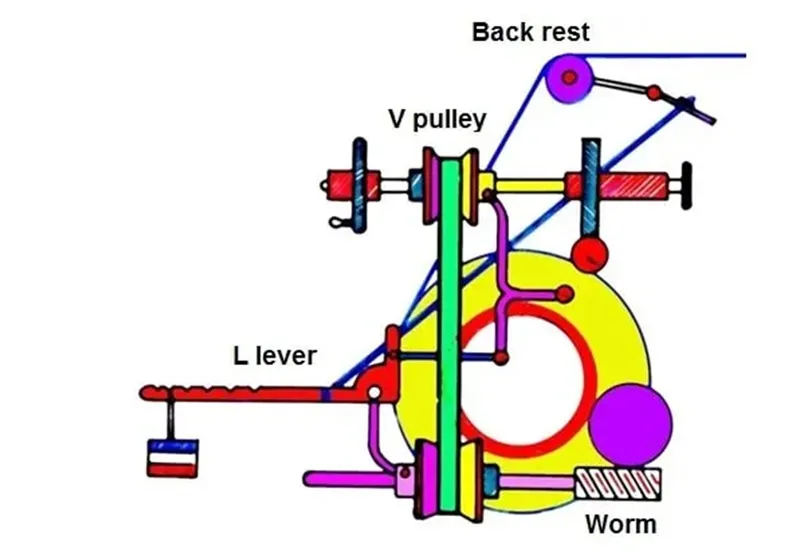
- Process Optimization: AI adjusts machinery parameters—such as speed, temperature, and material load—to achieve maximum output with minimum energy usage. (load cells on back-rest)
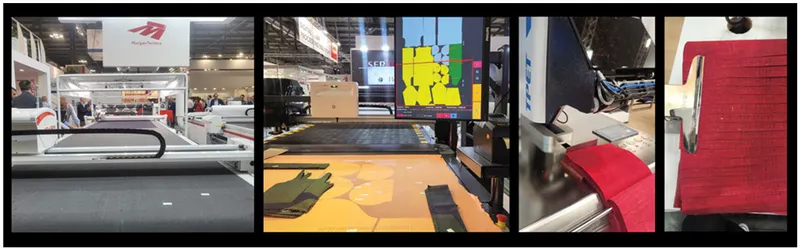
- Automation of Labor-Intensive Tasks: Robotic systems now handle repetitive, complex tasks such as cutting, stitching, and pocket welt attachment in apparel manufacturing.( Robotic Systems: Garment Manufacturing: Robotic cutting and sewing systems, along with automated sewing detection (missing buttons, misaligned seams), are becoming common).
- Automation of Labor-Intensive Tasks: Robotic systems now handle repetitive, complex tasks such as cutting, stitching, and pocket welt attachment in apparel manufacturing.( Robotic Systems: Garment Manufacturing: Robotic cutting and sewing systems, along with automated sewing detection (missing buttons, misaligned seams), are becoming common).
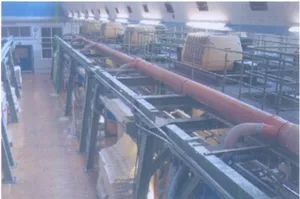
New Vacuum Cleaning System for Weaving Machines
Removing dust before it settles down. Removed textile fly is separated into a collection container placed aside the weaving machine
Faster Turnaround Times
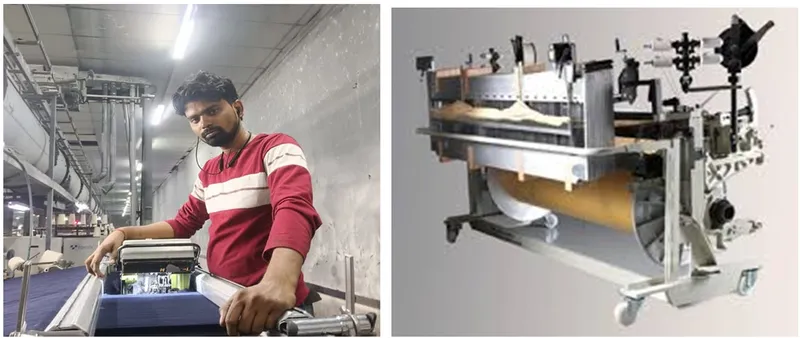
Integrated digital systems enable rapid adjustments to production, supporting shorter, faster production runs and customized orders. [ Integrated systems allow for quick reconfigurations of production lines to accommodate different products, reducing setup times by up to 95% in some cases ("Quick Style" Concepts: This system enables a single operator to change weaving styles in under 40 minutes by swapping essential parts like the warp beam, backrest, and harnesses]
Core Roles in Smarter Manufacturing
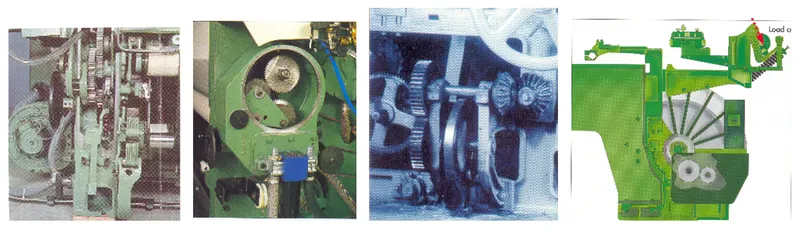
- Predictive Maintenance (Asset Management): IoT sensors and analytics detect machine wear and predict failures before they happen, slashing downtime and extending equipment lifespan.(Lubricants in Reservoirs change their Colors=photo )
How can robotics and automation be integrated into existing operations with minimal disruption?
- Instead of a total overhaul, introduce robots in specific, high-impact areas (e.g., palletizing, machine tending). Use modular, flexible systems that can be adjusted or scaled as needed without major downtime.
- Implement cobots, which are designed to work safely alongside humans, eliminating the need for expensive safety cages and allowing for easy deployment into existing human workspaces.
- Map existing workflows to identify specific bottlenecks, inefficiencies, and repetitive tasks suitable for automation, ensuring that only necessary tasks are automated, reducing potential chaos.
- Use digital twins to simulate and validate the performance of robotic systems before physical deployment, identifying issues early.
- Instead of replacing old machinery, retrofit it with PLCs (Programmable Logic Controllers) and HMIs (Human-Machine Interfaces) to ensure compatibility with new robotic systems.
Safety: Fostering a Sustainable Workplace
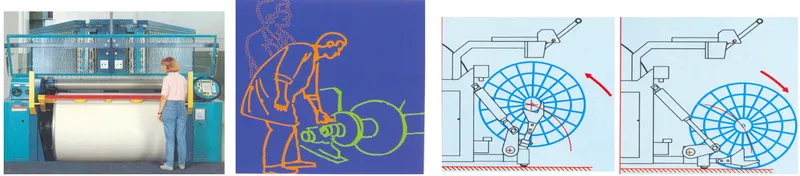
- Hazard Mitigation: Automated machinery reduces worker exposure to high-speed spindles, heavy material handling, and hazardous chemicals in dyeing.
- Compliance and Machine Guarding: Implementing robust machine guarding and adhering to international safety standards (like ISO 9001/14001) is essential to prevent accidents and protect the company’s reputation.
Key Challenges in the Textile Industry
- Advanced robotics and AI software require significant capital investment, posing a barrier for small and medium-sized enterprises (SMEs).
- Many textile factories rely on older, non-digital machines that are difficult to connect with modern AI systems.
- A lack of personnel who understand both textile manufacturing and AI technology makes implementation difficult.
- AI requires massive datasets to function effectively but many factories have fragmented or unorganized data.
- Traditional manufacturing practices can lead to employee resistance due to fears of job displacement.
- Data Scarcity: AI requires extensive data to be effective, and many facilities in India lack automated data collection systems.
Addressing the Challenges
- Start with small, high-impact AI pilots (e.g., computer vision for quality control) to prove ROI before investing in large-scale plant automation.
- Instead of replacing workers, focus on training them to manage, maintain, and work alongside AI systems, facilitating a smooth transition.
- (IIoT): Retrofit legacy machinery with Industrial Internet of Things (IIoT) sensors to gather necessary data for AI systems.
- Establish strong data governance to ensure data is clean, consistent, and collected securely from production lines.
- Work with AI-specialized firms to bridge the skills gap and provide tailored solutions for textile production needs
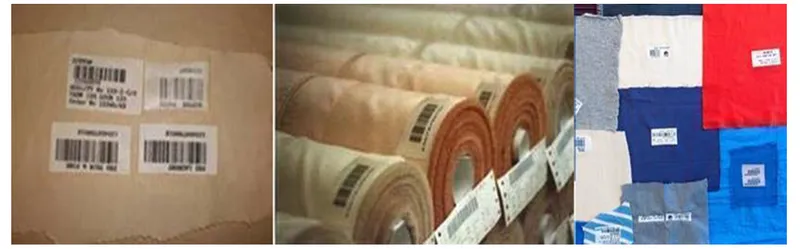
Agility and Supply Chain Transparency
- Technology ensures transparency and verifies sustainability claims from raw material to finished product.
- Human error by hand writing can be eliminated
- Ø Many times, written information is washed off during process
- Ø Fabric wastage is avoided.
- Ø By putting the label at the beginning and end of the piece you can ensure return of full length of the piece back from the processor.
- Ø No mix-up of rolls during dyeing process.
- Ø Easy sorting of fabric rolls and quick delivery.
- Ø Helps tracking of Fabric & fabric rolls throughout the processing
Which technologies will define the next phase of industrial manufacturing?
The next phase of industrial manufacturing in the textile industry (2026–2030) is defined by a shift from manual, labour-intensive processes toward digitally enabled, sustainable, and highly automated ecosystems (often termed Textile 4.0 or 5.0). This transformation is driven by the need for faster turnaround, customization, reduced environmental impact, and supply chain transparency