Target Apparel
Executive Summary
Target Apparel is a merchandising division of Target Corporation that sells fashion products, with low prices and styles targeting women, men, children, as well as offering active wear, sleepwear, intimate apparel, accessories, and seasonal merchandise. Apparel is one of the largest merchandise categories offered by Target and a key component of store traffic in driving sales for the business’ own brands. Among Target’s own brands, which contribute to apparel's appeal include the following: All in Motion; A New Day; Auden; Cat & Jack; Goodfellow & Co.; Universal Thread; and Wild Fable.
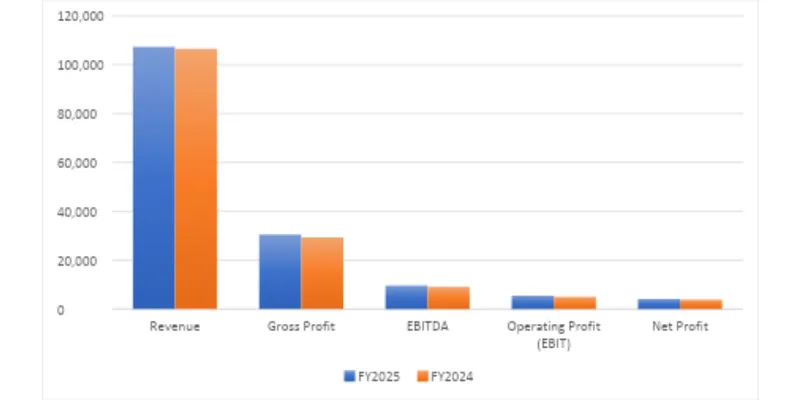
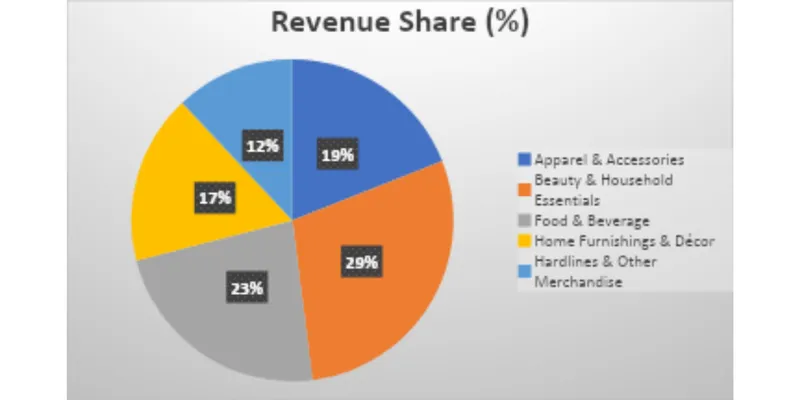
As of FY2025, Target Corporation posted around US$107.4 billion of revenue, with apparel representing an estimated 18-20% of overall merchandise revenue. The Company reported increased gross margin resulting from strong execution in inventory management and fewer product markdowns.
Company Overview

Caption: Brian Cornell – Chairman & Chief Executive Officer
Target Corporation (Founded in 1902) Headquarters: Minneapolis, Minnesota, United States Retail Operations: Approximately 2,000 stores across the US & rapidly expanding digital presence.
Products: General merchandise, with a focus on apparel (one of the Company’s main product categories), grocery, and household essentials.
Apparel offering is significantly driven by exclusive private-label brands that provide a combination of low price and quality value for its consumers. The Company’s listing on the New York Stock Exchange (NYSE)
Industry Overview
Soft sales growth as the sector navigates a consumer trend towards value. Retailer attention remains focused on inventory management, growing omnichannel capabilities, digital selling platforms and developing their private label portfolio as they navigate inflation fears. Store visits remain strong in mass merchandisers (Walmart, Target), though speciality retailers struggle with growing competition.
U.S. Apparel retail market expected to exceed $420bn in 2025.
Financial Performance Analysis
Financial Summary Table
Financial Metric | FY2025 | FY2024 |
|---|---|---|
Revenue | 107,412 | 106,566 |
Gross Profit | 30,420 | 29,305 |
EBITDA | 9,620 | 9,080 |
Operating Profit (EBIT) | 5,450 | 5,010 |
Net Profit | 4,090 | 3,850 |
Revenue Segment Breakdown
Key Financial Ratios
Ratio | Formula | FY2025 Value |
|---|---|---|
Current Ratio | Current Assets / Current Liabilities | 0.95 |
Quick Ratio | Quick Assets / Current Liabilities | 0.27 |
Gross Margin | Gross Profit / Revenue | 28.3% |
Net Margin | Net Profit / Revenue | 3.8% |
Return on Equity (ROE) | Net Income / Equity | 30.2% |
Debt-to-Equity | Total Debt / Equity | 1.20 |
Interest Coverage | EBIT / Interest Expense | 7.5 |
Inventory Turnover | COGS / Inventory | 5.1x |
Asset Turnover | Revenue / Total Assets | 1.60x |
SWOT Analysis
Strengths | Weaknesses |
|---|---|
Strong private-label apparel portfolio | Operations in only the U.S |
Well-established omnichannel retail | Lesser profit margins |
Strong customer loyalty | Dependency on consumer spending |
Opportunities | Threats |
|---|---|
Expansion of owned brand | Competition from Amazon, Walmart |
Online sales | Inflation and supply chain |
AI | Changing preferences |
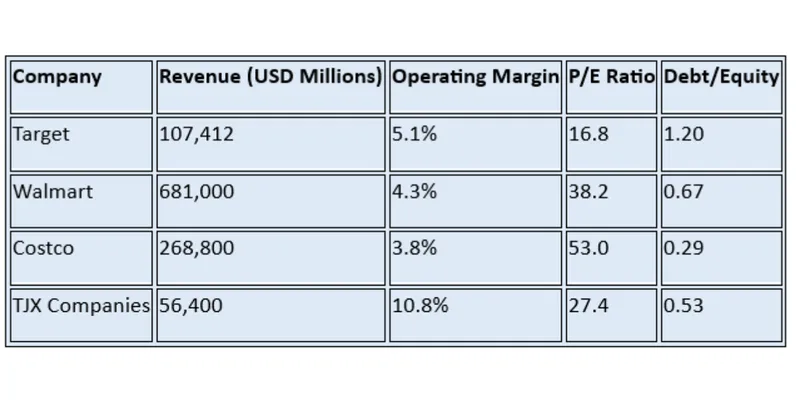
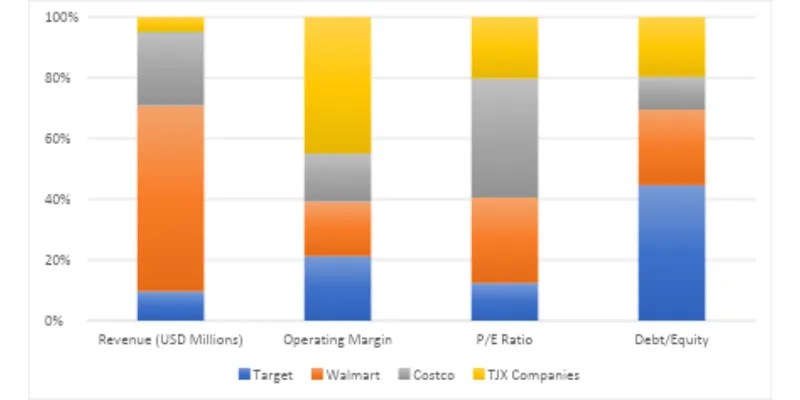
Peer / Competitor Comparison
Conclusion
FY2025 results performed stable to the forecast, with a weak and cautious consumer trend in consumer spending; private label apparel investment, digital channel expansion and supply chain enhancements contributed to growing profitability and increased loyalty.
In conclusion, Target appears stable and profitable.
References & Sources
1. Target Annual Report FY2025
2. Target Investor Relations
3. Reuters Retail Industry Reports 2025
4. Bloomberg Financial Database
5. Statista U.S. Apparel Market Report 2025
6. National Retail Federation (NRF)
Data Sources Used
•Target Annual Report FY2025
•Target Investor Presentation
•Reuters Financial Updates
•Bloomberg Industry Data