South Gujarat Textile Industry Raises Concerns Over Yarn Prices and Power Costs
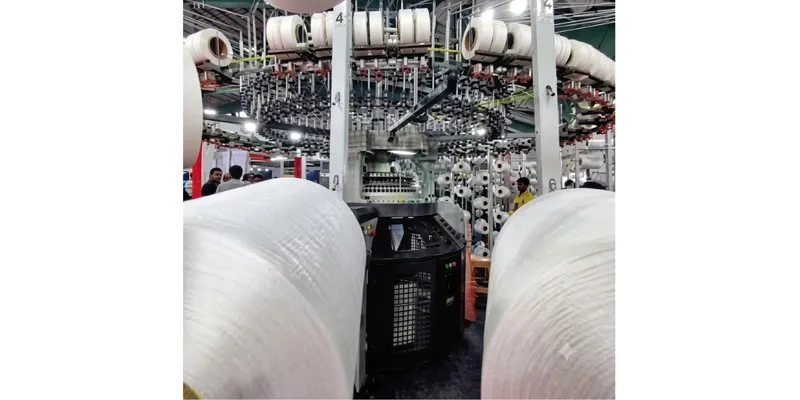
Textile associations flag higher electricity charges, power disruptions and labour-compliance challenges affecting MSMEs
Representatives of textile associations from South Gujarat raised concerns over rising yarn prices, electricity costs, power disruptions and labour-compliance challenges at a meeting convened by the Southern Gujarat Chamber of Commerce and Industry (SGCCI) on Tuesday. The chamber said the issues discussed during the meeting would be taken up with the government.
The meeting focused on challenges affecting micro, small and medium enterprises (MSMEs) in the textile sector and discussed possible responses from the industry.
Yarn Prices and Raw Material Costs
Participants highlighted the impact of global crude oil price volatility on textile raw materials, particularly polyester and other man-made fibres, along with its effect on transportation and production costs.
Industry representatives called for reductions in crude oil prices to be reflected more promptly in yarn prices. They said yarn rates tend to increase quickly when crude oil prices rise but do not fall proportionately when crude prices decline.
The concerns come amid reports of significant increases in yarn prices in Surat. Industry representatives have also reported that higher input costs are putting pressure on weaving units, particularly smaller businesses.
Higher Power Costs and Unscheduled Outages
Energy costs were another major issue discussed during the meeting. Members raised concerns over higher electricity expenses following an increase of ₹0.15 per unit in the Fuel and Power Purchase Price Adjustment (FPPPA) rate and the introduction of a 3.99% variable FPPPA charge from July.
Representatives also flagged frequent unannounced power cuts by Dakshin Gujarat Vij Company Ltd (DGVCL). According to industry members, such disruptions can result in idle machinery, lower production, delayed deliveries and financial losses.
Labour Compliance Challenges
The meeting also examined practical challenges related to labour-law compliance.
Industry representatives said textile units remained committed to complying with Provident Fund (PF) and Employees’ State Insurance Corporation (ESIC) requirements, while pointing to difficulties arising from workers’ preference for receiving wages in cash rather than through bank transfers.
Concerns were also discussed regarding eight-hour work norms and weekly offs for embroidery workers. Suggestions raised during the meeting included productivity safeguards, output-linked compensation, partial recovery of costs in cases of damage caused by negligence and restrictions on mobile phone use within units.
SGCCI to Take Up Industry Concerns
Ashok Jirawala, President, SGCCI, said MSMEs are the largest source of employment after agriculture and assured industry representatives that the concerns raised during the meeting would be taken up with the government.
The discussions highlight the range of cost, infrastructure and compliance-related challenges currently being raised by textile businesses in South Gujarat.