SOPREMA Launches HIBISCUS Project for Bio-Based Materials
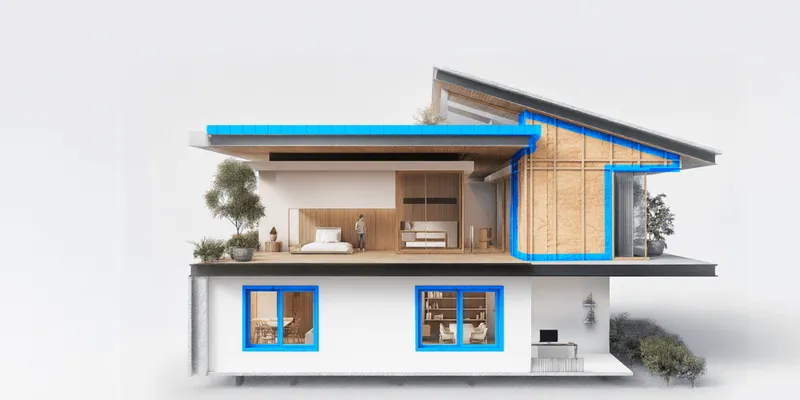
A European R&D Collaboration to Cut Carbon in Construction
SOPREMA leads the EU-funded HIBISCUS project to develop bio-based building materials, reducing carbon emissions and supporting Europe’s Green Deal goals.
SOPREMA, together with eleven European partners, has launched the HIBISCUS R&D project, a major European initiative aimed at developing new bio-based construction materials to reduce dependency on fossil resources. The project supports the European Union’s Green Deal and Bioeconomy Strategy, targeting a more sustainable, circular construction industry.
A Step Toward Greener Construction
Coordinated by SOPREMA, the HIBISCUS project focuses on three core objectives:
- Replacing fossil-based raw materials with bio-based alternatives.
- Reducing carbon emissions while promoting circular economy practices.
- Maintaining technical performance that meets European standards.
As the construction industry accounts for a significant portion of CO₂ emissions and waste, SOPREMA’s leadership in this project marks a decisive step toward sustainable transformation.
A European Collaboration for Sustainable Innovation
The HIBISCUS consortium unites leading research and industry organizations across Europe, including BIOECONOMY FOR CHANGE, Cellmat Technologies, CNRS & University of Strasbourg, CSTB, Fraunhofer, IFEU, INDRESMAT, KRATON, LEITAT, University of Liège, and VITO.
This collaborative effort aims to prove the feasibility and scalability of bio-based materials, demonstrating how these alternatives can match performance standards while significantly cutting carbon footprints.
The project will focus on five innovative bio-based solutions for building envelopes:
- Two roofing waterproofing systems (using pine chemistry and waste cooking oil)
- Two thermal and acoustic insulation products (based on vegetable oils, lignin, and carbohydrates)
- One carpentry material (derived from vegetable oils and lignin)
Ambitious Sustainability Goals
“These innovations should enable a 25% reduction in carbon footprint by 2029 compared to conventional materials, while ensuring the same technical performance and compliance with European standards,” said Rémi Perrin, R&D Director at SOPREMA.
Funded by Horizon Europe
The HIBISCUS project operates with a total budget of €9.2 million, including €7.5 million co-financed by the European Commission’s Horizon Europe program and the Bio-Based Industries Consortium (BBI) through the Circular Bio-based Europe Joint Undertaking (CBE-JU) under Grant Agreement No. 10121408.
This initiative highlights Europe’s strong commitment to developing sustainable construction technologies that align with climate neutrality objectives.