Smart Textile For Military Market To Reach $ 8.1 Billion By 2033
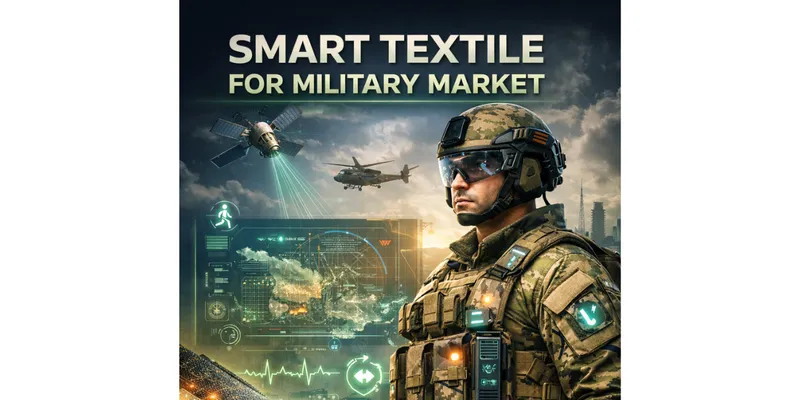
According to research Intelo, the Global Smart Textile for Military market size was valued at $2.4 billion in 2024 and is projected to reach $8.1 billion by 2033, expanding at a CAGR of 14.2% during 2024–2033. The rapid advancement in wearable technology and the integration of intelligent textiles into military uniforms and gear are major factors driving this market’s robust growth globally. The increasing need for enhanced soldier safety, real-time health monitoring, and improved communication capabilities in the defense sector is fueling the adoption of smart textiles. These textiles are embedded with sensors, actuators, and advanced materials that provide functionalities such as protection, health monitoring, and energy harvesting, making them indispensable for modern military applications
What are the Key Drivers involved in the Swarm Robotics in Agriculture Market?
Sensor Integration
Sensors are at the heart of smart textiles. They collect real-time data on both the soldier and the surrounding environment. These sensors are designed to be flexible and durable, maintaining functionality even under stress.
Internet of Things (IoT) Connectivity
With IoT integration, smart textiles become part of a larger connected ecosystem. Data collected from uniforms can be transmitted to central systems, providing commanders with valuable insights during missions.
Energy Harvesting Systems
One of the biggest challenges in wearable technology is power supply. Smart textiles are now incorporating energy-harvesting technologies that convert body movement, heat, or solar energy into usable power, reducing reliance on batteries.
Advanced Materials and Nanotechnology
Innovations in nanotechnology are enabling the development of lighter, stronger, and more efficient fabrics. These materials enhance durability while maintaining comfort and flexibility.
High Development Costs
The integration of electronics into fabrics requires advanced manufacturing processes, which can be expensive. This can limit widespread adoption, especially in cost-sensitive regions.
Durability Concerns
Military textiles must withstand harsh conditions, including extreme temperatures, moisture, and physical stress. Ensuring long-term durability while maintaining functionality remains a challenge.
Data Security Risks
As smart textiles collect and transmit sensitive information, they can become targets for cyber threats. Ensuring secure data transmission is a critical concern for defense agencies.
Emerging Trends
Smart Combat Uniforms
Next-generation combat uniforms are being designed as complete systems rather than standalone garments. These uniforms integrate communication tools, health monitoring systems, and environmental sensors into a single platform.
Lightweight and Flexible Electronics
Advancements in flexible electronics are making smart textiles more comfortable and practical for daily use in the field.
Sustainable Innovations
There is a growing focus on developing eco-friendly smart textiles. Researchers are exploring biodegradable materials and sustainable production methods to reduce environmental impact
- BAE Systems
- DuPont
- Koninklijke Ten Cate NV
- W. L. Gore & Associates
- Outlast Technologies LLC
- Gentherm Incorporated
- Ohmatex ApS
- BeBop Sensors
- Schoeller Textil AG
- Directa Plus plc
- Selex ES (Leonardo S.p.A.)
- Textronics Inc.
- Advanced Functional Fabrics of America (AFFOA)
- Interactive Wear AG
- AiQ Smart Clothing Inc.
- Hexoskin (Carré Technologies Inc.)
- Globe Manufacturing Company LLC
- Xenoma Inc.
- Vista Outdoor Inc.
Source: https://researchintelo.com/report/smart-textile-for-military-market