Smart, Green, and Safe: The Future of Building Insulation Market
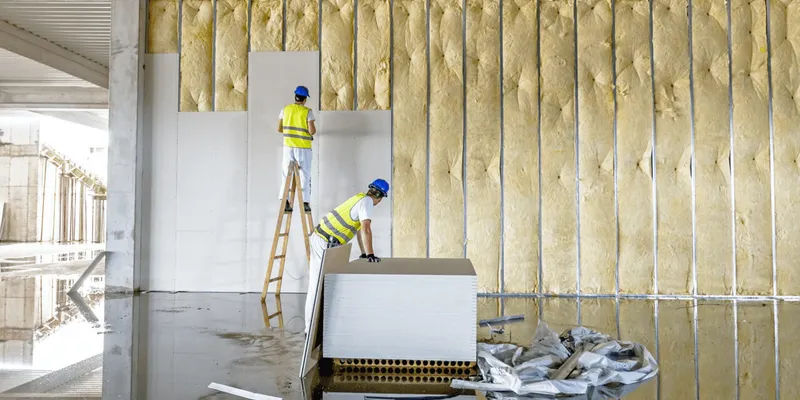
The global construction sector is undergoing a rapid transformation, driven by the rising need for sustainability, energy efficiency, and advanced materials. At the heart of this shift, the Building Insulation Market is evolving with breakthrough innovations designed to enhance thermal performance, cut carbon emissions, and support greener urban development.
This momentum stems from stricter building codes, soaring energy costs, and growing demand for green buildings, pushing companies, governments, and research bodies to reimagine insulation solutions.
Key Innovations Reshaping the Market:
- Smart Insulation Materials: Advanced aerogels, phase change materials (PCMs), and vacuum insulation panels (VIPs) deliver superior thermal performance while saving space. PCMs dynamically regulate indoor temperatures, while VIPs offer up to 10x the efficiency of traditional insulation.
- Sustainable & Bio-Based Materials: Eco-friendly solutions derived from hemp, sheep wool, cork, and cellulose are gaining traction. These materials support circular economy initiatives and meet green certification standards like LEED and BREEAM.
- Nanotechnology in Insulation: Nano-insulation materials (NIMs) provide ultra-thin, highly efficient heat barriers. Nanocoatings add moisture resistance and fire protection, proving critical for urban and high-rise projects.
- Digital & Smart Home Integration: IoT-powered insulation equipped with sensors monitors temperature, humidity, and energy use in real time, helping optimize building performance and align with digital twin models.
- Fire-Safe Insulation: Mineral wool, fiberglass composites, and treated foams with non-toxic, halogen-free properties are being adopted to ensure both safety and energy performance in compliance with strict global codes.
- Recycling & Circular Economy: Insulation products are increasingly manufactured from recycled PET bottles, gypsum, and mineral byproducts, reducing landfill waste while lowering production costs.
- Regional Drivers:
- Asia-Pacific: Urbanization and smart city projects in China and India.
- Europe: Leading adoption of sustainable insulation due to climate policies.
- North America: Strong demand for retrofit projects supported by government incentives.
- Emerging Markets: Latin America and the Middle East are beginning to explore advanced insulation as construction activity grows.
The Role of Policy & Standards:
Green building regulations, net-zero energy targets, and certifications such as Energy Star, LEED, and BREEAM are accelerating the adoption of innovative insulation technologies worldwide.
According to Fairfield Market Research, the Building Insulation Market is poised for strong growth, opening opportunities for manufacturers, developers, and policymakers to collaborate. By adopting smarter, greener, and safer insulation solutions, the industry can build future-ready infrastructure that balances comfort, efficiency, and sustainability.