Skid Mounted Systems: The Future of Modular Industrial Solutions
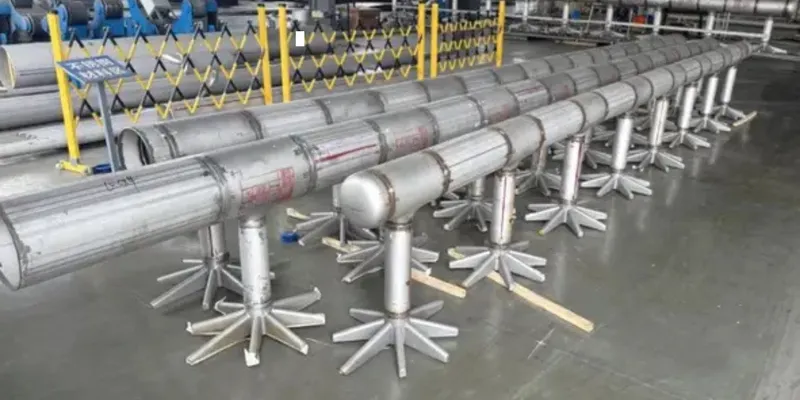
Across manufacturing industries, project teams are under pressure to reduce installation time, improve quality control, and avoid costly site delays. That is one reason skid-mounted systems are becoming a preferred solution for modern industrial plants.
A skid-mounted system is a complete process unit assembled on a structural frame before it reaches the project site. Pumps, valves, piping, instrumentation, control panels, and supporting equipment are integrated and tested in advance. Instead of building everything piece by piece in the field, operators receive a ready-to-install package.
For manufacturing projects, this approach brings several clear advantages.
First, it shortens project schedules. Site work is often delayed by labor shortages, weather, layout conflicts, and coordination problems between contractors. With skid-mounted units, much of the fabrication and assembly work is completed in a controlled workshop environment. This reduces on-site construction hours and helps plants move from installation to commissioning faster.
Second, it improves quality consistency. Factory fabrication allows tighter supervision of welding, alignment, piping layout, and instrumentation integration. Teams can run inspections and functional checks before shipment, which lowers the risk of rework after delivery. For facilities where uptime matters, that reliability is a major benefit.
Third, it supports easier expansion and modernization. Many manufacturing plants need utility modules such as water treatment, chemical dosing, compressed air systems, thermal fluid units, and process circulation packages. Skid-mounted designs make it easier to add or upgrade these systems without disrupting the whole plant.
This is especially relevant for textile and process manufacturing operations, where production depends on dependable utilities, stable fluid handling, and efficient space use. A modular package can help simplify installation in crowded plants while also improving maintenance access.
Another advantage is safer project execution. Less field welding, less field fitting, and fewer open-ended site adjustments can reduce construction risk. For project owners, that means better cost predictability and smoother startup planning.
As more manufacturers focus on speed, standardization, and lifecycle efficiency, skid-mounted engineering is moving from a niche option to a practical project strategy. Companies looking for a dependable skid-mounted systems manufacturer often prioritize suppliers that can combine engineering, fabrication, integration, and testing into one delivery model.
In a competitive manufacturing environment, the ability to install faster and operate with fewer surprises is no longer a luxury. It is a project advantage.
Skid-mounted delivery also helps procurement and project management teams work more efficiently. Instead of sourcing and coordinating multiple loose components from different suppliers, buyers can manage one integrated package with clearer technical responsibility. This simplifies communication during design review, reduces interface disputes during installation, and makes documentation more organized for inspection, maintenance, and future upgrades. For manufacturers trying to control both capital cost and commissioning risk, that level of coordination can make a meaningful difference.