SITRA Proposes ₹80-Crore Project to Advance Green Textile Processing in Tiruppur
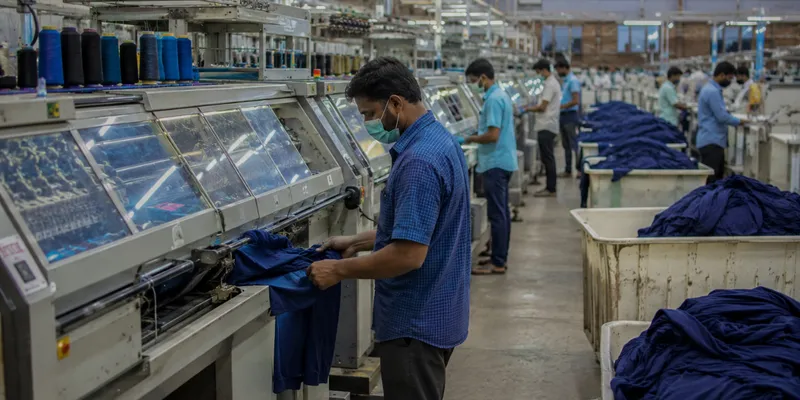
Centre of Excellence planned to support sustainable textile processing through advanced technologies and a common effluent treatment plant.
The South India Textile Research Association (SITRA), a textile research institution based in Coimbatore, has proposed an ₹80-crore project to encourage green textile processing.
The 70-year-old research organisation has appealed to the Tamil Nadu and Union governments to support the initiative, as Indian textile and apparel exporters increasingly adopt sustainable production practices.
Prakash Vasudevan, director of SITRA, told The Hindu that the proposal involves establishing a Centre of Excellence in Tiruppur, a major garment manufacturing hub, while strengthening the research and development facilities at SITRA’s Coimbatore campus.
The project is intended to help garment and made-up manufacturers reduce water and salt consumption in textile processing to meet the sustainability requirements of western buyers.
According to the proposal, the Centre of Excellence will be developed on 2-3 acres and linked to a common effluent treatment plant (CETP). Textile processing units connected to the CETP are expected to benefit from the technologies introduced through the Centre of Excellence.
SITRA has already undertaken work on saltless dyeing technologies and is also developing waterless dyeing solutions. Prakash Vasudevan said the research activities will continue.
A. Sakthivel, chairman of the Apparel Export Promotion Council, urged Union Textile Minister Giriraj Singh to support the project during the Minister’s recent visit to Tiruppur.
Tiruppur and the nearby town of Perundurai are among the major textile processing centres. While dyeing units in Tiruppur have adopted zero liquid discharge systems, industry sources said sludge disposal continues to be a significant challenge for effluent treatment plants.