Self-Cleaning Textile Finish Market to Hit $3.41 Billion by 2033
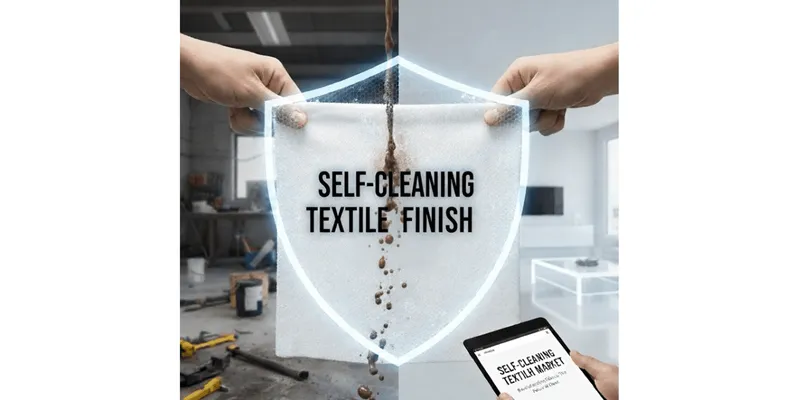
Rising demand for low-maintenance, hygienic and sustainable home textiles
The global self-cleaning textile finish market is set for rapid expansion, driven by lifestyle shifts, nanotechnology advancements and growing demand for convenient, durable fabrics.
Market Overview:
Research Intelo reports that the global self-cleaning textile finish market, valued at $1.28 billion in 2024, is on track to reach $3.41 billion by 2033, registering a strong CAGR of 11.5% between 2024 and 2033. The surge is driven by rising demand for easy-care, long-lasting, and hygienic textile products across residential, commercial, and healthcare spaces. As lifestyles shift toward convenience and cleanliness, self-cleaning finishes are increasingly preferred for extending fabric life, reducing laundry cycles, and offering antimicrobial protection. Continuous advancements in nanotechnology and surface-coating innovations are further enhancing product performance and affordability — widening adoption globally.
1. What Are Self-Cleaning Textile Finishes?
Self-cleaning textile finishes are specialized surface treatments applied to fabrics to help them resist dirt, stains, odors and even harmful microorganisms. Inspired by natural mechanisms like the lotus leaf effect or powered by nanotechnology, these finishes keep fabrics cleaner for longer with minimal upkeep.
Two Key Technologies:
- Hydrophobic coatings: Prevent liquid absorption and staining.
- Photocatalytic coatings: Break down organic residues when exposed to light.
These technologies are increasingly incorporated into home textiles — from upholstery to towels — giving everyday items enhanced durability and hygiene.
2. Why Home Textiles Are Rapidly Adopting Self-Cleaning Finishes
The growth is practical and lifestyle-driven:
- Convenience for busy households: Reduced washing saves time, energy and effort.
- Focus on hygiene: Post-pandemic consumers prefer odor-resistant, germ-repelling fabrics.
- Sustainable living: Less washing lowers water usage and detergent pollution.
- Improved fabric longevity: Enhanced protection prevents fading, wear and staining.
3. Where Self-Cleaning Textiles Are Transforming the Home
Living Room
- Stain-resistant sofas
- Dust-repellent curtains
- Long-lasting, fresh-smelling cushions
Bedroom
- Sweat- and oil-resistant bedsheets
- Sunlight-activated self-cleaning comforters
Bathroom
- Fast-drying, mildew-resistant towels
- Bacteria-resistant bathmats
Kitchen
- Spill-proof table linens
- Splash-resistant chair cushions
Outdoor Areas
- Water-repellent cushions
- Dirt-resistant umbrellas
4. Market Drivers Behind the Rising Momentum
- Advancing Nanotechnology making coatings more affordable.
- Smart Home Growth increasing demand for intelligent, low-maintenance fabrics.
- Global E-Commerce Expansion widening awareness and accessibility.
- Modern Interior Trends favoring minimalist, easy-care textiles.
5. What the Future Holds for Self-Cleaning Home Textiles
- Hybrid functional finishes combining cleaning capabilities with temperature regulation or moisture control.
- Eco-friendly, bio-based coatings supporting sustainable manufacturing.
- AI-integrated smart textiles capable of responding to spills or monitoring environmental conditions.
- More colour-fast, soft-touch finishes ensuring comfort without compromising performance.
6. Why This Market Matters
For Consumers:
- Saves time and effort
- Reduces laundry frequency
- Promotes a cleaner, healthier home
- Enhances décor longevity
For Brands & Manufacturers:
- Strong product differentiation
- Higher margins
- Greater brand loyalty
- Forward-looking market positioning
7. Competitive Landscape
Key players shaping the market include:
Dow Chemical Company, Nanotex LLC, Ahlstrom-Munksjö, HeiQ Materials AG, P2i Ltd., Glen Raven Inc., Schoeller Textil AG, BASF SE, Huntsman Corporation, Archroma, Rudolf Group, Akzo Nobel N.V., Evonik Industries AG, Clariant AG, Toyo Textile Co. Ltd., Balavigna Weaving Mills Pvt. Ltd., Cotton Incorporated, Shandong Sinocera Functional Material Co. Ltd., and Noble Biomaterials Inc.
Final Thoughts
According to Research Intelo, self-cleaning textile finishes are transitioning from niche innovations to mainstream essentials within the home textile industry. As consumers increasingly seek smart, hygienic and eco-friendly solutions, demand for these finishes will continue rising. Cleanliness is now integrated into the fabric — not added as an afterthought.
Source: Research Intelo