RUBY MILLS
- Introduction
Introduction of the company
Founded back in 1917, The Ruby Mills Limited runs as a textile maker rooted in India. Its base sits in Mumbai, where operations have grown over decades. Instead of just clothing materials, it weaves fabrics meant for fashion, industry, and specialized uses. Different sectors rely on what they build here. Time has shaped its role beyond basic cloth production..
Industry overview
Ruby Mills operates in the Textile Industry, which is an important sector in India that contributes to employment, exports, and economic growth.
Purpose of the Analysis
The purpose of this analysis is to evaluate the financial performance, strengths, and future growth potential of Ruby Mills.
- Company Overview
Background and History
Starting life in 1917, The Ruby Mills Limited took root in Mumbai. A century plus later, it still runs deep in textiles - time shaped its path instead of trends.
Business Model
Fabrics roll off production lines here before heading out to clothing makers, designers, or factories needing material by the yard. Their output travels beyond runways into workwear, protective gear, even heavy-duty uses you might not expect.
Key Products/Services
Fabrics flow from Ruby Mills - woven threads shaping wardrobes, machinery covers, even gear for tough environments. Their looms spin out material that slips into jackets, wraps around factory parts, finds purpose beyond runways. Each bolt carries function stitched with subtle design sense. Not just cloth, but structure meeting style in quiet balance.
Market Position
A steady presence in India's textile scene comes from years of know-how along with reliable output. What keeps it standing is not just time spent but how well things are made.
- Promoter /Founder Introduction
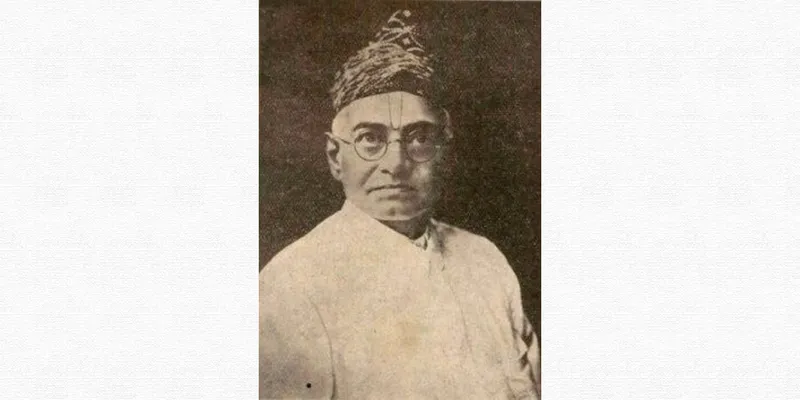
Narottam Morarjee
Name of Promoter or Founder
Early on, Jamsetji Tata worked alongside Narottam Morarjee in backing The Ruby Mills Limited. Their involvement helped shape its beginning steps into industry.
Professional Background
Famous figures in industry, these leaders brought deep knowledge of textiles and commerce across India. Their work helped shape how fabrics are made today. Through years of effort in mills and markets, progress took root slowly but surely.
Role in Company Growth and Strategic Decisions
Firm footing came first, shaped by clear choices and steady hands during the startup years in textiles. Growth followed a quiet rhythm, nudged forward by decisions made early on. Direction shifted only slightly, held close to original aims through seasons of change.
- Financial Statement Analysis
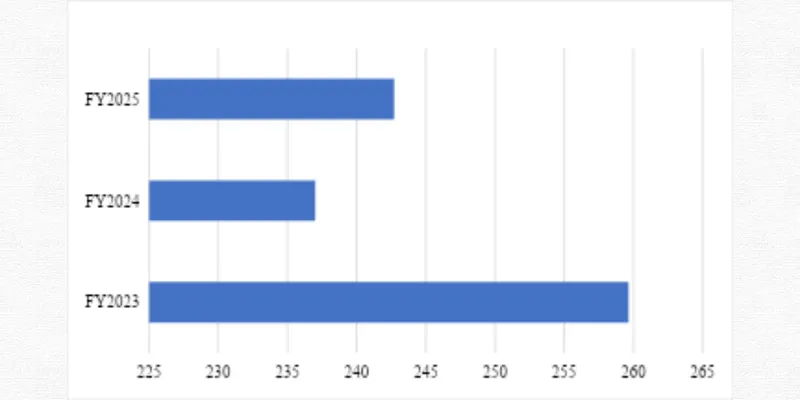
Income Statement Analysis (₹ Crore)
Year | Revenue | Net Profit |
|---|---|---|
FY2023 | 260 | 35 |
FY2024 | 237 | 44 |
FY2025 | 243 | 42 |
- Revenue increased slightly from ₹237 Cr in FY2024 to ₹243 Cr in FY2025.
- Net profit declined from ₹44 Cr to ₹42 Cr due to higher costs and margin pressure.
Revenue Chart
Balance Sheet Analysis (₹ Crore)
Year | Total Assets | Total Liabilities | Equity |
|---|---|---|---|
FY2023 | 803 | 401 | 559 |
FY2024 | 818 | 275 | 600 |
FY2025 | 972 | 401 | 637 |
- Total assets increased to ₹972 Cr in FY2025 showing expansion.
- Equity also increased to ₹636 Cr, indicating stronger shareholder funds.
Cash Flow Statement (₹ Crore)
Cash Flow Type | Amount |
|---|---|
Operating Cash Flow | -₹35 Cr |
Investing Cash Flow | -₹81 Cr |
Financing Cash Flow | +₹100 Cr |
- Negative operating cash flow indicates pressure in cash generation.
- Financing inflows suggest increased borrowing or funding activities.
Key Financial Ratios (FY2025)
Ratio | Value |
|---|---|
Net Profit Margin | ~17.4% |
Current Ratio | 2.90 |
Debt to Equity | 0.51 |
Return on Equity | ~6–7% |
- Good liquidity position but moderate profitability.
Year-on-Year Comparison
- A small rise in earnings appeared between FY2024 and the next year. Instead of staying flat, numbers edged upward just a bit.
- Falling just short of stability, net profit dipped roughly 5 percent.
- Fresh growth shows up in both assets and ownership value, pointing to a company on the move. A bigger footprint takes shape through expanded resources paired with stronger capital backing.
- Cash flow remains a concern for the company
- Key Insights & Interpretation
Strengths
- Over 100 years of experience in the Textile Industry.
- Known widely when it comes to durable textiles built with precision. Fabric performance stands out because of careful engineering behind every thread.
- Fashion lines sit beside industrial solutions in the mix. Different needs met through one set of offerings.
Weaknesses
- Last few years brought little change in earnings. Growth, Not much happened lately.
- Fueled by shifts in what buyers want, clothing production leans heavily on cotton costs. Price swings ripple through when farms charge more for fibers.
Risk Factors
- Fresh shifts in pricing for cotton plus textiles. Costs of cloth basics now on the move. Raw fibers see uneven value changes. Market sees drifts in textile ingredient prices. Cotton figures rise then fall without warning.
- Strong competition from domestic and international textile companies.
Future Outlook
- Fueled by rising needs, technical textiles could open fresh paths forward. Instead of fading, these materials gain ground through niche uses. What shifts is how industries adopt them - slowly at first, then with momentum. Specialized fabrics find room where others fail. Driven less by trend than function, they adapt quietly. Opportunities emerge not from hype but real-world fit.
- Fresh ideas in making cloth might lift how others see the business. A stronger spot in the marketplace could come from trying new methods while growing output.
- Conclusion
Financial Health:
Now showing steady results, the firm holds decent earnings along with deep roots in its field. Performance stays consistent, thanks to years spent learning the trade up close.
Investment / Performance:
Over time, the Textile Industry could see expansion, though progress might come slowly.
- Data Sources