Rooftop Solar PV Systems Transform Global Energy Use
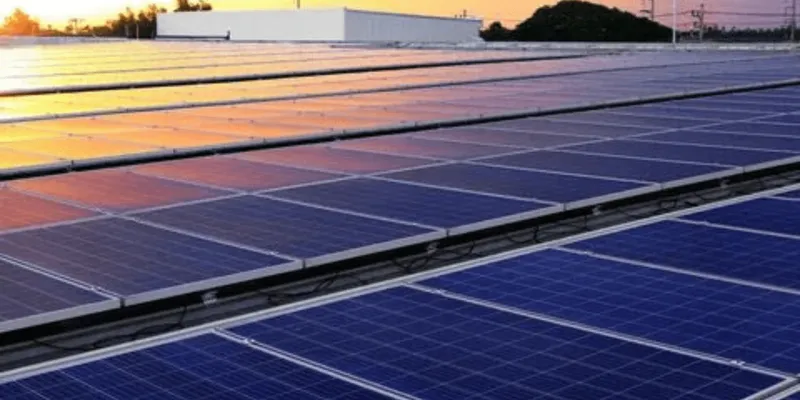
Decentralized solar technology empowers homes and businesses to achieve sustainability, cost efficiency, and energy independence.
As global energy needs rise and climate urgency grows, Rooftop Solar PV systems are emerging as a key solution to redefine modern power generation. By enabling decentralized energy production, lowering electricity costs, and promoting independence from conventional grids, these systems are revolutionizing both residential and commercial energy consumption worldwide.
The Rise of Rooftop Solar PV: A New Energy Revolution
With growing environmental concerns and the world’s demand for cleaner power, Rooftop Solar PV systems are transforming how energy is generated and consumed. According to Fairfield Market Research, this market is undergoing a significant transition fueled by government incentives, rapid technological progress, and declining installation costs. The technology is now a cornerstone of sustainable energy adoption across homes, industries, and institutions.
A Shift Toward Decentralized Power Generation
Traditional electricity systems depend on centralized grids, often resulting in energy losses and inefficiencies during transmission. In contrast, Rooftop Solar PV solutions decentralize power generation, allowing individual homes, schools, factories, and offices to produce their own clean electricity.
This distributed model strengthens grid resilience, lowers peak demand pressures, and allows consumers to contribute directly to sustainable energy networks. By feeding surplus power back into the grid, users help build a more balanced, reliable, and eco-friendly power ecosystem.
Economic Benefits: Cost Efficiency and Independence
The falling cost of solar technology—panel prices have dropped by over 80% in the past decade—has made rooftop solar installations accessible to households and small businesses alike.
Residential systems can offset 70–90% of electricity bills, while commercial users benefit from even greater savings due to high consumption patterns. Moreover, tax credits, accelerated depreciation, and green financing schemes are making solar a financially smart investment.
Beyond savings, energy independence is a major advantage. By reducing reliance on traditional grid power, users are protected from tariff hikes and power shortages. Paired with battery storage, rooftop solar systems can sustain operations even during outages, ensuring continuous power and comfort.
Innovation Driving the Rooftop Solar Market
Technological advancement remains at the heart of this transformation. Modern PV modules achieve conversion efficiencies exceeding 22%, while innovations like bifacial panels and building-integrated photovoltaics (BIPV) are expanding design versatility and space optimization.
Smart inverters, AI-driven energy management, and IoT-enabled monitoring systems now allow for real-time performance tracking and predictive maintenance, significantly improving system efficiency and ROI.
Government Policies Powering Expansion
Supportive policies worldwide are accelerating rooftop solar adoption. Subsidies, feed-in tariffs, and net-metering initiatives are making solar financially viable across regions.
In India, the PM Surya Ghar: Muft Bijli Yojana aims to install rooftop solar in 10 million households, offering up to 300 free electricity units monthly. The U.S. Investment Tax Credit (ITC) provides federal deductions on installation costs, while countries like Germany and the Netherlands continue to reward consumers for exporting surplus energy.
These frameworks are making solar not just a sustainable choice—but an economically strategic one.
Commercial Solar: Sustainability with Strategic Advantage
For businesses, rooftop solar offers more than cost reduction—it strengthens corporate ESG goals and enhances brand value. Warehouses, hospitals, malls, and universities are leveraging vast rooftops to produce clean power, cut carbon emissions, and stabilize long-term energy expenses.
Early adopters enjoy competitive advantages through reduced operational costs, positive stakeholder perception, and alignment with global sustainability benchmarks.
The Growing Role of Energy Storage and Smart Grids
Energy storage technologies are revolutionizing how rooftop solar operates. Battery systems store surplus power for nighttime or emergency use, maximizing self-consumption and reliability.
Meanwhile, smart grids enable two-way energy communication, allowing consumers to sell unused electricity back to the grid. This model not only adds flexibility but also creates new revenue opportunities, marking a major milestone in the evolution of decentralized energy systems.
Solar Expansion Across Urban and Rural Landscapes
Urban areas have led rooftop solar adoption, but rural regions are now emerging as vital growth zones. In remote areas lacking reliable grid access, microgrids powered by rooftop solar are transforming local economies by powering small enterprises, schools, and health centers.
As battery and microgrid technologies become more affordable, rural solar deployment will further accelerate, bridging energy divides and fostering inclusive development.
Driving Sustainability and Carbon Reduction
Every kilowatt-hour generated from rooftop solar offsets greenhouse gas emissions from fossil fuels. Broad adoption could eliminate millions of tons of CO₂ annually, making a crucial contribution to global climate commitments under frameworks like the Paris Agreement.
Fairfield Market Research highlights rooftop solar as a key component of the world’s journey toward carbon neutrality and long-term energy sustainability.
Overcoming Barriers: The Road Ahead
While the sector is expanding rapidly, challenges remain—such as upfront investment, structural constraints in older buildings, and inconsistent policy enforcement in some regions. However, innovations in leasing models, power purchase agreements (PPAs), and solar financing are helping to close these gaps.
With technology advancing and costs falling further, rooftop solar is poised to become a universal energy solution, driving both environmental and economic transformation.