Robotic textile inspection systems market to reach USD 2.84 billion by 2033
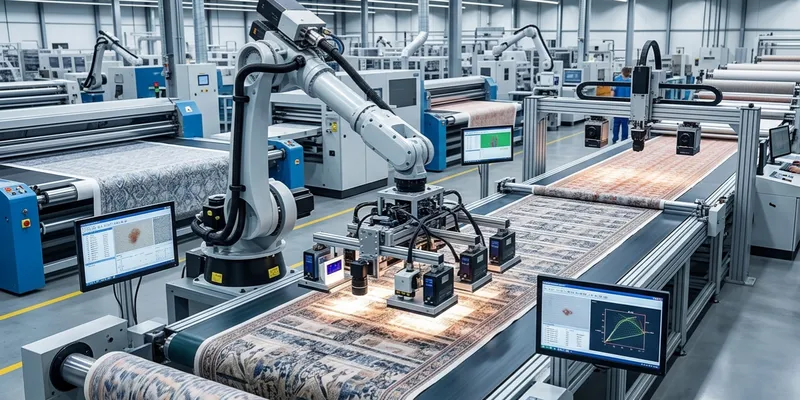
The global robotic textile inspection systems market was valued at USD 1.23 billion in 2024, according to Growth Market Reports. The market is projected to grow at a CAGR of 9.7% during the forecast period, reaching USD 2.84 billion by 2033. Growth is being supported by increasing adoption of automation and advanced quality control technologies in textile manufacturing.
The growing need for quality assurance remains a primary factor supporting market expansion. Textile manufacturers are required to meet strict international standards, and automated inspection systems help detect minor defects that may not be identified through manual processes.
Rising labour costs and workforce constraints are also contributing to the shift toward automation. Manual inspection processes are becoming less viable in several regions due to increasing wages and labour shortages, prompting manufacturers to adopt automated solutions that improve efficiency and throughput.
The expansion of technical and industrial textiles across sectors such as automotive, healthcare, and construction is further increasing the demand for advanced inspection technologies. These applications require high levels of precision, as defects can impact product safety and performance.
The adoption of Industry 4.0 technologies, including IoT integration and cloud-based systems, is supporting the deployment of robotic inspection solutions. These systems enable real-time monitoring, predictive maintenance, and data-driven decision-making within manufacturing environments.
Technological developments are shaping the market, particularly through AI-powered defect detection. These systems can identify complex issues such as pattern irregularities and colour variations, improving accuracy and reducing false detection rates.
Cloud-based inspection platforms allow manufacturers to store and analyse inspection data remotely, supporting operational optimisation and maintenance planning. In addition, digital twin technology is being explored to simulate inspection processes and enable real-time adjustments to improve system performance.
Advancements in robotics and sensor technologies, including 3D imaging and tactile sensing, are enhancing the ability to inspect complex and deformable textile materials. These innovations address challenges associated with handling flexible fabrics during inspection.
Opportunities for market growth are expected in emerging economies, where industrialisation and investments in textile manufacturing are increasing. Demand is also rising for flexible and customisable inspection systems capable of adapting to different fabric types and production requirements.
Robotic inspection systems are also contributing to sustainability efforts by reducing material waste through early defect detection. This aligns with broader industry initiatives focused on efficient resource utilisation.
Looking ahead, integration with smart factory environments is expected to play a significant role, enabling automated workflows from production to quality control and packaging.
Key companies operating in the global robotic textile inspection systems market include Shelton Vision, Uster Technologies, Elbit Vision Systems (EVS), BarcoVision, Amsler Textech, Shenzhen Smartech Technology, Erhardt+Leimer, Qvision Systems, LaVision, Saurer AG, AUTEFA Solutions, and Menzel Vision & Robotics.
Source :
https://growthmarketreports.com/report/robotic-textile-inspection-systems-market