Rhea’s Factory Partners with Niagara Bottling to Validate Enzymatic PET Recycling
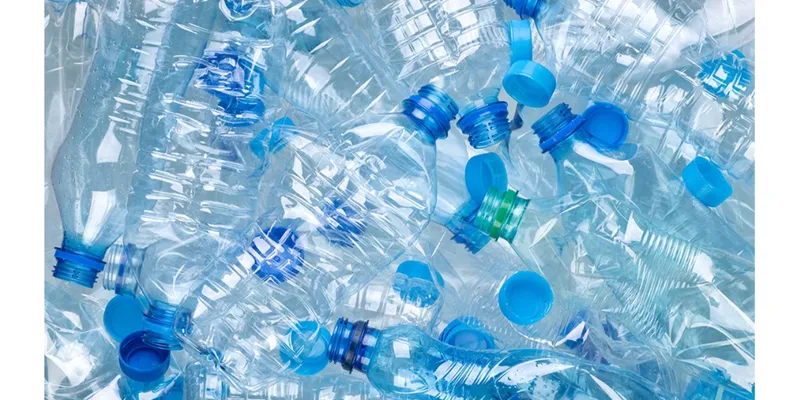
The US Department of Energy-backed project will test RheaCycle at Niagara’s California facility, assessing energy and water use during the recovery of PET building blocks.
Rhea’s Factory Inc., a biotechnology company developing enzymatic PET recycling technology, has partnered with Niagara Bottling LLC under the US Department of Energy’s (DOE) Industrial Technology Validation (ITV) programme. The project will validate RheaCycle, an enzymatic depolymerization platform, under industrial operating conditions at Niagara’s PET recycling facility in Vernon, California.
DOE Programme Supports Industrial Validation
The project is among nine selected nationwide for the DOE’s ITV programme, which has a combined funding allocation of $3 million, according to Rhea’s Factory. Administered by the DOE’s Industrial Technologies Office, the programme pairs technology developers with industrial host sites to test technologies under real production conditions.
Experts from the DOE’s Lawrence Berkeley National Laboratory will independently measure and verify the project’s performance, Rhea’s Factory said.
Enzymatic Technology Targets Multiple PET Waste Streams
RheaCycle combines artificial intelligence-designed enzymes with a proprietary downstream separation process to break polyethylene terephthalate (PET) into terephthalic acid and ethylene glycol. These recovered monomers can then be repolymerized into new PET.
According to Rhea’s Factory, the enzymes selectively act on PET, allowing the process to handle a range of post-consumer feedstocks, including thermoforms, contaminated PET and polyester textiles. The company says the recovered materials can be used to produce new PET for food-grade packaging.
Energy and Water Consumption to Be Assessed
The validation project will evaluate the integrated system under industrial operating conditions. Rhea’s Factory says its enzymatic depolymerization process operates at low temperatures and atmospheric pressure, making energy efficiency a key design metric.
The project will measure energy and water consumption per kilogram of recovered monomer to assess the technology’s performance at the industrial site.
“Bringing a technology like this to commercial scale takes more than good science,” says Rhea’s Factory CEO and co-founder Arzu Sandikci. “It takes a federal program willing to fund independent validation, a national laboratory willing to measure it, an industry partner like Niagara willing to host it and a startup that has already proven the science and built the process to run at industrial scale. This project brings all four together, and that’s how a new industry gets built.”
Niagara’s PET Recycling Operations
Niagara’s participation builds on its May 2026 acquisition of the Vernon recycling and packaging facility and the rPlanet Earth brand. The facility processes PET into recycled PET (rPET) flakes and pellets for use in Niagara’s packaging operations.
RheaCycle will be installed as a parallel line at the site, expanding the range of PET materials that can be processed for food-grade applications without modifying Niagara’s existing operations.
Mechanical and Enzymatic Recycling Approaches
Rhea’s Factory describes mechanical and enzymatic recycling as complementary approaches. Mechanical recycling remains the preferred route for clean bottle streams, according to the company, while enzymatic depolymerization offers another pathway for PET streams that do not meet mechanical recycling specifications.
The company says this approach could expand the range of collected PET suitable for recovery and improve processing economics. The DOE-backed project will provide independent performance measurements under industrial conditions.