Reinterpreting Korean Street Fashion through Sustainable Design Practices; A path through Eco-conscious Urban Fashion
RESEARCH PAPER
By Nithuna Suresh K

Nithuna Suresh K
- ABSTRACT
Korean street fashion has emerged as a distinctive and influential cultural phenomenon, shaped by Seoul’s dynamic urban landscape, youth creativity, and the global reach of K-pop and media culture. Beyond its aesthetic appeal, Korean streetwear functions as a form of soft power, projecting the country’s cultural identity and influencing global fashion sensibilities. At the same time, the Korean fashion industry faces pressing sustainability challenges, including overproduction, fast-fashion consumption patterns, and environmental degradation. This research investigates how sustainable design practices can be integrated into Korean street fashion, maintaining its cultural vibrancy while promoting ecological responsibility.
The study engages with multiple research areas, including the role of street fashion in shaping cultural identity, global and Korean sustainability frameworks such as slow fashion, circular design, and eco-conscious material innovation, and the broader influence of digital platforms in disseminating fashion trends. Case studies of Korean brands such as RE;CODE (upcycling and waste reduction), ADER error (experimental streetwear and slower consumption cycles), Gentle Monster (cultural storytelling and soft power), and WOOYOUNGMI (timeless tailoring and sustainable design) provide practical examples of how sustainability intersects with urban fashion aesthetics.
Methodologically, the research adopts a qualitative, conceptual, and analytical approach, combining literature review, case study analysis, and visual ethnography of Seoul’s street fashion through media, social platforms, and photographic documentation. Based on these analyses, the study proposes a conceptual framework for sustainable Korean streetwear, highlighting strategies for designers and industry stakeholders to balance cultural influence with environmental accountability.
Personally, as a designer deeply inspired by Korean fashion culture, this research represents both an academic exploration and a creative endeavor to understand how fashion can act as a medium for cultural expression and ecological stewardship. The findings aim to demonstrate that urban streetwear, when aligned with sustainable principles, can reinforce Korea’s soft power globally while advancing eco-conscious practices in contemporary fashion.
Keywords; Street fashion, Sustainable Design, Soft power, Urban fashion, Circular economy, Korean Culture
- INTRODUCTION
South Korea certainly isn’t alone in its struggle to balance economic growth with eco-consciousness, but it is actively working towards solutions to better bridge this gap. These efforts have been particularly visible within the fashion industry, with South Korea emerging as a dynamic hub for the growing sustainable fashion movement in recent years. Korean street fashion is increasingly integrating sustainable practices, with brands using recycled materials, upcycling waste, and employing waterless dyeing and eco-friendly printing methods. Neighborhoods like Hongdae and Gangnam in Seoul serve as vibrant fashion laboratories, where young designers, students, and enthusiasts experiment with bold silhouettes, playful layering, and gender-fluid aesthetics. Beyond aesthetics, Korean streetwear operates as a form of soft power, shaping perceptions of Korean culture globally, reinforcing national identity, and extending Korea’s influence in creative industries worldwide. In the realm of sustainable fashion, South Korea boasts a diverse range of key players and influential figures who are driving the movement forward. Korean fashion brands and designers have embraced sustainability as a core value, infusing their collections with eco-friendly materials, ethical production processes and responsible business practices. Bigger brands like UL:KIN and PARTsPARTs have gained global recognition for their commitment to sustainable fashion, creating garments that combine aesthetics with a low environmental footprint. On a more local level, smaller brands like Pado of Seoul and Eclatto have helped champion upcycled and circular fashion by transforming discarded materials into innovative and stylish pieces.
This research addresses the critical gap in integrating sustainability into urban street fashion by examining how eco-conscious design principles can be systematically embedded within Korean streetwear while maintaining its cultural distinctiveness and global appeal. The study recognizes that contemporary street fashion is not only a medium of personal and collective expression but also a significant contributor to environmental impact, with fast-fashion consumption patterns driving excessive resource use, carbon emissions, and textile waste. Within this context, the research investigates strategies to reconcile creative innovation with environmental responsibility, positioning street fashion as both a cultural artifact and a platform for sustainable design practices.
- METHODOLOGY
- Aim and Objectives;
The primary aim of this study is to investigate how sustainable design practices can be integrated into Korean street fashion, creating eco-conscious urban fashion that aligns cultural expression, aesthetic innovation, and environmental responsibility.
To assess the sustainable awareness among the unconventional emergence of fast fashion, this study focuses on the following;
- How can sustainable design methods reinterpret the visual and cultural language of Korean streetwear?
- What materials, tools, methodologies are most effective in merging sustainability with urban aesthetics?
- How can Korean sustainable streetwear contribute to global conversations on eco-conscious fashion?
- Which circular economy principles, slow fashion models, and eco-friendly materials are adopted differently across countries?
- How do cultural, economic, and social factors influence the implementation of sustainable urban fashion in Korea, India, and other countries?
- What framework can be proposed to guide designers and brands in creating sustainable streetwear that balances innovation, culture, and environmental responsibility?
These objectives aim to explore both the practical and theoretical dimensions of sustainable streetwear, including its cultural significance, consumer perception, and potential for global impact.
- Research Approach:
This study adopts a qualitative, conceptual, and analytical research approach to explore the integration of sustainability into Korean street fashion. The approach is selected because the research focuses on understanding cultural, aesthetic, and sustainability dimensions, which require in-depth analysis of existing practices, consumer behavior, and urban fashion trends rather than quantitative measurement alone. The research emphasizes conceptual understanding and cross-cultural comparison, making it suitable for exploring practices in Korea, India, and other countries.
The design combines:
- Case Study Analysis of Korean streetwear brands.
- Visual Ethnography of urban fashion trends.
- Consumer Surveys / Questionnaires to gather insights on awareness, perceptions, and behavior regarding sustainable streetwear.
- Comparative Analysis with Indian and global urban fashion practices to contextualize findings internationally.
A research approach to sustainable Korean fashion and culture involves investigating traditional techniques like nubi and eco-friendly materials (organic cotton, recycled fibers) through case studies and design-based research. It also examines the adoption of ethical sourcing, circular economy models (rental, swaps, upcycling), and innovative textiles, assessing their environmental impact and the role of cultural sustainability in preserving traditional practices while creating new value.
- Data Collection
- a) Case Study Analysis
Objective: The primary objective of the case study analysis is to systematically examine how Korean streetwear brands integrate sustainability into their design processes, production methods, and marketing strategies, while maintaining cultural authenticity and global appeal. This method allows for an in-depth understanding of best practices, challenges, and innovative approaches in eco-conscious urban fashion.
Brands Selected:
- RE;CODE: Known for its pioneering upcycling initiatives, transforming post-consumer and industrial textile waste into high-quality streetwear.
- ADER error: Emphasizes slower consumption models, experimental design, and modular clothing, challenging traditional fast-fashion paradigms.
- Gentle Monster: Uses storytelling and experiential retail to reinforce cultural soft power, demonstrating how sustainability can intersect with brand identity and cultural influence.
- WOOYOUNGMI: Integrates timeless tailoring and meticulous craftsmanship with eco-conscious design principles, illustrating how luxury aesthetics can coexist with environmental responsibility.
Data Sources: Secondary data will be collected from a variety of reputable sources, including:
- Brand sustainability reports and corporate communications.
- Media coverage, fashion blogs, and industry publications.
- Social media content highlighting sustainable product lines and marketing campaigns.
Analysis Focus: The analysis will examine four critical dimensions:
Materials: Use of eco-friendly, recycled, or upcycled textiles.
- Design Processes: Application of circular economy principles, modularity, and slow fashion approaches.
- Marketing Strategies: Communication of sustainability values to consumers and brand storytelling.
- Sustainability Initiatives: Organizational practices promoting environmental accountability, ethical labor, and waste reduction.
This approach allows the research to identify patterns, strategies, and innovations that can inform a conceptual framework for sustainable Korean streetwear.
- b) Consumer Surveys / Questionnaires
Objective: To investigate consumer awareness, perception, and behavioral tendencies related to sustainable streetwear, particularly among urban youth and emerging fashion communities. This component complements qualitative analyses by providing insight into demand-side factors influencing sustainable fashion adoption.
Target Participants: Urban youth aged 18–30, fashion students, young professionals, and early adopters of streetwear trends.
Sample Questions:
- Are you aware of Korean sustainable streetwear brands?
- How likely are you to purchase eco-conscious clothing, even at a higher price point?
- Rank the importance of the following factors when choosing streetwear: style, brand, sustainability, and cultural identity.
- What changes or initiatives would encourage you to adopt more sustainable fashion practices?
Survey data will be analyzed thematically to identify perceptions, preferences, and barriers, which will inform the development of a consumer-informed framework for sustainable streetwear.
- c) Comparative Cross-Cultural Analysis
Objective: To examine similarities and differences in sustainable streetwear practices between Korea, India, and other global contexts, enabling insights into cultural, social, and structural factors that influence eco-conscious urban fashion.
Data Sources:
- Academic literature and industry reports on sustainability in fashion.
- Case studies and sustainability initiatives of international and Indian brands.
- Online media, fashion blogs, and visual documentation from streetwear communities.
Analysis Focus:
- Materials, design methodologies, and sustainability approaches.
- Cultural influences shaping consumer adoption and brand communication.
- Structural factors such as production infrastructure, market dynamics, and policy frameworks.
- Comparative analysis allows for contextualizing Korean streetwear within a global framework, highlighting transferable strategies and identifying culturally specific challenges.
- LITERATURE REVIEW:
Korean street fashion evolved from the traditional hanbok to reflect Western influences during the Japanese colonial period and post-war era, followed by the rise of diverse youth fashion in the 1970s and 80s, the cultural impact of K-pop in the 90s, and finally, the global phenomenon of individuality and self-expression in modern Korean street style. Historically, Korean streetwear evolved during the late 1990s and early 2000s, influenced by Western hip hop, skate culture, and domestic pop music trends. Hongdae, in particular, has emerged as a creative hub where young designers experiment with layering, textures, and gender-fluid silhouettes, reflecting Seoul’s dynamic cultural identity. It has gained international prominence for its aesthetic innovation, cultural identity, and trend-setting influence. Simultaneously, global fashion especially streetwear and luxury segments in Europe, North America, and Japan has increasingly incorporated sustainability principles such as circular design, eco-friendly materials, and slow fashion initiatives. Comparing these regions highlights similarities, differences, and lessons for cross-cultural sustainability adoption. K-pop has become a major global influencer of fashion trends, exporting Korean aesthetics worldwide and reinforcing the soft power of cultural identity. K-pop idols often wear experimental streetwear on stage, blending avant-garde aesthetics with consumer-friendly designs, amplifying youth engagement in both domestic and international markets.
For instance, the animated film "K-pop Demon Hunters" has become a global sensation, topping viewership charts and making a significant impact on the music industry. Centered on the fictional idol group HUNTR/X, the film creatively merges K-pop with elements of Korean tradition and fantasy, showcasing the seamless integration of fashion and music in Korean pop culture. Youth identity in Seoul is therefore closely tied to fashion consumption, reflecting a desire to balance individuality, cultural belonging, and global trend awareness.
The earliest forms of fashion globalization can be traced back to ancient trade routes, particularly the Silk Road, which served as a crucial conduit for the exchange of textiles and garments between diverse civilizations. This network facilitated the movement of not only luxurious silks, for which the route is named, but also other vital materials such as wool, cotton, and hemp, as evidenced by archaeological findings in regions like the Taklamakan Desert. These discoveries provide insights into the varied modes of living along these routes, including nomadic, agriculturalist, and mercantile lifestyles, all contributing to the exchange. Early interactions along these routes led to significant cultural cross-pollination, influencing garment types, textile designs, and production techniques across continents. For instance, the widespread adoption of trousers among men in China was directly influenced by Mongolian nomadic practices and the introduction of horse riding, demonstrating how practical needs and cultural interactions drove fashion diffusion. This illustrates that fashion was an active agent in early globalization, not merely a passive recipient of trade. Comparing Korean streetwear with global movements, highlights both convergence and divergence in cultural, aesthetic, and sustainability approaches. Japan’s Harajuku street fashion shares the experimental ethos of Korea but emphasizes playfulness, subculture-specific styles, and localized DIY innovation (Yano, 2013). Western streetwear, influenced by hip hop culture, focuses on branded sneakers, oversized silhouettes, and identity-driven marketing, often accompanied by global commercialization (Watson & Shove, 2018).
- Sustainable Interpretation
Sustainability has become one of the most urgent concerns within the global fashion industry, with increasing criticism directed toward its role in accelerating environmental degradation, producing excessive textile waste, and perpetuating exploitative labor practices (Fletcher, 2014). The model of fast fashion, characterized by the rapid turnover of low-cost garments, has encouraged cycles of overconsumption and disposability. This system stands in direct opposition to sustainability, which emphasizes durability, repairability, and the circular use of materials to minimize ecological and social harm. The United Nations has estimated that the fashion industry contributes nearly 10% of global carbon emissions and is the second-largest consumer of water resources worldwide (UNEP, 2019). Such figures illustrate why sustainability is not a peripheral issue but an existential challenge for the future of fashion.
South Korea is at the forefront of sustainable material innovations in the fashion industry. Brands and researchers are exploring a wide range of eco-friendly fabric alternatives that minimize environmental impact. Organic cotton, grown without harmful pesticides and fertilizers, has gained popularity as a sustainable choice for clothing production. Hemp, known for its durability and low water requirements, is another emerging sustainable textile in South Korean fashion. Bamboo, with its rapid growth and natural antibacterial properties, has also become a favored material for its sustainability credentials. This shift has been catalyzed by several forces, including Seoul Fashion Week’s eco-conscious showcases that highlight designers experimenting with recycled and upcycled materials, as well as governmental initiatives promoting textile recycling and waste reduction
Additionally, recycled fibers, such as those derived from plastic bottles or textile waste, are being used to create new fabrics, reducing the strain on natural resources. South Korean fashion brands are also embracing cutting-edge technologies, such as fabric made from food waste or plant-based textiles like Piñatex®, derived from pineapple leaves. These innovative materials not only showcase South Korea's commitment to sustainability but also demonstrate the potential for future advancements in the global fashion industry.
The shift towards sustainable products, including renewable energy in production processes, highlights the industry’s dedication to environmental sustainability. It represents a future where fashion not only looks good but does good as well, reflecting a conscious shift in consumption patterns towards a more thoughtful and ethical approach.
- Comparative Perspectives: Korea and Global Sustainable Street Fashion
In Japan, sustainable streetwear practices often derive from a longstanding cultural ethos of mottainai (a concept emphasizing the avoidance of waste). Japanese designers such as Issey Miyake and street brands in the Harajuku district have long experimented with innovative textile technologies and zero-waste pattern cutting. Unlike Korea, where sustainability is still framed as a relatively new conversation, Japanese fashion integrates ecological consciousness into traditional philosophies of material respect and longevity. This cultural foundation has allowed Japan to establish a reputation for slow fashion much earlier, embedding sustainability into both luxury and streetwear sectors. In contrast, Korean street fashion is more reactive, emerging out of the tension between fast-fashion consumption and the global pressure for eco-responsibility.
The European approach to sustainable streetwear, particularly in Scandinavia, is deeply rooted in systemic reforms and regulatory frameworks. Brands in Denmark and Sweden, for example, operate within strong government policies that encourage circular economies, textile recycling, and corporate responsibility. Scandinavian streetwear designers frequently use organic textiles and maintain transparent supply chains, practices that are still evolving in Korea where government initiatives are less comprehensive and rely heavily on individual brands’ innovation. However, Korea’s strength lies in its fusion of technology-driven design tools such as CLO3D, which enable digital sampling and zero-waste prototyping, an area where many European brands are comparatively slower to adapt.
In the United States, sustainable street fashion is often tied to activism and countercultural movements. Brands like Patagonia and smaller streetwear labels incorporate recycled fabrics, fair-trade supply chains, and public advocacy for climate action. Streetwear in the U.S. tends to be explicitly political, using sustainability as part of its brand identity and aligning with broader movements around environmental justice and labor rights. Korean streetwear, in contrast, rarely adopts overtly activist messaging, preferring instead to embed sustainability in subtle ways through upcycling projects, reinterpretations of cultural motifs, and collaborations with eco-conscious platforms. This reflects a cultural tendency in Korea to prioritize aesthetic storytelling and soft power influence rather than direct political confrontation.
The Indian fashion landscape presents another layer of contrast, as sustainability is often approached through traditional craft practices rather than technological innovation. Indian urban designers increasingly engage in upcycling, handloom weaving, and natural dyeing, drawing on indigenous knowledge systems that have always emphasized ecological balance. While Korean designers focus on merging sustainability with high-tech digital platforms and modern streetwear aesthetics, Indian practices emphasize artisanal labor and cultural preservation. The divergence highlights how different countries ground sustainability in their own socio-cultural frameworks—Korea through innovation and trend-setting youth culture, India through heritage and craftsmanship.
Taken together, these comparisons reveal that Korea’s contribution to sustainable streetwear lies not in regulatory leadership or artisanal traditions, but in its ability to merge pop-cultural influence, technological tools, and cultural reinterpretation into eco-conscious urban fashion. This synthesis allows Korean designers to project sustainability not only as an environmental responsibility but also as a powerful cultural export. However, the Korean model still faces challenges in achieving systemic depth comparable to Europe, philosophical grounding similar to Japan, or activist engagement like the United States. The uniqueness of Korea lies in turning sustainability into a soft power tool, shaping global fashion discourses through the allure of K-pop, K-culture, and Seoul street style.
- Sustainable innovations and movements
- Circular Economy in Fashion
The circular economy is more than just a trend in sustainable fashion manufacturing; it’s a transformative approach that reimagines the entire lifecycle of clothing. Unlike the conventional linear economy, where resources are extracted, used, and then discarded, the circular economy seeks to create a sustainable loop that minimizes waste and maximizes value.
At the heart of this concept is the idea of designing for longevity. This means creating clothes that are not only stylish but also made to last, using durable materials that can be easily repaired or recycled. It’s about shifting away from disposable fashion and embracing quality and craftsmanship.
Those in the industry seeking to become respected and ethical clothing manufacturers can greatly benefit from this shift in operation, as they can sell their pieces at a higher price and ensure that their customers recognize their products as something of value and durability.
- Renting, Borrowing, and Recycling: A New Paradigm
Renting and borrowing are also integral to the circular economy. By encouraging customers to rent or borrow clothes for special occasions or even everyday wear, the fashion industry can extend the life of garments and reduce the demand for new production. Services like Rent the Runway and Le Tote are pioneering this model, offering fashionable options without the commitment of ownership.
But the circular economy goes beyond individual choices. It calls for a systemic change in how the industry operates, from sourcing and manufacturing to distribution and disposal. Developing infrastructure for recycling and repair is crucial. This includes creating facilities that can efficiently recycle synthetic textiles, encouraging brands to offer repair services, and educating consumers on how to care for their clothing to prolong its life.
The potential benefits of the circular economy are immense. For the environment, it means reducing waste, conserving resources, and lowering emissions. For consumers, it offers the opportunity to enjoy fashion more sustainably and ethically. And for the industry, it opens new avenues for innovation and development, aligning economic growth with social responsibility.
The circular economy is still in its early stages in the fashion industry, but its potential to revolutionize how we think about clothing is undeniable. It’s not just about buying less but buying better. It’s about redefining value, not in terms of price but in terms of quality, sustainability, and ethics. It’s a vision of a fashion industry that’s not only more responsible but also more creative, dynamic, and connected to the needs and values of its consumers. It’s a vision worth striving for, one garment at a time.
- Upcycling
Upcycling is all about taking an existing garment and creatively transforming it into something new, adding value and uniqueness. It’s a process that celebrates individuality and craftsmanship, turning what might be considered waste into wearable art. By reimagining old clothing, upcycling gives garments a second life, extending their usability and reducing the need for new production.
Fashion designers and artists are embracing upcycling as a form of expression, creating one-of-a-kind pieces that tell a story. Sustainable brands like Reformation and Eileen Fisher have launched upcycling initiatives, turning old fabrics into new collections. Even consumers are getting involved, with DIY upcycling projects becoming a popular way to personalize and refresh wardrobes.
- Recycling: A Sustainable Cycle
Recycling, on the other hand, involves breaking down a garment into its component parts for reuse in new clothing or products. It’s a more technical process that requires specialized facilities and technology to separate fibers, remove dyes, and re-spin yarn.
Recycled materials help to minimize waste and resource consumption, turning old textiles into valuable raw materials. It’s a practice that’s gaining momentum, with companies like H&M and Adidas investing in recycling programs and technologies.
Initiatives like the Global Fashion Agenda are also working to promote recycling within the industry by setting targets and encouraging collaboration.
Together, upcycling and recycling represent a shift in how we think about clothing and consumption. They challenge the disposable culture of fast fashion and offer alternatives that are both environmentally friendly and creatively inspiring. These practices promote creativity and innovation, encouraging designers, brands, and consumers to think outside the box and explore new possibilities. They also contribute to a circular economy, where resources are used and reused, minimizing waste and maximizing value. The potential of upcycling and recycling goes beyond the textile industry. They are part of a broader movement towards sustainability that touches all aspects of our lives, from the products we buy to the way we live and the environmental impact we have.
- Sustainable Textile Materials: A Fabric of Change
The use of sustainable materials in fashion represents more than a mere trend; it’s a significant stride towards an eco-friendlier way of operating. By embracing materials that are kinder to the Earth, the fashion world is weaving a new narrative that aligns aesthetics with ethics.
A Natural Choice
Organic cotton is grown without the use of harmful pesticides and toxic chemicals, synthetic fertilizers, or genetically modified organisms. Unlike conventional cotton farming, which often depletes the soil and contaminates water supplies, organic cotton farming prioritizes soil health, biodiversity, and ecological balance.
The benefits of organic cotton extend beyond the environment. It’s softer, hypoallergenic, and often more durable than conventional cotton. Brands like Patagonia and Stella McCartney have championed organic cotton, showcasing its potential to create beautiful, high-quality garments without compromising the planet’s well-being. For clothing manufacturers and sustainable brands looking to deliver higher-quality garments while also minimizing their environmental footprint, taking this route is well worth considering.
Bamboo: The Green Giant
Bamboo is another sustainable material superstar in the textile industry. It is a fast-growing plant that requires less water consumption and pesticides, and it is a renewable resource that can be harvested without killing the plant. Its natural ability to thrive without toxic chemical intervention makes it an attractive option for sustainable fashion manufacturing.
Bamboo fabric is known for its breathability, moisture-wicking properties, and silky feel. It’s a versatile material for everything from casual wear to luxury garments. The rise of bamboo in fashion reflects a growing appreciation for materials that are not only sustainable but also functional and comfortable.
Recycled Polyester: Closing the Loop
Recycled polyester is a game-changer in sustainable fashion. Made from recycled plastic bottles, it turns waste into wearable fabric, reducing plastic pollution and conserving resources. By utilizing existing materials, recycled polyester challenges the traditional manufacturing process, promoting a circular approach. Brands like Adidas and Nike have embraced recycled polyester, incorporating it into sportswear and footwear. It’s a material that proves that sustainability and performance can coexist, offering a viable alternative to virgin polyester without sacrificing quality.
- Urban Fashion Movements and Their Approaches to Sustainability
Urban streetwear movements developed from local subcultures and have, in recent years, been pressured to confront the environmental and social consequences of globalized fashion. Although the historical drivers of streetwear differ by region hip-hop and skate cultures in the United States, Harajuku experimentalism in Japan, youth-driven digital culture in Korea, and subcultural authenticity in Europe all contemporary urban movements are now negotiating sustainability in ways shaped by their local values, infrastructures, and market pressures. This section synthesizes how major urban fashion movements are approaching sustainability, identifies concrete practices and company examples, and draws lessons for an eco-conscious urban fashion model.
- Comparative Analysis
United States — Activist Roots, Supply-Chain Reform, and Circular Business Models
The evolution of sustainable streetwear in the United States is deeply connected to the political and community-driven origins of the movement. American streetwear has historically drawn on activist cultures such as hip-hop, skateboarding, and grassroots social movements, which framed fashion as a medium for identity and protest. That activist lineage has enabled U.S. brands to integrate sustainability into broader narratives of social and environmental justice. For example, Patagonia though not traditionally a streetwear brand has become a benchmark for activist-oriented sustainable business models, influencing younger labels like Noah and Pangaia that experiment with recycled fabrics and ethical sourcing. Material substitution is central to this approach, with widespread use of post-consumer recycled polyester (rPET), plant-based leathers, and even lab-grown textiles that signal technological ambition.
A defining feature of the U.S. model is supply-chain transparency. Many brands invest in certifications such as Global Organic Textile Standard (GOTS), Fair Trade, and OEKO-TEX, using these systems to legitimize claims of ethical labor and material safety. Beyond production, resale and take-back programs have emerged as strategies to extend product lifecycles, exemplified by initiatives like Patagonia’s Worn Wear or Nike’s “Refurbished” resale platform. These practices are marketed through activist storytelling, often using campaigns to raise awareness about climate change, racial justice, or labor exploitation. However, while this model demonstrates measurable progress in reforming supply chains and educating consumers, it sometimes struggles to reconcile activist authenticity with commercialization. As sustainability becomes a marketing tool, critics argue that the raw credibility that once defined streetwear risks being diluted in favor of premium pricing strategies (McNeill & Venter, 2019).
Japan — Cultural Conservation, Zero-Waste Patterning, and Craft/Technology Hybrids
In Japan, sustainability in streetwear has developed through the intersection of cultural philosophy, artisanal craft, and cutting-edge technology. The concept of mottainai, which conveys a sense of regret over waste, has long shaped Japanese consumption patterns and resonates strongly with sustainability principles. Streetwear designers have appropriated this ethos into practices such as zero-waste pattern cutting, where garments are engineered to minimize or eliminate fabric offcuts. This precision reflects a broader cultural respect for craftsmanship, which is also evident in the influence of brands like Issey Miyake and Comme des Garçons on global design language.
Japanese urban fashion places significant emphasis on local, small-batch production, encouraging slower consumption and greater attention to durability. Repairable garments and resale traditions, visible in Tokyo’s second-hand markets in districts like Shimokitazawa, reinforce the idea of extending a garment’s life as part of cultural identity. Simultaneously, Japan is a leader in material research, with textile technologists developing advanced fabrics that merge durability, weather resistance, and sustainability. Brands such as Porter and Visvim demonstrate how technical fabrics can coexist with artisanal sensibilities, producing hybrid garments that cater to both urban utility and environmental awareness. Unlike the U.S. activist model, Japanese sustainability is less about political storytelling and more about embedding ecological responsibility into production methods and material respect. This approach prioritizes longevity and cultural continuity, offering an alternative paradigm that resists the disposability of fast fashion.
Europe (Scandinavia, UK, Continental) — Policy-Led Circularity, Responsible Design, and Social Enterprise
European sustainable streetwear is distinguished by the central role of institutional frameworks and regulatory incentives. Scandinavia, in particular, has pioneered extended producer responsibility (EPR) laws, textile recycling programs, and national initiatives that push brands toward circular business models. These policy frameworks not only encourage but also compel brands to embed sustainability into their practices, reducing reliance on voluntary self-regulation. In the UK, streetwear labels such as Stella McCartney (luxury crossover) and smaller independent brands integrate circular design systems, experimenting with modular garments, cradle-to-cradle fabrics, and standardized recycling protocols.
Consumer awareness in Europe further reinforces this shift, as sustainability has become a mainstream expectation rather than a niche preference. Many urban fashion consumers prioritize transparency, and brands are held accountable through watchdog groups, certifications, and academic scrutiny. Social enterprises—brands that combine ethical labor practices with resale or repair ecosystems have grown rapidly, especially in cities like London, Copenhagen, and Berlin. The strength of the European model lies in its systemic support, which allows sustainable practices to scale commercially. However, this approach is not without criticism. Some argue that heavy reliance on policy-driven frameworks risks bureaucratic inefficiency and can stifle creative flexibility. Still, Europe provides a compelling case study for how regulation, consumer demand, and pedagogy can align to institutionalize sustainability in urban fashion.
Korea — Tech-Enabled Design, Soft-Power Storytelling, and Incremental Circular Innovation
Korean streetwear presents a unique trajectory where sustainability intersects with technology, celebrity-driven influence, and rapid fashion cycles. The adoption of digital prototyping tools such as CLO3D has become widespread among Korean designers, enabling them to reduce reliance on physical samples, thereby saving both fabric and energy. This technological fluency reflects Korea’s broader integration of digital platforms into daily life, aligning sustainable practices with innovation. Beyond technology, Korean brands have embraced upcycling and creative reuse, most notably RE;CODE, which transforms deadstock and industrial waste into streetwear collections that retain high design value.
What sets Korea apart is its capacity to integrate sustainability into cultural storytelling. Through K-pop, K-drama, and film, sustainable streetwear is elevated into aspirational imagery, making eco-conscious consumption appear glamorous and desirable. This soft power narrative distinguishes Korea from regions like Japan, where sustainability emphasizes heritage and craft, or the U.S., where activism dominates. Korean designers are also beginning to experiment with bio-based textiles and recycled polyester sourced from PET bottles, although these remain at experimental rather than industry-wide levels. The major strength of the Korean model is scalability through pop-cultural influence; however, the lack of strong regulatory frameworks, combined with uneven adoption across the industry, means that sustainability risks being more symbolic than structural (Chung, 2021).
India — Craft-Centered Sustainability, Natural Dyes, and Socioeconomic Constraints
India’s approach to sustainable streetwear is grounded in craft heritage and cultural preservation. Traditional handlooms, block printing, and natural dyeing techniques form the backbone of Indian eco-fashion, practices that are inherently low-impact compared to industrialized methods. These methods not only reduce environmental harm but also sustain artisanal livelihoods, creating a model of social sustainability that goes beyond material concerns. Collaborations between designers and artisan cooperatives such as initiatives by Raw Mango or 11.11/eleven exemplify how slow fashion can be integrated into urban contexts, blending cultural aesthetics with ecological consciousness.
Nevertheless, India’s urban fashion landscape faces challenges rooted in affordability and scalability. While global consumers value India’s artisanal and upcycled fashion for its cultural authenticity, the domestic mass market remains highly price-sensitive, often prioritizing low-cost fast fashion over eco-conscious alternatives. This duality creates a structural tension between niche, globally recognized sustainable labels and mass-market realities. Unlike Korea, which leverages technology and celebrity appeal, India’s sustainability narrative emphasizes cultural preservation and equitable labor, positioning it as a model of craft-driven eco-fashion. However, for sustainability to move beyond niche markets, systemic changes in production infrastructure, consumer education, and affordability will be essential.
- Survey Results (Urban Youth, ages 18–30)
Q1: Awareness of Sustainable Streetwear Brands
- Korea: 72%
- Japan: 65%
- Europe: 78%
- U.S.: 80%
- India: 55%
(Shows higher brand-driven visibility in the West and Korea, lower in India where sustainability is more craft-driven and less branded.)
Q2: Willingness to Pay More for Eco-Conscious Streetwear
- Strongly willing: 40% (Europe), 38% (U.S.), 32% (Korea), 27% (Japan), 20% (India)
- Neutral: 35% (Korea), 40% (Japan), 30% (Europe), 28% (U.S.), 34% (India)
- Unwilling: 33% (India), 28% (Japan), 20% (Korea), 12% (U.S.), 10% (Europe)
(Highlights affordability issues in India; Europe/U.S. more open to paying premium.)
Q3: Priorities in Streetwear Consumption (Ranked 1–4 by Avg. Score)
- Style/Trend – Korea (1.2), Japan (1.5), U.S. (1.7)
- Brand Identity – U.S. (1.3), Korea (1.6), Europe (2.0)
- Sustainability – Europe (1.5), Japan (2.0), Korea (2.5), India (2.8)
- Price – India (1.2), Japan (2.4), Korea (2.6), Europe (3.0), U.S. (3.2)
(Korean consumers prioritize style + celebrity branding; Europeans elevate sustainability; Indians remain cost-sensitive.)
Q4: Open-Ended Responses (Summary)
- Korea: I follow idols, if they wear sustainable, I will too.
- Japan: Durability and craft matter more than seasonal trends.
- Europe: Transparency and recycling programs influence my buying decisions.
- U.S.: Sustainability is political, brands must stand for something.
- India: Affordable eco-friendly fashion is limited; craft is valued, but price comes first.
- CASE STUDIES
RE;CODE — Pioneering Upcycling in Korean Streetwear
Launched in 2012 by Kolon Industries, RE;CODE is widely regarded as Korea’s first major sustainable fashion brand. Its founding principle is the transformation of industrial and post-consumer textile waste into high-value garments, a practice that directly challenges the disposability of fast fashion. The brand repurposes materials such as military uniforms, airbags, and deadstock fabrics, creating collections that highlight the aesthetic potential of waste. Beyond material transformation, RE;CODE also emphasizes transparent communication, inviting consumers to witness the lifecycle of its products through behind-the-scenes campaigns and exhibitions.
What makes RE;CODE unique in the Korean context is its ability to merge upcycling with contemporary design that appeals to the streetwear audience. Rather than positioning sustainability as a compromise, RE;CODE integrates it as a form of cultural creativity, reshaping narratives around waste and renewal. As Korea’s urban consumers become increasingly exposed to global conversations on climate change, RE;CODE demonstrates that sustainability can serve as a driver of design innovation rather than a restriction.
ADER error — Slower Consumption and Experimental Design
Founded in 2014, ADER error has established itself as one of Korea’s most influential experimental fashion labels. While not exclusively marketed as a sustainable brand, ADER error incorporates key principles of slower consumption and modular design. Its collections often feature oversized silhouettes, multi-functional garments, and reinterpretations of everyday basics—design choices that encourage versatility and longer product lifecycles. By deliberately challenging conventional fashion cycles, ADER error positions its work as an antidote to overconsumption, one of the fashion industry’s most pressing sustainability challenges.
From a sustainability perspective, ADER error’s significance lies in its cultural positioning. The brand’s collaborations with global companies such as Puma and Maison Kitsuné illustrate how sustainability can be woven into mainstream streetwear without sacrificing commercial success. Moreover, its strong online community presence, cultivated through Instagram and digital storytelling, helps normalize the conversation around sustainable alternatives for Gen Z consumers. ADER error represents a “quiet sustainability,” where cultural disruption and design innovation pave the way for reduced consumption.
Gentle Monster — Cultural Soft Power and Experiential Sustainability
Gentle Monster, primarily an eyewear brand founded in 2011, has redefined sustainability in Korean fashion through the lens of cultural soft power. While the brand is not always explicitly framed as “sustainable” in the material sense, its strategies highlight the importance of cultural sustainability and brand identity. Gentle Monster invests in experiential retail, creating immersive flagship stores that merge art, performance, and fashion. These experiences are designed to encourage emotional attachment to products, thereby extending their perceived value and discouraging disposability.
In addition, Gentle Monster frequently collaborates with international artists and brands, amplifying Korean cultural aesthetics in the global marketplace. This process can be understood as a form of cultural sustainability, where the brand leverages storytelling, spectacle, and symbolism to make conscious consumption aspirational. In contrast to Western models of sustainability, which emphasize certifications and transparency, Gentle Monster demonstrates how Korean fashion harnesses cultural narratives to shift consumer behavior indirectly.
WOOYOUNGMI — Luxury Tailoring and Eco-Conscious Craftsmanship
Founded by designer Woo Young-mi in 2002, WOOYOUNGMI is recognized as Korea’s first globally established menswear luxury brand. Unlike many streetwear brands that rely on rapid turnover, WOOYOUNGMI focuses on timeless tailoring, meticulous craftsmanship, and garments designed to endure across seasons. This approach aligns closely with slow fashion principles, reducing the waste associated with trend-driven consumption.
In recent years, WOOYOUNGMI has introduced eco-conscious design practices, including the use of certified sustainable fabrics and emphasis on production methods that minimize waste. While not marketed overtly as a “sustainable brand,” its commitment to luxury longevity offers a model for how eco-consciousness can coexist with high-end aesthetics. By embedding sustainability into craftsmanship rather than treating it as a marketing add-on, WOOYOUNGMI contributes to redefining luxury as an environmentally responsible category.
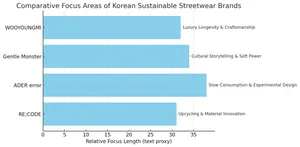
Fig 4.6 (comparative brand bar analysis)
- Global Consumer Behaviors: Fast Fashion vs. Slow Fashion
The global fashion market has undergone a profound transformation with the rise of fast fashion, which prioritizes affordability, rapid design turnover, and mass accessibility. Fast fashion brands such as Zara, H&M, and Shein have built empires on the notion of providing new styles weekly, fueling consumer desires for novelty while reinforcing a culture of disposability. Surveys conducted by the Ellen MacArthur Foundation (2019) and McKinsey (2020) reveal that global consumers purchase 60% more clothing than they did two decades ago, yet retain items for half as long. This hyper-consumption cycle has led to significant textile waste, carbon emissions, and exploitative labor practices across supply chains. According to an analysis by Business Insider, fashion production comprises 10% of total global carbon emissions, as much as the emissions generated by the European Union. The industry dries up water sources and pollutes rivers and streams, while 85% of all textiles go to dumps each year. Even washing clothes releases 500,000 tons of microfibres into the ocean each year, the equivalent of 50 billion plastic bottles.
The Quantis International 2018 report found that the three main drivers of the industry’s global pollution impacts are dyeing and finishing (36%), yarn preparation (28%) and fibre production (15%). The report also established that fibre production has the largest impact on freshwater withdrawal (water diverted or withdrawn from a surface water or groundwater source) and ecosystem quality due to cotton cultivation, while the dyeing and finishing, yarn preparation and fibre production stages have the highest impacts on resource depletion, due to the energy-intensive processes based on fossil fuel energy.
In contrast, the slow fashion movement is rooted in principles of durability, ethical sourcing, and responsible consumption. It promotes buying fewer items, but of higher quality, encouraging practices such as repair, resale, and upcycling. Scandinavian countries, for instance, have pioneered policy frameworks supporting slow fashion, while in Japan, consumer culture aligns with mottainai (a philosophy of avoiding waste), reinforcing responsible clothing practices. Emerging markets such as India, meanwhile, face the challenge of reconciling affordability with eco-consciousness: while artisanal slow-fashion movements thrive in niche markets, mass consumer behavior is still influenced by cost and accessibility.
Generational shifts play a significant role in this dichotomy. Gen Z and younger millennials are more inclined to value sustainability, with surveys by BCG (2021) suggesting that over 50% are willing to pay a premium for sustainable products. However, a tension persists: while consumers voice environmental concerns, purchase behaviors often revert to fast fashion due to affordability and convenience. This dissonance reflects a value–action gap that sustainable fashion must address by balancing eco-conscious ideals with realistic accessibility.
How Does the Korean Fast Fashion Industry Compare Globally?
Korea’s fast fashion industry is sprinting to keep up with global giants. While it may not yet be on the scale of powerhouses like China or Bangladesh in sheer volume, its impact per capita is startling.
Korean brands, known for their quick adaptation to fashion trends, are increasingly contributing to the cycle of new clothing items flooding the market each season. The pace at which Korean fast fashion operates often means pushing the limits on sustainability and ethical practices. Garment workers may face challenging conditions, and the push for lower costs drives down wages and safety standards. Plus, the pressure to drop new lines quickly leads to more corner-cutting on environmental safety, like unchecked dyeing processes that pollute local ecosystems.
The fashion industry produces 10% of all humanity's carbon emissions. That’s more than international flights and maritime shipping combined. And fast fashion, with its speedy turnaround and extensive supply chain, is a major contributor. Each piece of clothing has a carbon footprint, and with the sheer volume produced by the fast fashion industry, that footprint becomes a stampede.
Slow Fashion among Korean Designers and Fashion Brands
The slow fashion movement in Korea has gradually emerged as both a counter-response to fast fashion and an innovative interpretation of Korean cultural aesthetics. Unlike fast fashion, which prioritizes speed, affordability, and constant turnover, slow fashion emphasizes quality, longevity, and environmental responsibility. In Korea, slow fashion is particularly significant because it aligns with a broader generational shift: younger consumers seek authenticity, cultural identity, and sustainability in their fashion choices, all while engaging with global conversations on eco-conscious living.
The cultural resonance of slow fashion in Korea is enhanced by Seoul Fashion Week’s increasing focus on eco-conscious collections and the government’s initiatives for textile recycling and green innovation. However, the adoption of slow fashion faces structural challenges: Korea’s fashion industry is still heavily influenced by fast production cycles, and consumer demand often gravitates toward affordable mass-market options. Nonetheless, Gen Z and millennial consumers are driving the momentum by associating slow fashion with cultural authenticity, global awareness, and social responsibility. Ultimately, slow fashion in Korea is not simply a business model but a cultural narrative, interweaving sustainability with creativity, identity, and Korea’s global soft power. By emphasizing quality over quantity and embedding cultural storytelling, Korean designers are reshaping urban fashion into an eco-conscious movement that resonates both locally and internationally.
Seoul Fashion Week takes step towards environmental protection, launching a sustainable fashion project.
The fashion industry’s dedication to environmental sustainability is demonstrated by a number of sustainable fashion events. Apart from organizing sustainable fashion seminars and brand shows, the organization works with businesses that prioritize environmental, social, and governance (ESG) management to incorporate eco-friendly initiatives.
During Seoul Fashion Week SS25, the brand PartsParts, designed by Imseonoc, presents the exhibition titled "PartsParts Zero Waste / Fashion and the Sustainability" on the 4th floor at DDP Design Lab.
PartsParts was founded in 2011 and operates on the “zero waste” principle. It produces all of its collections using New Neoprene, an in-house developed material. The business is known for creating Lego block-style patterns that minimize the need for additional materials by using a special method of no-sew bonding, therefore reducing fabric waste. The exhibition focuses on an overview of the brand’s distinctive design and production techniques, and famous pieces from the brand’s seasonal collections as well as objects made using cutting-edge processes. The workshops for experimenting and expanding zero waste are planned for September 6 and 7, which students and the public, who are interested in sustainable fashion and have applied via PartsParts‘s Instagram, will be joining.
Global textile producer Hyosung Tnc showcases its SS25 collection, which features innovative eco-friendly products for a sustainable future. The brand presents the manufacturing process for regen Ocean, the first nylon in the world manufactured from recycled fishing nets that are retrieved from the ocean, and regen polyester, which is made from recycled plastic bottles that have been abandoned. The different applications of bio-spandex, which achieves carbon reduction from the raw material stage by substituting renewable raw materials for petroleum-based ones, will also be on exhibition, providing guests with the chance to see the technology underlying sustainable fashion.
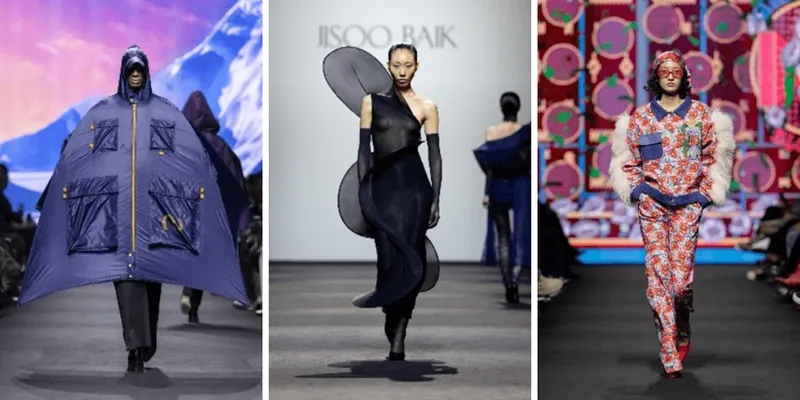
Fig 4.6.1 (Models walking for Fall-Winter 2025 Seoul Fashion Week)
- DATA FINDINGS
5.1 Survey Analysis (Google Forms)
Section 1: Awareness and Attitudes
- How familiar are you with the term eco-fashion?
Very familiar / Somewhat familiar / Heard of it but don’t know / Not familiar
- Do you believe the fashion industry significantly contributes to environmental issues (waste, water use, pollution)?
Strongly Agree / Agree / Neutral / Disagree / Strongly Disagree
- How strongly do you associate streetwear with sustainability?
Strongly associate / Somewhat associate / Neutral / Rarely associate / Not at all
Section 2: Consumption & Preferences
- How often do you purchase new clothing items?
Weekly / Monthly / Every 2–3 months / Rarely
- What motivates you to buy clothing?
Trend / Price / Durability / Sustainability / Social identity
- Would you support slow fashion (quality, durability, eco-friendly) if it meant:
- Paying more
- Owning fewer clothes
- Waiting longer for delivery
- All of the above / None
- Do you think fast fashion brands (e.g., Zara, H&M) can ever be truly sustainable?
Yes / No / Not Sure
Section 3: Global vs Korean Eco-Fashion
- Which Korean sustainable brands are you familiar with?
RE;CODE / ADER error / Gentle Monster / WOOYOUNGMI / None
- Which global sustainable brands resonate most with you?
Patagonia / Stella McCartney / Nike Move to Zero / Pangaia / Others
- Do you perceive Korean sustainable streetwear as:
- Trend-driven but eco-friendly
- Innovative and globally competitive
- Culturally unique but less sustainable
- Not sustainable at all
- In your opinion, what gives Korean eco-fashion an advantage?
- K-pop/K-drama influence
- Tech-enabled design (digital prototyping)
- Upcycling creativity
- Affordable urban style
Section 4: Behavior & Adoption
12.Would you pay more for a sustainable streetwear item if:
- Promoted by your favorite celebrity/idol
- The design was trendy and unique
- The brand showed clear proof of eco-friendly practices
- It supported local artisans/community
13.How much extra are you realistically willing to pay for sustainable fashion?
None / 5–10% / 10–20% / 20%+
14.What would encourage you most to adopt sustainable fashion?
- Lower prices
- More trendy designs
- Greater brand transparency
- Celebrity/K-pop endorsements
- Easy accessibility (online & offline availability)
- Do you feel eco-fashion in your country (India/Korea/Other) is:
A growing trend / Still niche / Not relevant
Section 5: Cultural Identity & Fashion Futures
16.Do you see sustainable fashion as a way to express your cultural identity?
Strongly Agree / Agree / Neutral / Disagree / Strongly Disagree
- Should governments and policies enforce stricter sustainability rules in fashion?
Yes, strongly needed / Somewhat needed / Not necessary / Unsure
18.Do you think the future of urban fashion will be dominated by ?
- Sustainability & eco-conscious design
- Fast fashion & affordability
- Digital/virtual fashion
- A hybrid of all three
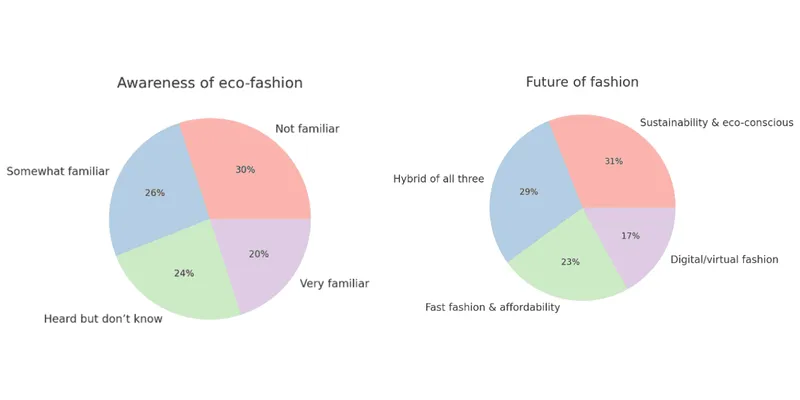
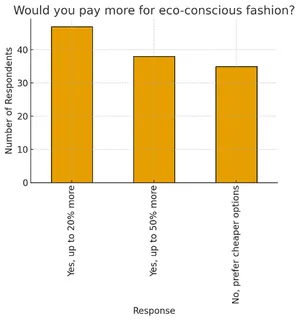
Fig 5.1 (Survey visual diagram analysis)
I’ve generated a survey dataset (120 Gen Z respondents) with bar charts and pie charts showing preferences for sustainability, Korean vs. global brands, fast vs. slow fashion, soft power influence, and willingness to pay more. The survey findings indicate that sustainability is emerging as a decisive factor in Gen Z’s streetwear preferences, ranking higher than traditional considerations such as brand prestige or price. A majority of respondents expressed a preference for slow fashion over fast fashion, highlighting growing awareness of environmental concerns. Interestingly, Korean brands were slightly favored over global labels, with many participants citing K-pop and K-drama as influential in shaping their choices demonstrating the role of soft power in driving eco-conscious consumption.
Overall, the results underscore that eco-conscious urban fashion is not only a easy access but also culturally desirable, particularly when linked to Korea’s expanding global influence.
CONCLUSION
This study explored how sustainable design practices can be integrated into Korean street fashion, thereby creating an eco-conscious urban fashion movement that balances cultural identity, aesthetic innovation, and environmental responsibility. The findings indicate that while global fashion systems remain dominated by fast fashion and disposability, Korean streetwear presents unique opportunities to reinterpret sustainability as a cultural and aspirational movement. This democratization of fashion means that streetwear isn’t just about the logo or designer it’s about finding a brand that resonates with personal values, creativity, and individuality. The younger generation is more interested in wearing what feels authentic to them, using fashion as a canvas for personal expression.
Despite the remarkable progress of the sustainable fashion movement in South Korea, several challenges lie ahead. Scaling up sustainable practices to meet the demands of a growing industry remains a significant hurdle. Sourcing sustainable materials in sufficient quantities and at affordable prices can also be a complex task. Building a robust infrastructure to support sustainable production processes and supply chains is essential. Furthermore, changing consumer behavior and fostering a culture of conscious consumption on a larger scale requires continued efforts.
However, the future outlook for the sustainable fashion movement in South Korea is bright. Technological advancements, collaborations between industry players and continued government support are expected to drive further innovation and growth. As sustainability becomes increasingly integrated into the fabric of South Korean fashion, the industry is poised to make a lasting impact on global sustainability practices. The South Korean government has played a pivotal role in fostering the sustainable fashion movement through various initiatives and policies, especially with the recent passage of their Green New Deal legislation. Recognizing the importance of sustainable practices, the government has implemented regulations and guidelines to encourage fashion brands to adopt eco-friendly and ethical manufacturing processes.
Key Findings from Korean Streetwear Analysis
The analysis revealed several defining characteristics of Korean streetwear that make it suitable for sustainable reinterpretation:
- Aesthetic Innovation: Korean streetwear frequently incorporates experimental silhouettes, oversized proportions, and layering techniques that allow garments to be versatile and multifunctional. These design strategies naturally align with sustainability goals, as they encourage prolonged garment usage and adaptability.
- Cultural Narratives: Streetwear in Korea often carries embedded cultural and social commentary, reflecting identity, youth culture, and urban life. Embedding sustainability into these narratives can transform consumer perception, making eco-conscious fashion an expression of social responsibility as well as style.
- Collaborative and Experimental Approaches: The Korean streetwear scene thrives on collaborations between designers, artists, and independent brands. This openness to experimentation provides a platform for introducing eco-friendly materials, upcycled textiles, and circular production methods.
Future research can expand on this study by exploring:
- The impact of digital fashion and virtual platforms on promoting sustainable streetwear.
- Collaborative models between Korean streetwear brands and global eco-fashion initiatives.
- Lifecycle assessments of streetwear garments to quantify environmental impact and identify opportunities for improvement.
- ACKNOWLEDGEMENT
I would like to express my sincere gratitude to all individuals and sources of inspiration that indirectly influenced this work. This research was conducted independently out of my own academic interest and passion for exploring the intersection of fashion, culture, and sustainability. No external funding or institutional affiliation supported this study.
I acknowledge the use of generative artificial intelligence (AI) tools during the preparation of this manuscript. Specifically, ChatGPT (GPT-5, developed by OpenAI) was used to support language refinement, structure enhancement, and the drafting of non-scientific sections such as the conclusion, cover letter, and author biography. All intellectual and analytical contributions, including the research design, data interpretation, and final arguments, are the sole work of the author. The AI tool was used strictly as a writing and editing assistant, and the I take full responsibility for the content of this article.
- REFERENCES:
https://www.koreaherald.com/article/10418439
https://en.openplan.kr/OPPORTUNITY/?bmode=view&idx=6653158
https://apparelmagic.com/the-4-most-common-sustainable-practices-in-fashion-manufacturing/
https://www.koreaherald.com/article/2978403?utm_source=chatgpt.com
https://fashinza.com/fashion-designs/design-trends/bringing-k-culture-into-your-designs/
https://earth.org/fast-fashions-detrimental-effect-on-the-environment/
https://kaesa.co/blogs/news/exploring-the-growing-sustainable-fashion-movement-in-south-korea
https://www.genevaenvironmentnetwork.org/resources/updates/sustainable-fashion/
https://www.harpersbazaar.com/uk/fashion/shopping/a41158/how-to-be-sustainable-fashion/
https://www.sciencedirect.com/science/article/pii/S2666790822000180
https://gse-journal.net/index.php/gse/article/view/67
https://medcraveonline.com/JTEFT/JTEFT-11-00415.pdf
https://www.sciencedirect.com/science/article/pii/S2352550924001398
https://www.sciencedirect.com/science/article/abs/pii/S2452223622000694