RCI Study Reveals Hidden Methane Emissions in Oil & Gas
New RCI–nova-Institute analysis uncovers massive underreporting of methane emissions in fossil fuel supply chains.
A new study by the Renewable Carbon Initiative (RCI) and nova-Institute exposes significant underestimations of methane emissions in global oil and gas supply chains, redefining the carbon footprint gap between fossil-based and renewable materials.
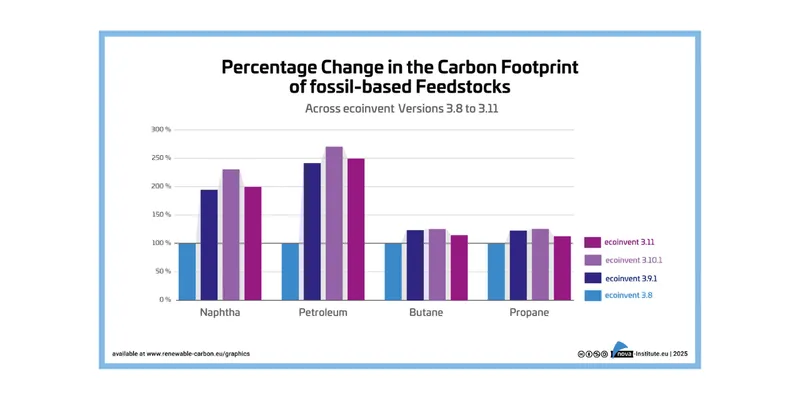
A recent study commissioned by the Renewable Carbon Initiative (RCI) and conducted by life cycle assessment experts at nova-Institute has uncovered that global methane emissions from crude oil and natural gas supply chains have been substantially underestimated. The analysis visualizes how updates to leading Life Cycle Inventory (LCI) databases — including ecoinvent versions 3.9 to 3.11 and Carbon Minds — now reflect a far greater environmental impact from fossil feedstocks, especially when compared to renewable carbon alternatives.
The new data, supported by advanced satellite observations of venting, flaring, and fugitive leaks, highlights major inconsistencies in methane emission reporting among global industry bodies. According to the study, methane emissions from oil production are now estimated to be 15 times higher in International Energy Agency (IEA) data than in figures published by the International Association of Oil & Gas Producers (IOGP). The gap is even more striking in regional data—10 times higher for Russia and an astonishing 40 times higher for Saudi Arabia. For natural gas production, the World Bank data indicates emissions that are up to 3.8 times higher than IOGP estimates in several major producing countries.
Rising Carbon Footprints in Fossil-Based Chemicals
These updated emission factors have led to a sharp increase in the calculated carbon footprint of fossil-based feedstocks and downstream petrochemical products. For example, the climate impact associated with naphtha, a primary feedstock for olefins, has increased nearly tenfold due to newly recognized methane emissions. Consequently, carbon footprints for naphtha have almost doubled, while ethylene and propylene footprints have grown by around 30%, and butadiene emissions have surged by 60–90% compared to previous life cycle data. As a result, plastics derived from these materials—such as polyethylene (PE), polypropylene (PP), and polyethylene terephthalate (PET)—now reflect 20–30% higher carbon footprints.
Renewable Carbon Shows a Stronger Climate Advantage
In contrast, the revised database figures underscore the superior environmental performance of renewable carbon-based materials. Using the latest ecoinvent data, recent case studies reveal that bio-based plastics now show 40–50% lower carbon footprints than fossil-based ones—a marked improvement over earlier estimates of 30%. When biogenic carbon uptake is factored in, these advantages become even more pronounced, further validating the shift toward renewable carbon solutions.
Policy and Industry Implications
The report calls on policymakers to swiftly integrate updated LCI data into climate strategies and sustainability assessments. It warns that continued reliance on outdated or inconsistent emission data could distort environmental impact comparisons and undermine EU climate legislation, including the Packaging and Packaging Waste Regulation (PPWR).
The study outlines several key recommendations, including:
- Regular updates to LCI databases to align with new scientific findings.
- Expansion of emission tracking to include sources such as abandoned oil and gas fields.
- Harmonisation of reporting standards across major databases (ecoinvent, Sphera, PlasticsEurope).
- Stronger policy support for renewable carbon solutions to help accelerate industrial defossilisation and meet global climate targets.
For more information, access the full report at:
renewable-carbon.eu/publications/product/increased-methane-emissions-in-crude-oil-and-natural-gas-supply-implications-for-the-carbon-footprint-of-petrochemicals-an-rci-report-pdf/
or contact christopher.vomberg@nova-institut.de.
Disclaimer:RCI members are a diverse group of companies addressing the challenges of the transition to renewable carbon with different approaches. The opinions expressed in these publications may not reflect the exact individual policies and views of all RCI members.
Also Read:
https://textilevaluechain.tempurl.host/news-insights/dyes-chemicals-news/rci-unveils-policy-roadmap-to-defossilise-europes-chemical-industry-and-drive-a-renewable-carbon-future https://textilevaluechain.tempurl.host/in-depth-analysis/sustainability-waste-management-recycling-upcycling/study-biomass-can-meet-chemical-industrys-carbon-demand