Precision in Technical Textiles: Quality Control Technologies Highlighted at Techtextil
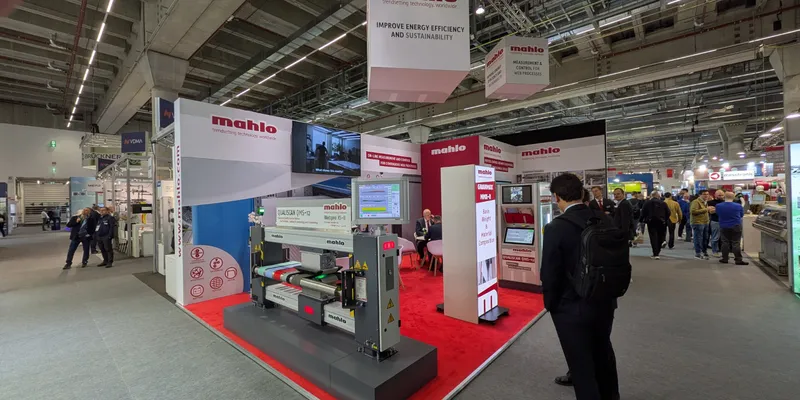
At Techtextil, industry participants presented solutions focused on maintaining precision and consistency in technical textile manufacturing. The event highlighted how multiple production parameters must be closely monitored to ensure performance and quality. Technologies for real-time control and process optimisation were a key focus.
The production process requires coordination between fibres, coatings, temperature, moisture, and tension. Maintaining consistency across these parameters is essential for ensuring product reliability. Monitoring systems play a central role in managing these processes and reducing variability.
In woven fabric applications, companies such as Frenzelit, Freudenberg, Friedola, Getzner, Juta, Sattler, Swisstulle, and Toray presented a range of materials used across industries. These applications require precise alignment during production, as even slight distortions can affect functionality. Systems such as Mahlo’s Orthopac are used to maintain alignment throughout processing stages.
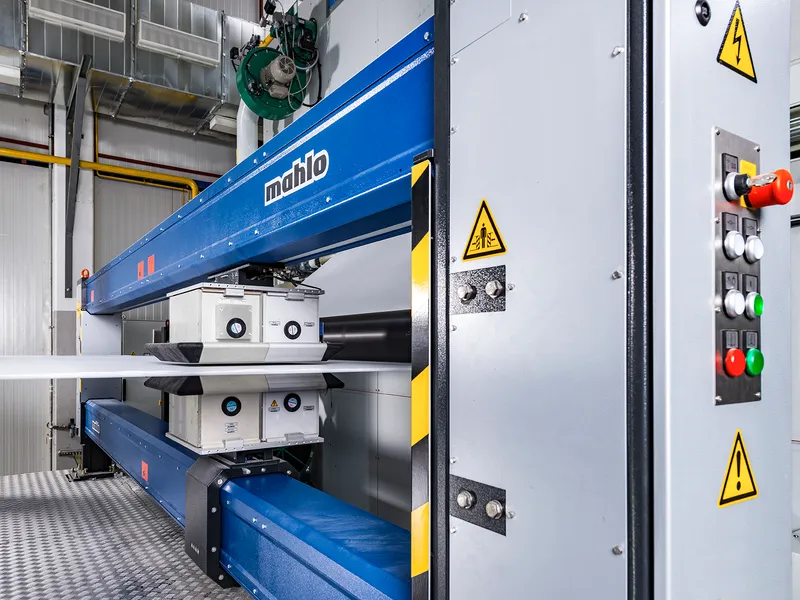
Nonwoven materials were also a key focus area. Exhibitors including Alkegen (Gutsche), Dyneema, Filz Fulda, Freudenberg, Johns Manville, Lenzing, Norafin, Polyvlies, Pont Aurell, Tenowo, and TWE presented products used in hygiene, automotive, filtration, and medical applications. In these materials, basis weight is a critical parameter. Systems such as Qualiscan QMS monitor basis weight continuously and enable immediate adjustments to maintain consistency during high-speed production.
Coating processes were another area of attention at the exhibition. Multi-layer materials and complex constructions require precise control to meet defined specifications. Monitoring technologies detect variations in coating thickness, allowing corrective action during production rather than after completion.
Moisture control was highlighted as a key factor in processes involving nonwovens, felts, and drying operations. Real-time measurement using infrared and microwave sensors supports process stability, energy efficiency, and product consistency. Temperature regulation is also essential for materials such as prepregs and thermally stabilised textiles. Systems including Optipac and Ecopac are used to maintain required temperature conditions during processing.
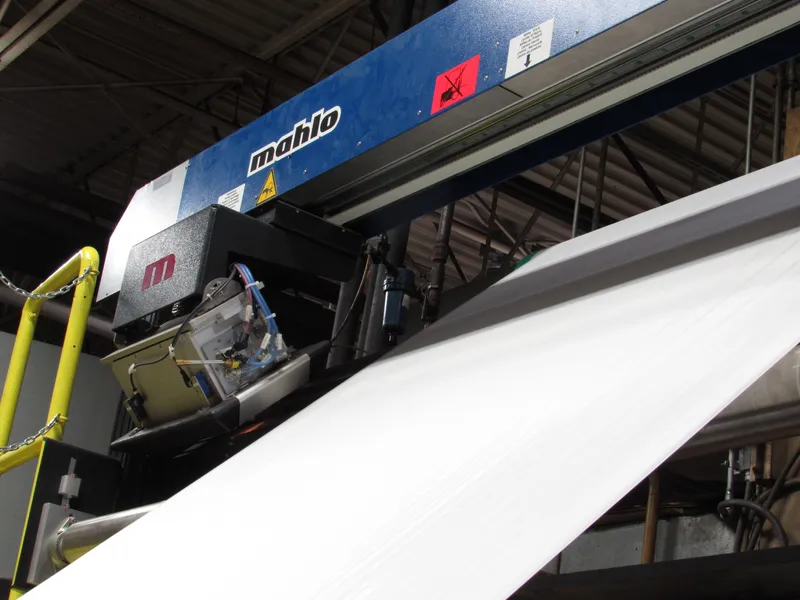
The exhibition demonstrated that technical textile production depends on accurate measurement and control of multiple variables. Integrated monitoring systems are used to support consistency and reduce production errors.
Mahlo GmbH + Co. KG develops measuring, control, and automation systems for the textile and finishing industry, as well as for coating, film, and paper sectors. The company is headquartered in Saal on the Danube in lower Bavaria and operates globally, with branch offices in Italy, Belgium, Spain, China, and the United States, supported by international agencies and service stations.